Mechanical Design Technology
Why Mechanical Design Technology?
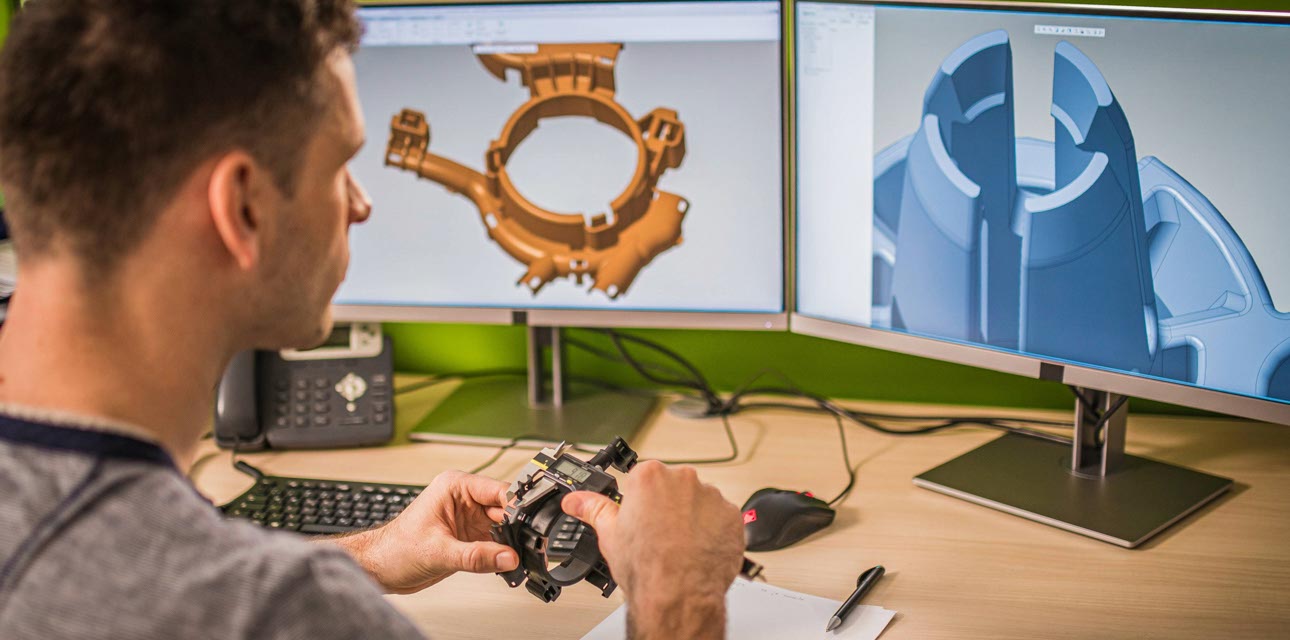
Mechanical designers turn ideas into reality by creating the blueprints and models that power modern manufacturing and engineering. In this program, you’ll learn to design, test, and improve mechanical systems using advanced computer-aided design (CAD) software and engineering principles. You’ll develop the problem-solving, teamwork, and technical skills needed to thrive in a high-demand and high-earning career field.
At Mid-State, you’ll train in the state-of-the-art Advanced Manufacturing, Engineering, Technology, and Apprenticeship (AMETA®) Center. With hands-on experience, internship opportunities, and input from local manufacturers, you’ll graduate ready to step into the workforce or continue your education through transfer options like UW-Stout’s BS in Engineering Technology.
Program Facts
Program Outcomes
Graduates leave ready to succeed in their careers. Each year, data from Mid-State's Graduate Survey and statewide reports show consistently high satisfaction and strong starting salaries. Here's a snapshot of what success looks like after graduation.
Career Opportunities
Program Details
Take a closer look at what the program offers and what to expect.
Following is the list of courses within the program. Your course plan may vary, and you'll get a recommended sequence once you're enrolled. See the program information guide below for full course details or talk with your advisor.
Program Information Guide (PDF)
Full-Time Curriculum (63-64 Total Credits)
Credit for Prior Learning (CPL) options are available for some courses.
Term 1: (16 Credits)
Course Number | Course Name | CPL | Credits |
|---|---|---|---|
10420101 | No | 2 | |
10606163 | No | 2 | |
10606164 | No | 2 | |
10623106 | Yes | 1 | |
10623114 | Yes | 1 | |
10801136 | Yes | 3 | |
10804118 | Yes | 4 | |
10890102 | Yes | 1 |
Term 2: (16 Credits)
Course Number | Course Name | CPL | Credits |
|---|---|---|---|
10457119 | No | 1 | |
10457120 | No | 1 | |
10606165 | No | 1 | |
10606114 | No | 2 | |
10606131 | No | 3 | |
10606145 | No | 2 | |
10804196 | No | 3 | |
10809166 or 10809172 | Introduction to Ethics: Theory & Application or Introduction to Diversity Studies | Yes | 3 |
Term 3: (17-18)
Course Number | Course Name | CPL | Credits |
|---|---|---|---|
10606115 | No | 3 | |
10606117 | No | 3 | |
10606119 | No | 3 | |
10623176 | No | 1 | |
10607106 | No | 1 | |
10801198 or 10801196 | Yes | 3 | |
10806143 or 10806154 | No or Yes | 3 or 4 |
Term 4: (14 Credits)
Course Number | Course Name | CPL | Credits |
|---|---|---|---|
10462120 | No | 3 | |
10606113 | No | 2 | |
10606166 | No | 1 | |
10623171 | No | 3 | |
10809198 or 10809188 | Yes | 3 | |
32420325 | No | 2 |
Meet our full-time instructors.
Jacob Denny, BS
Jacob holds a bachelor of science in mechanical engineering technology from Michigan Technological University. He comes to Mid-State with five years of experience as a design engineer for Gamber-Johnson. He stays current in the mechanical design field by continuing to do design work and through professional development. He also maintains strong industry connections.
“Teaching at Mid-State allows me to blend my industry experience with my passion for mentoring. It’s exciting to see students apply what they learn in the classroom to solve real-world problems.”
Employers will expect graduates of this program to be able to:
- Prepare detail and assembly drawings of mechanical components and products.
- Analyze mechanical engineering problems.
- Design mechanical components, products, and systems.
- Create CAD (computer-aided design) geometry, parts, and assemblies.
Alongside your career training, you'll develop key workplace strengths. Explore the additional skills you'll build.
To succeed in this program, you'll need to meet certain technical standards. These are the key skills and abilities needed for the program and future career success—with or without reasonable accommodations. Be sure to review them carefully before you apply.





Explore Other Options
Other Programs
Explore more Mid-State programs and find your path to success.

Workforce Training
Not ready for a full degree? Learn job-ready skills with our workforce training options.

Continuing Education
Add a new skill, explore a hobby, or take the next step in your career with our lifelong learning options.