Early Childhood Professional

Technical Degree

Why Early Childhood Professional?

Early childhood professionals play an essential role in helping young children grow, explore, and succeed. In this program, you will learn to support development through creative activities in music, movement, art, and social studies—all guided by the Wisconsin Model Early Learning Standards. You will gain the practical knowledge and experience needed to meet licensing requirements and begin your career in early childhood education.

At Mid-State, you’ll learn from caring, experienced faculty who emphasize hands-on learning in preschool settings. This program seamlessly transfers into the Early Childhood Education associate degree—with additional options to continue toward a bachelor’s degree.

Program Facts

Total Credits
28 Credits
Degree Type
Technical Degree
Program Length
One Year
Estimated Program Cost
$4,949.55
Financial Aid Eligibility
Fully Eligible

Program Outcomes

Graduates leave ready to succeed in their careers. Each year, data from Mid-State's Graduate Survey and statewide reports show consistently high satisfaction and strong starting salaries. Here's a snapshot of what success looks like after graduation.

Career Opportunities

Child Care Center Teacher
Educational Assistant
Head Start Assistant Teacher
Special Education Assistant
$35,273
Median Annual Salary
Recent program grads in Wisconsin earned a starting salary of $35,273. Source: Lightcast Data Set
3,298
Average Monthly Hires
3,298 of recent Wisconsin program grads landed jobs within six months of graduation. Source: Lightcast Data Set

Program Details

Take a closer look at what the program offers and what to expect.

Following is the list of courses within the program. Your course plan may vary, and you'll get a recommended sequence once you're enrolled. See the program information guide below for full course details or talk with your advisor.

Program Information Guide (PDF)

Full-Time Curriculum (28 Total Credits)

Credit for Prior Learning (CPL) options are available for some courses.

Term 1: (16 Credits)

Course Number

Course Name

CPL

Credits

10307110

ECE: Soc S, Art & Music

No

3

10307151

ECE: Infant and Toddler Development

Yes

3

10307160

ECE: Field Experience 1

Yes

3

10307167

ECE: Health, Safety, and Nutrition

Yes

3

10307187

ECE: Children with Differing Abilities

Yes

3

10890102

GPS for Student Success

Yes

1

Term 2: (12 Credits)

Course Number

Course Name

CPL

Credits

10307179

ECE: Child Development

Yes

3

10307188

ECE: Guiding Child Behavior

Yes

3

10307195

ECE: Family and Community Relationships

No

3

10801136

English Composition 1

Yes

3

Meet our full-time instructors.

Jill Przekurat, BS, MA
Jill has a bachelor's in early childhood education from UW–Stevens Point and a master's in education from Saint Mary's University of Minnesota. She has taught 4K, kindergarten, and first grade and holds a Wisconsin DPI teaching license. A Wisconsin Pyramid Model Trainer, she is passionate about supporting educators, mentoring new teachers, and encouraging lifelong learning, believing that play and positive early experiences build the foundation for success. 

Employers will expect graduates of this program to be able to:

  • Cultivate relationships with children, families, and the community. 
  • Demonstrate professionalism. 
  • Integrate health, safety, and nutrition practices.

Alongside your career training, you'll develop key workplace strengths. Explore the additional skills you'll build.

Employability Skills (PDF)

To succeed in this program, you'll need to meet certain technical standards. These are the key skills and abilities needed for the program and future career success—with or without reasonable accommodations. Be sure to review them carefully before you apply.

Technical Standards (PDF)

Explore the resources and next steps below. Your academic advisor will help you know what to complete and when.

Criminal Background Form

Career Pathways

Career pathways help you build your education step by step. Each stage offers one or more credentials that are recognized by employers and lead to real jobs—and you can keep building toward your career goals as you go.

Prior Learning

Certificate

Technical Degree

Associate Degree

Bachelor's Degree

Get credit for what you already know. You may be able to earn college credit for prior learning through skills you’ve gained through high school classes, previous college work, self-study, military training, jobs, or volunteer experience.

  1. Credit for Prior Learning
  2. High School Dual Credit
  3. Mid-State Fast-Track – Open to high school students (age requirements apply)

Explore Other Options

Other Programs

Explore more Mid-State programs and find your path to success.

Workforce Training

Not ready for a full degree? Learn job-ready skills with our workforce training options.

Continuing Education

Add a new skill, explore a hobby, or take the next step in your career with our lifelong learning options.

Sales Specialist

Technical Degree

Why Sales Specialist?

Sales professionals play a critical role in helping organizations grow by connecting people with the right products and services. In this program, you’ll learn how to approach sales as a consultative process—listening to customer needs, understanding value, and recommending solutions that fit both goals and budgets. Today’s sales careers demand professionalism, adaptability, and strong relationship-building skills, all of which are developed here.

At Mid-State, you’ll gain hands-on experience through role-playing, client simulations, and digital communication strategies. The curriculum emphasizes modern sales techniques, including social media and presentation skills, while building a strong foundation in marketing, problem solving, and professional communication. Graduates are prepared to succeed in sales roles across a wide range of industries and markets.

Program Facts

Total Credits
19 Credits
Degree Type
Technical Degree
Program Length
Less Than One Year
Estimated Program Cost
$3,367.50
Financial Aid Eligibility
Partially Eligible

Program Outcomes

Graduates leave ready to succeed in their careers. Each year, data from Mid-State's Graduate Survey and statewide reports show consistently high satisfaction and strong starting salaries. Here's a snapshot of what success looks like after graduation.

Career Opportunities

Account Executive
Field Sales Representative
Inside Sales Representative
Sales Consultant
Sales Manager
$64,270
Median Annual Salary
Recent program grads in Wisconsin earned a starting salary of $64,270. Source: Lightcast Data Set
915
Average Monthly Hires
915 of recent Wisconsin program grads landed jobs within six months of graduation. Source: Lightcast Data Set
100%
Mid-State Graduate Satisfaction Rate
Students leave proud, prepared, and confident in what comes next. Source: Mid-State Graduate Survey Results

Program Details

Take a closer look at what the program offers and what to expect.

Following is the list of courses within the program. Your course plan may vary, and you'll get a recommended sequence once you're enrolled. See the program information guide below for full course details or talk with your advisor.

Program Information Guide (PDF)

Part-Time Curriculum (19 Total Credits)

Credit for Prior Learning (CPL) options are available for some courses.

Term 1: (10 Credits)

Course Number

Course Name

CPL

Credits

10104102

Marketing Principles

Yes

3

10801136

English Composition 1

Yes

3

10801198

Speech

Yes

3

10890102

GPS for Student Success

Yes

1

Term 2: (9 Credits)

Course Number

Course Name

CPL

Credits

10104105

Professional Selling

Yes

3

10104107

Social Media Marketing

No

3

10104121

Fundamentals of Marketing Communications

Yes

3

Meet our full-time instructors.

Debra Wallner, BS, MBA
Debra’s teaching in the digital marketing field has allowed her to work with a wide variety of businesses, people, and marketing situations. She has previously held positions in the fields of advertising, sales, marketing research, and human resources–compensation. She holds an MBA from UW–Oshkosh.

“I believe that learning should be as close to real life as we can make it. Creating real-life opportunities for our students by partnering with local businesses produces graduates who come to employers with the knowledge, skills, and abilities necessary to perform that job.”

Employers will expect graduates of this program to be able to:

  • Develop marketing strategies.
  • Develop selling strategies.
  • Deliver sales presentations.
  • Apply customer relationship building strategies.
  • Analyze sales information. 
  • Prepare selling strategies.
  • Promote products, services, images and/or ideas to achieve a desired result.

Alongside your career training, you'll develop key workplace strengths. Explore the additional skills you'll build.

Employability Skills (PDF)

To succeed in this program, you'll need to meet certain technical standards. These are the key skills and abilities needed for the program and future career success—with or without reasonable accommodations. Be sure to review them carefully before you apply.

Technical Standards (PDF)

Career Pathways

Career pathways help you build your education step by step. Each stage offers one or more credentials that are recognized by employers and lead to real jobs—and you can keep building toward your career goals as you go.

Prior Learning

Certificate

Technical Degree

Associate Degree

Bachelor's Degree

Get credit for what you already know. You may be able to earn college credit for prior learning through skills you’ve gained through high school classes, previous college work, self-study, military training, jobs, or volunteer experience.

  1. Credit for Prior Learning
  2. High School Dual Credit
  3. Mid-State Fast-Track – Open to high school students

Explore Other Options

Other Programs

Explore more Mid-State programs and find your path to success.

Workforce Training

Not ready for a full degree? Learn job-ready skills with our workforce training options.

Continuing Education

Add a new skill, explore a hobby, or take the next step in your career with our lifelong learning options.

Diesel & Heavy Equipment Technician

Technical Degree

Why Diesel & Heavy Equipment Technician?

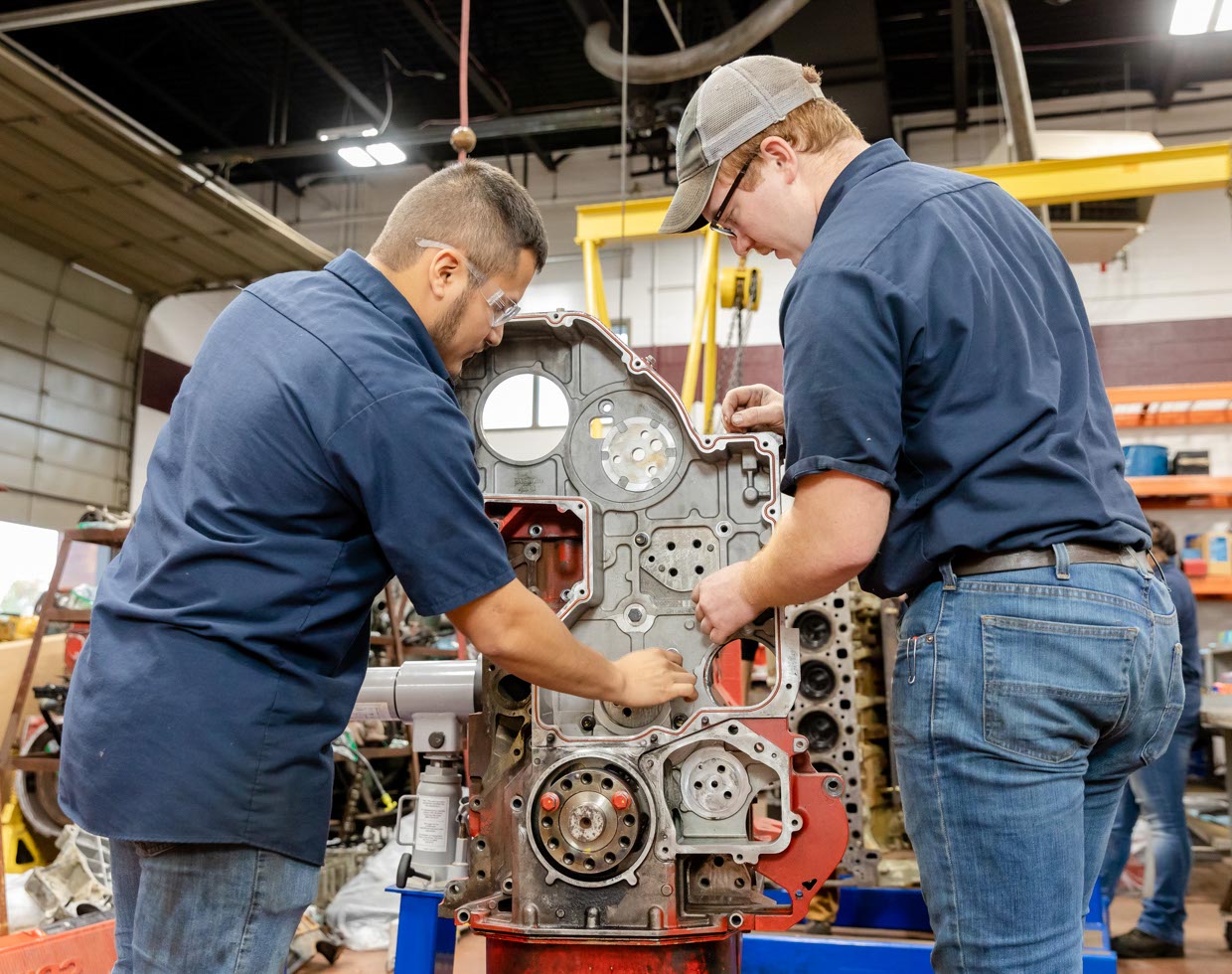
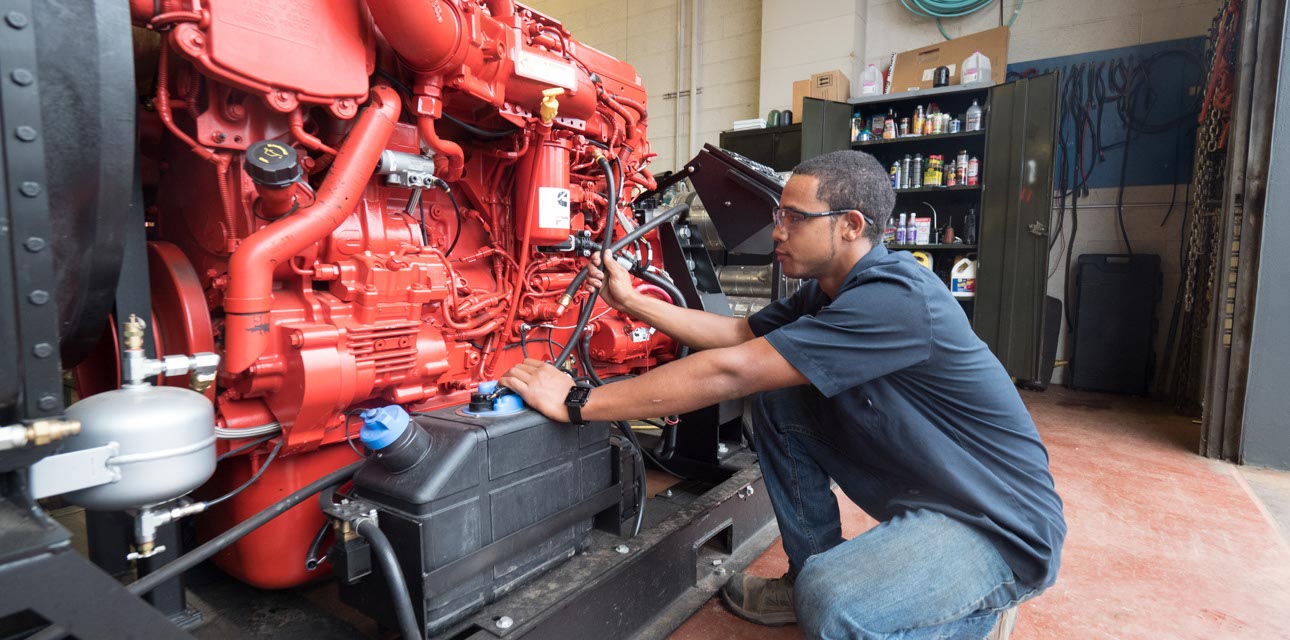
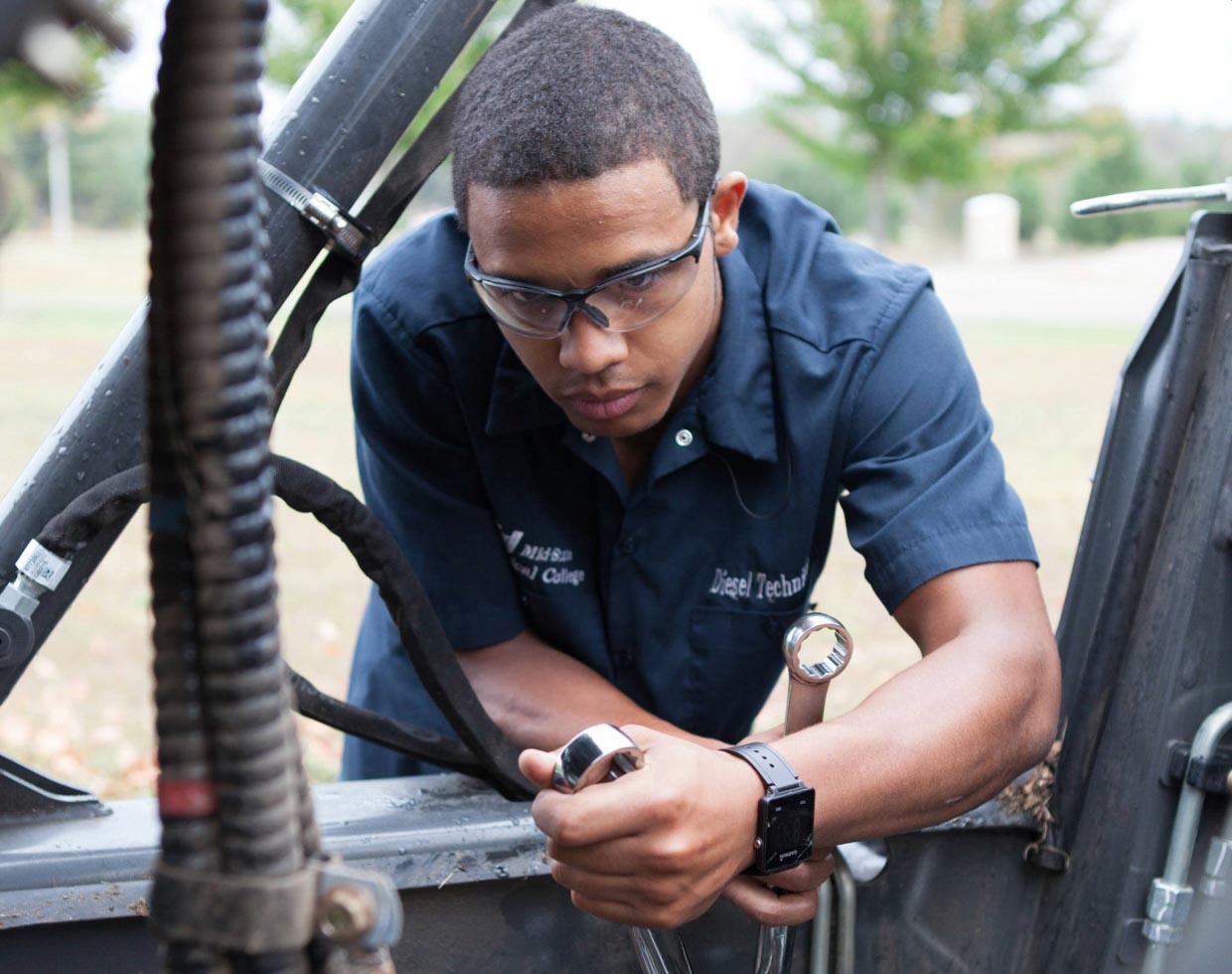
Diesel and heavy equipment technicians keep the engines of industry running—from trucks and buses to agricultural and construction equipment. In this program, you will learn to inspect, maintain, and repair diesel systems that power some of the most essential machines in our economy. You will develop the specialized skills needed to service advanced engines, hydraulics, and electronic control systems.

At Mid-State, you will train with ASE Master-certified instructors in modern facilities equipped with industry-standard tools and technology. You’ll graduate ready for high-demand positions in transportation, agriculture, and construction—where most students secure employment before graduation.

Program Facts

Total Credits
59 Credits
Degree Type
Technical Degree
Program Length
Two Years
Estimated Program Cost
$12,174.56
Financial Aid Eligibility
Fully Eligible

Program Outcomes

Graduates leave ready to succeed in their careers. Each year, data from Mid-State's Graduate Survey and statewide reports show consistently high satisfaction and strong starting salaries. Here's a snapshot of what success looks like after graduation.

Career Opportunities

Agriculture Equipment Technician
Bus and Truck Technician
Fleet Maintenance Technician
Heavy Equipment Technician
Over the Road Truck Technician
$59,579
Median Annual Salary
Recent program grads in Wisconsin earned a starting salary of $59,579. Source: Lightcast Data Set
447
Average Monthly Hires
447 of recent Wisconsin program grads landed jobs within six months of graduation. Source: Lightcast Data Set
100%
Mid-State Graduate Satisfaction Rate
Students leave proud, prepared, and confident in what comes next. Source: Mid-State Graduate Survey Results

Program Details

Take a closer look at what the program offers and what to expect.

Following is the list of courses within the program. Your course plan may vary, and you'll get a recommended sequence once you're enrolled. See the program information guide below for full course details or talk with your advisor.

Program Information Guide (PDF)

Full-Time Curriculum (59 Total Credits)

Credit for Prior Learning (CPL) options are available for some courses.

Term 1: (16 Credits)

Course Number

Course Name

CPL

Credits

10457119

Fabrication Fundamentals 1

No

1

31442320

Welding Foundations 1

Yes

1

31442321

Welding Foundations 2

No

1

32412308

Braking Systems-Diesel

No

5

32412309

Suspension & Steering Systems

No

5

32412340

Intro to Electricity for the Diesel Industry

Yes

1

32412375

Service Practices in Diesel Industry

Yes

1

10890102

GPS for Student Success

Yes

1

Term 2: (14 Credits)

Course Number

Course Name

CPL

Credits

31801368

Workplace Communication

Yes

1

32412305

Preventative Maintenance-Diesel

No

3

32412312

Drivetrains

No

4

32412313

Electrical Systems

No

4

32462302

Mobile Hydraulics

No

2

Term 3: (15 Credits)

Course Number

Course Name

CPL

Credits

31804305

Applied Mathematics

No

2

32412303

Heating/AC-Diesel

Yes

3

32412324

Engine Repair

No

5

32412327

Fuel Systems & Alternative Fuels

No

5

Term 4: (14 Credits)

Course Number

Course Name

CPL

Credits

32412310

Engine Performance & Emissions-Diesel

No

5

32412311

Advanced Electricity-Diesel

No

5

32412330

Capstone-Live Diesel Repair

No

2

32806351

Applied Science

No

2

Meet our full-time instructors.

Scott Engel, BS
After working in the transportation industry for several years, Scott realized his passion was to teach what he loved. He received his diesel and heavy equipment technician technical diploma from Western Technical College and a bachelor’s degree from the UW–Stout. Scott has taught for over 20 years in the diesel field and enjoys working with local industry and learning cutting-edge technology that he can incorporate into his program.

“My biggest reward as a teacher is to see my students thriving in their new careers, knowing I helped get them there.”

Chris Omerinik, BS
Chris earned his bachelor’s degree in career, technical education, and training from UW–Stout. He also holds an associate degree from Mid-State Technical College as well as a technical diploma in diesel and heavy equipment repair. He is an ASE master certified technician and a Hunter certified alignment technician. He has worked for over 20 years in the diesel and heavy truck industry and continues to work with truck OEMs, dealerships, and private shops in order to keep up to date on current technology used on heavy trucks as well as with industry needs for technicians.

“There is nothing better than the ‘aha’ moment with a student, that moment when a concept ‘clicks.’ I love that Mid-State’s environment creates those moments for students on a regular basis."

Employers will expect graduates of this program to be able to:

  • Diagnose major systems in the diesel and heavy equipment industry.
  • Repair major systems in the diesel and heavy equipment industry.
  • Service major systems in the diesel and heavy equipment industry.
  • Practice personal and professional work habits.
  • Document complaint, cause, and correction.

Alongside your career training, you'll develop key workplace strengths. Explore the additional skills you'll build.

Employability Skills (PDF)

To succeed in this program, you'll need to meet certain technical standards. These are the key skills and abilities needed for the program and future career success—with or without reasonable accommodations. Be sure to review them carefully before you apply.

Technical Standards (PDF)

Career Pathways

Career pathways help you build your education step by step. Each stage offers one or more credentials that are recognized by employers and lead to real jobs—and you can keep building toward your career goals as you go.

Prior Learning

Certificate

Technical Degree

Associate Degree

Bachelor's Degree

Get credit for what you already know. You may be able to earn college credit for prior learning through skills you’ve gained through high school classes, previous college work, self-study, military training, jobs, or volunteer experience.

  1. Credit for Prior Learning
  2. High School Dual Credit
  3. Mid-State Fast-Track – Open to high school students

Explore Other Options

Other Programs

Explore more Mid-State programs and find your path to success.

Workforce Training

Not ready for a full degree? Learn job-ready skills with our workforce training options.

Continuing Education

Add a new skill, explore a hobby, or take the next step in your career with our lifelong learning options.

Diesel & Heavy Equipment Technician Assistant

Technical Degree

Why Diesel & Heavy Equipment Technician Assistant?

Diesel and heavy equipment professionals keep essential industries moving by maintaining and repairing the powerful machines that drive agriculture, construction, and transportation. In this program, you will learn the foundational skills needed to service and maintain diesel engines and equipment while developing the mechanical knowledge employers rely on.

At Mid-State, you will train with ASE Master-certified instructors in a hands-on learning environment equipped with modern tools and technology. This one-year option is ideal for students who want to begin working in the field while continuing toward the full Diesel & Heavy Equipment Technician degree.

Program Facts

Total Credits
30 Credits
Degree Type
Technical Degree
Program Length
One Year
Estimated Program Cost
$6,346.06
Financial Aid Eligibility
Fully Eligible

Program Outcomes

Graduates leave ready to succeed in their careers. Each year, data from Mid-State's Graduate Survey and statewide reports show consistently high satisfaction and strong starting salaries. Here's a snapshot of what success looks like after graduation.

Career Opportunities

Diesel Parts Sales/Service
Light Maintenance Technician
Parts Associate
Undercarriage Technician
$59,579
Median Annual Salary
Recent program grads in Wisconsin earned a starting salary of $59,579. Source: Lightcast Data Set
447
Average Monthly Hires
447 of recent Wisconsin program grads landed jobs within six months of graduation. Source: Lightcast Data Set
100%
Mid-State Graduate Satisfaction Rate
Students leave proud, prepared, and confident in what comes next. Source: Mid-State Graduate Survey Results

Program Details

Take a closer look at what the program offers and what to expect.

Following is the list of courses within the program. Your course plan may vary, and you'll get a recommended sequence once you're enrolled. See the program information guide below for full course details or talk with your advisor.

Program Information Guide (PDF)

Full-Time Curriculum (30 Total Credits)

Credit for Prior Learning (CPL) options are available for some courses.

Term 1: (16 Credits)

Course Number

Course Name

CPL

Credits

10457119

Fabrication Fundamentals 1

No

1

31442320

Welding Foundations 1

Yes

1

31442321

Welding Foundations 2

No

1

32412308

Braking Systems-Diesel

No

5

32412309

Suspension & Steering Systems

No

5

32412340

Intro to Electricity for the Diesel Industry

Yes

1

32412375

Service Practices in Diesel Industry

Yes

1

10890102

GPS for Student Success

Yes

1

Term 2: (14 Credits)

Course Number

Course Name

CPL

Credits

31801368

Workplace Communication

Yes

1

32412305

Preventative Maintenance-Diesel

No

3

32412312

Drivetrains

No

4

32412313

Electrical Systems

No

4

32462302

Mobile Hydraulics

No

2

Meet our full-time instructors.

Scott Engel, BS
After working in the transportation industry for several years, Scott realized his passion was to teach what he loved. He received his diesel and heavy equipment technician technical diploma from Western Technical College and a bachelor’s degree from the UW–Stout. Scott has taught for over 20 years in the diesel field and enjoys working with local industry and learning cutting-edge technology that he can incorporate into his program.

“My biggest reward as a teacher is to see my students thriving in their new careers, knowing I helped get them there.”

Chris Omerinik, BS
Chris earned his bachelor’s degree in career, technical education, and training from UW–Stout. He also holds an associate degree from Mid-State Technical College as well as a technical diploma in diesel and heavy equipment repair. He is an ASE master certified technician and a Hunter certified alignment technician. He has worked for over 20 years in the diesel and heavy truck industry and continues to work with truck OEMs, dealerships, and private shops in order to keep up to date on current technology used on heavy trucks as well as with industry needs for technicians.

“There is nothing better than the ‘aha’ moment with a student, that moment when a concept ‘clicks.’ I love that Mid-State’s environment creates those moments for students on a regular basis."

Employers will expect graduates of this program to be able to:

  • Practice personal and professional work habits.
  • Perform basic maintenance for the diesel and heavy equipment industry.
  • Perform light repairs for the diesel and heavy equipment industry.
  • Perform fleet inspections for the diesel and heavy equipment industry.

Alongside your career training, you'll develop key workplace strengths. Explore the additional skills you'll build.

Employability Skills (PDF)

To succeed in this program, you'll need to meet certain technical standards. These are the key skills and abilities needed for the program and future career success—with or without reasonable accommodations. Be sure to review them carefully before you apply.

Technical Standards (PDF)

Career Pathways

Career pathways help you build your education step by step. Each stage offers one or more credentials that are recognized by employers and lead to real jobs—and you can keep building toward your career goals as you go.

Prior Learning

Certificate

Technical Degree

Associate Degree

Bachelor's Degree

Get credit for what you already know. You may be able to earn college credit for prior learning through skills you’ve gained through high school classes, previous college work, self-study, military training, jobs, or volunteer experience.

  1. Credit for Prior Learning
  2. High School Dual Credit
  3. Mid-State Fast-Track – Open to high school students

Explore Other Options

Other Programs

Explore more Mid-State programs and find your path to success.

Workforce Training

Not ready for a full degree? Learn job-ready skills with our workforce training options.

Continuing Education

Add a new skill, explore a hobby, or take the next step in your career with our lifelong learning options.

Dental Assistant

Technical Degree

Why Dental Assistant?

Dental assistants play a vital role in delivering quality oral care and creating a positive experience for every patient. In this program, you will learn to assist dentists during procedures, manage instruments and materials, and support the administrative and clinical needs of a busy dental office. You will develop the technical and interpersonal skills that make you an essential member of the dental care team.

At Mid-State, you’ll gain practical experience through hands-on training and clinical practice at one of our partner dental offices. This full-time program can be completed in just six months, preparing you for immediate employment in a growing healthcare field.

Program Facts

Total Credits
17 Credits
Degree Type
Technical Degree
Program Length
Less Than One Year
Estimated Program Cost
$3,977.86
Financial Aid Eligibility
Partially Eligible

Program Outcomes

Graduates leave ready to succeed in their careers. Each year, data from Mid-State's Graduate Survey and statewide reports show consistently high satisfaction and strong starting salaries. Here's a snapshot of what success looks like after graduation.

Career Opportunities

Dental Assistant
Dental Hygiene Assistant
Dental Lab Assistant
Orthodontic Assistant
$47,951
Median Annual Salary
Recent program grads in Wisconsin earned a starting salary of $47,951. Source: Lightcast Data Set
277
Average Monthly Hires
277 of recent Wisconsin program grads landed jobs within six months of graduation. Source: Lightcast Data Set

Program Details

Take a closer look at what the program offers and what to expect.

Following is the list of courses within the program. Your course plan may vary, and you'll get a recommended sequence once you're enrolled. See the program information guide below for full course details or talk with your advisor.

 Program Information Guide (PDF)

Full-Time Curriculum (17 Total Credits)

Credit for Prior Learning (CPL) options are available for some courses.

Term 1: (17 Credits)

Course Number

Course Name

CPL

Credits

31508301

Dental Health Safety

No

1

31508302

Dental Chairside

No

5

31508303

Dental Materials

No

2

31508304

Dental & General Anatomy

No

2

31508305

Applied Dental Radiography

No

2

31508306

Dental Assistant Clinical

No

3

31508307

Dental Assistant Professional

No

1

10890102

GPS for Student Success

Yes

1

Meet our full-time instructors.

Brenda Alberts, MEd, RDH, CDA, EFDA, AEMT
Brenda is a registered dental hygienist and certified dental assistant with a master of arts in education/teacher leadership from Silver Lake College. She also holds a bachelor of science in career and technical education and training from UW-Stout and an AAS in dental hygiene from Northeast Wisconsin Technical College (NWTC), as well as licensure and technical diplomas in EMT and advanced EMT. Her national certifications include CPR, local anesthesia, nitrous oxide, and standard proficiency laser. Brenda’s 20 years of dental experience include roles as a dental hygienist and assistant. She has previously taught in the dental hygiene and dental assisting programs at NWTC and Northcentral Technical College. She continues to practice dental hygiene during summer and winter breaks to stay current in the field.

“I love everything dental, and I love teaching at Mid-State! I am here to help students achieve their goals.”

Dayne Oertel, AAS, RDH
Dayne is a registered dental hygienist with an associate degree in dental hygiene from Northcentral Technical College. She holds certification in Basic Life Support, national CPR, license to administer local anesthesia, and license to administer nitrous oxide as well as WTCS Teaching Certification. A former Central Wisconsin co-liaison for the American Dental Hygiene Association, Dayne’s teaching draws on 34 years of dental experience. She has worked in clinical hygiene, office management, hygiene management, and education. Her teaching experience includes 16 years as an adjunct clinical instructor at Northcentral Technical College. Prior to joining Mid-State she was also a Central Wisconsin Professional Educator on behalf of WaterpikTM.

“I’m a proud lifelong learner with a passion for everything in the dental field. As a manager, I saw the need for this Dental Assistant program to meet the workforce needs in our rural communities, and I chose to teach at Mid-State to ensure we have enough clinicians in the dental community. I believe that my role as educator combines being a role model, mentoring, and providing coaching to inspire others to love this profession as much as I do.”

Employers will expect graduates of this program to be able to:

  • Perform a variety of entry-level supportive dental procedures.
  • Manage infection and hazard control. 
  • Produce diagnostic radiographs. 
  • Perform basic dental laboratory procedures. 
  • Demonstrate professional behaviors, ethics, and appearance.

Alongside your career training, you'll develop key workplace strengths. Explore the additional skills you'll build.

Employability Skills (PDF)

To succeed in this program, you'll need to meet certain technical standards. These are the key skills and abilities needed for the program and future career success—with or without reasonable accommodations. Be sure to review them carefully before you apply.

Technical Standards (PDF)

Explore the resources and next steps below. Your academic advisor will help you know what to complete and when.

Criminal Background Form

Career Pathways

Career pathways help you build your education step by step. Each stage offers one or more credentials that are recognized by employers and lead to real jobs—and you can keep building toward your career goals as you go.

Prior Learning

Certificate

Technical Degree

Associate Degree

Bachelor's Degree

Get credit for what you already know. You may be able to earn college credit for prior learning through skills you’ve gained through high school classes, previous college work, self-study, military training, jobs, or volunteer experience.

  1. Credit for Prior Learning
  2. High School Dual Credit
  3. Mid-State Fast-Track – Open to high school students

Explore Other Options

Other Programs

Explore more Mid-State programs and find your path to success.

Workforce Training

Not ready for a full degree? Learn job-ready skills with our workforce training options.

Continuing Education

Add a new skill, explore a hobby, or take the next step in your career with our lifelong learning options.

Culinary Production Line Cook

Technical Degree

Why Culinary Production Line Cook?

The culinary industry offers endless opportunities for creative individuals who take pride in their craft. In this program, you will learn the techniques and skills needed to prepare and present quality food in professional kitchens. You will gain experience in food preparation, sanitation, and kitchen operations while building the confidence to begin your career in this fast-growing field.

At Mid-State, you will train in the state-of-the-art culinary teaching kitchen and Gourmet Café learning lab restaurant. You’ll complete the Culinary Foundations certificate on your way to earning the Culinary Production Line Cook technical diploma, with the option to continue toward the Culinary Arts associate degree.

Program Facts

Total Credits
20 Credits
Degree Type
Technical Degree
Program Length
Less Than One Year
Estimated Program Cost
$5,672.04
Financial Aid Eligibility
Partially Eligible

Program Outcomes

Graduates leave ready to succeed in their careers. Each year, data from Mid-State's Graduate Survey and statewide reports show consistently high satisfaction and strong starting salaries. Here's a snapshot of what success looks like after graduation.

Career Opportunities

Food Service Specialist
Line Cook
Production Cook
Station Cook
Sous Chef
$36,678
Median Annual Salary
Recent program grads in Wisconsin earned a starting salary of $36,678. Source: Lightcast Data Set
2,890
Average Monthly Hires
2,890 of recent Wisconsin program grads landed jobs within six months of graduation. Source: Lightcast Data Set

Program Details

Take a closer look at what the program offers and what to expect.

Following is the list of courses within the program. Your course plan may vary, and you'll get a recommended sequence once you're enrolled. See the program information guide below for full course details or talk with your advisor.

Program Information Guide (PDF)

Full-Time Curriculum (20 Total Credits)

Credit for Prior Learning (CPL) options are available for some courses.

Term 1: (10 Credits)

Course Number

Course Name

CPL

Credits

10316112

Sanitation for Foodservice Operations

Yes

1

10316121

Food Science

No

2

10316125

Introduction to Food Production

No

3

10316146

Culinary Calculations

No

3

10890102

GPS for Student Success

Yes

1

Term 2: (10 Credits)

Course Number

Course Name

CPL

Credits

10316128

Introduction to Foodservice

No

3

10316129

Culinary Internship

No

2

10316130

Introduction to Baking

No

2

10316138

Garde Manager

No

3

Meet our full-time instructors.

Ryan Petrouske, AAS
Chef Ryan graduated Phi Theta Kappa with his culinary arts associate degree from Nicolet College. He holds certifications in culinary assistant, hospitality and restaurant management, controlling foodservice, and baking. Ryan has spent most of his working life in the restaurant industry, having progressed up the ranks in both kitchens and dining rooms to ultimately owning and running a successful restaurant in northern Wisconsin. He has a continued passion for the industry, which he is excited to instill in his students. Prior to teaching full-time for Mid-State he also taught part-time at Nicolet College.

“Knowledge is much like working in the hospitality industry—it doesn’t do us any good to hold it just for ourselves. Sharing our experience and talent with others makes the world a better place. This is my reward for being an educator. I not only get to share my knowledge but also get pushed to grow and learn from my students and other industry professionals. I am always pleased to see where our graduates end up after their training!”

Rich Neumann, MS, FMP
Rich earned his master of science in nutrition and food science from UW–Stevens Point. He is a ServSafe Certified Instructor and holds the Foodservice Management Professional (FMP) certification from the National Restaurant Association. Rich brings more than 41 years of collegiate dining experience, including 32 years at Ohio University. Before retiring in 2021, he served as director of culinary services, leading 16 dining operations and overseeing a $48 million budget. He also served as an adjunct professor in hospitality and co-authored a hospitality management textbook.

“I enjoy sharing my knowledge and passion for the food service industry and mentoring the future workforce.”
 

Employers will expect graduates of this program to be able to:

  • Apply principles of safety and sanitation in food service operations. 
  • Demonstrate culinary skills.
  • Manage food service operations. 
  • Plan menus.

Alongside your career training, you'll develop key workplace strengths. Explore the additional skills you'll build.

Employability Skills (PDF)

To succeed in this program, you'll need to meet certain technical standards. These are the key skills and abilities needed for the program and future career success—with or without reasonable accommodations. Be sure to review them carefully before you apply.

Technical Standards (PDF)

Career Pathways

Career pathways help you build your education step by step. Each stage offers one or more credentials that are recognized by employers and lead to real jobs—and you can keep building toward your career goals as you go.

Prior Learning

Certificate

Technical Degree

Associate Degree

Bachelor's Degree

Get credit for what you already know. You may be able to earn college credit for prior learning through skills you’ve gained through high school classes, previous college work, self-study, military training, jobs, or volunteer experience.

  1. Credit for Prior Learning
  2. High School Dual Credit
  3. Mid-State Fast-Track – Open to high school students

Explore Other Options

Other Programs

Explore more Mid-State programs and find your path to success.

Workforce Training

Not ready for a full degree? Learn job-ready skills with our workforce training options.

Continuing Education

Add a new skill, explore a hobby, or take the next step in your career with our lifelong learning options.

Criminal Justice-Law Enforcement 720 Academy

Technical Degree

Why Criminal Justice-Law Enforcement 720 Academy?

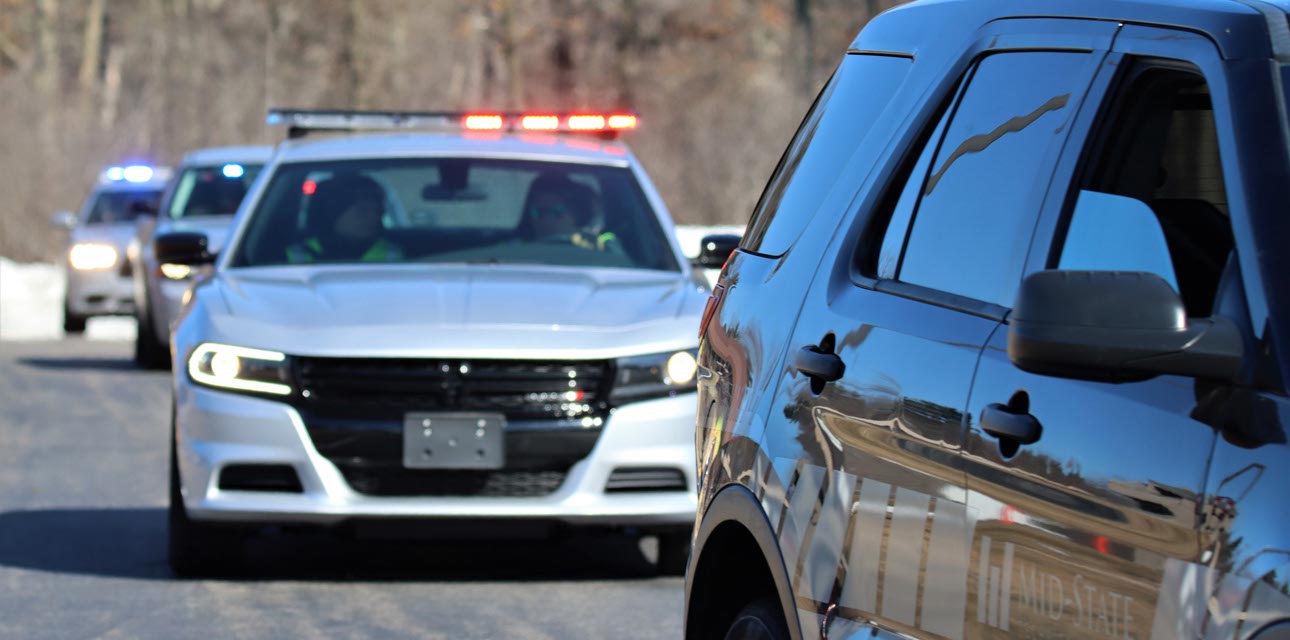
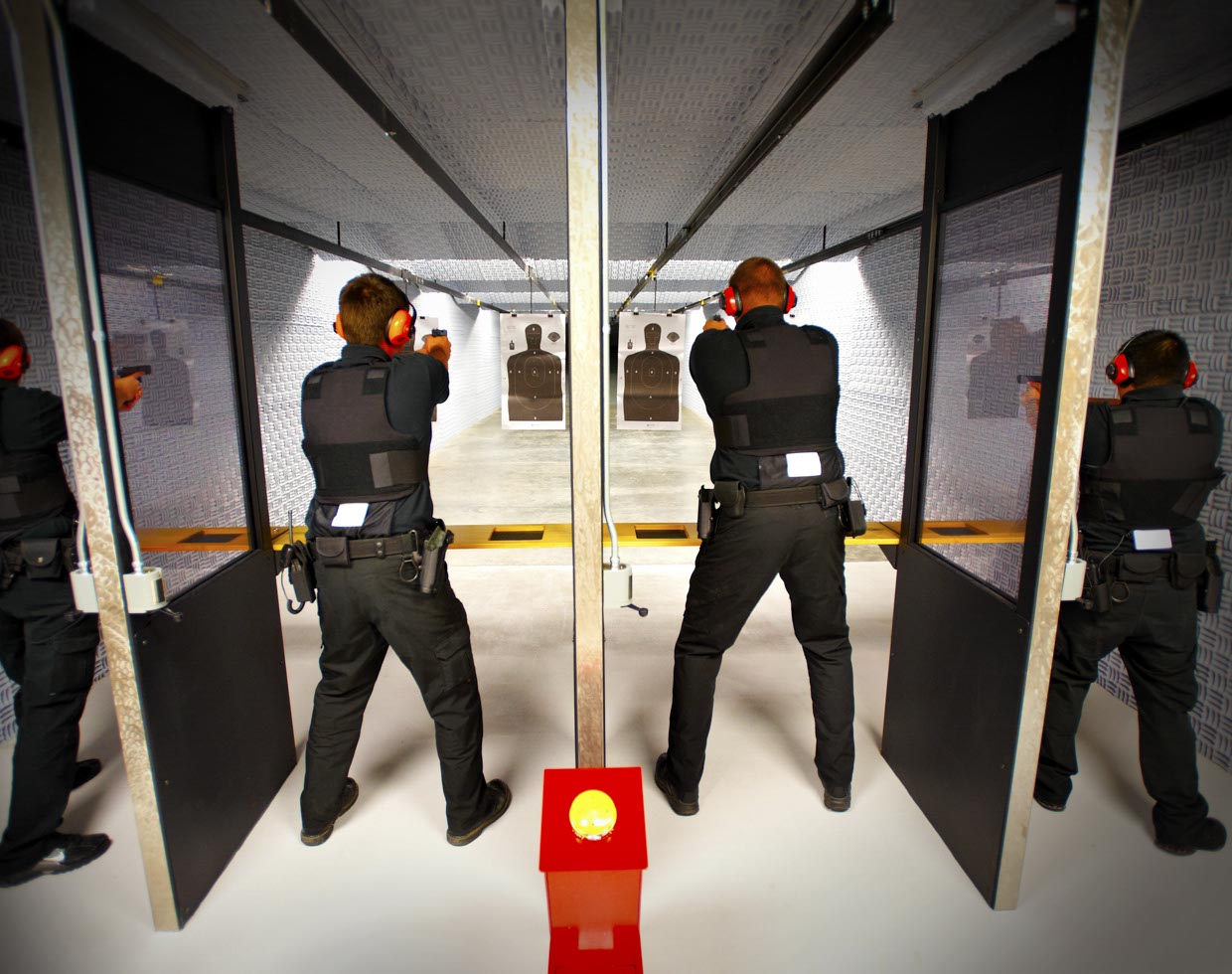
Law enforcement professionals protect and serve their communities with courage, integrity, and commitment. In this program, you will gain the practical skills and specialized training required to meet Wisconsin’s certification standards for law enforcement officers. You will learn to respond effectively to emergencies, enforce laws, and engage with citizens to maintain peace and safety in a changing society.

At Mid-State, you will train through realistic scenarios and physical fitness components that build readiness for the demands of the field. This academy is designed for students with a minimum of 40 college credits who seek certification to begin or advance a law enforcement career. 

Program Facts

Total Credits
22 Credits
Degree Type
Technical Degree
Program Length
Less Than One Year
Estimated Program Cost
$6,665.25
Financial Aid Eligibility
Partially Eligible

Program Outcomes

Graduates leave ready to succeed in their careers. Each year, data from Mid-State's Graduate Survey and statewide reports show consistently high satisfaction and strong starting salaries. Here's a snapshot of what success looks like after graduation.

Career Opportunities

Deputy Sheriff
Police Officer
Private Security
State Trooper
$55,013
Median Annual Salary
Recent program grads in Wisconsin earned a starting salary of $55,013. Source: Lightcast Data Set
1,386
Average Monthly Hires
1,386 of recent Wisconsin program grads landed jobs within six months of graduation. Source: Lightcast Data Set
100%
Mid-State Graduate Satisfaction Rate
Students leave proud, prepared, and confident in what comes next. Source: Mid-State Graduate Survey Results

Program Details

Take a closer look at what the program offers and what to expect.

Following is the list of courses within the program. Your course plan may vary, and you'll get a recommended sequence once you're enrolled. See the program information guide below for full course details or talk with your advisor.

Program Information Guide (PDF)

Full-Time Curriculum (22 Total Credits)

Credit for Prior Learning (CPL) options are available for some courses.

Term 1: (22 Credits)

Course Number

Course Name

CPL

Credits

30504500

Overview of Patrol Response

No

2

30504501

Physical Fitness

No

1

30504502

Application of Investigations

No

1

30504503

Overview of Criminal Justice

No

1

30504504

Principles of Emergency Vehicle Response

No

2

30504505

Sensitive Crimes

No

2

30504506

Overview of Investigations

No

2

30504507

Application of Traffic Response

No

3

30504508

Principles of Investigations

No

1

30504509

Principles of Tactics

No

5

30504510

Overview of Tactics

No

1

30504511

Scenario Assessment

No

1

Employers will expect graduates of this program to be able to:

  • Think critically.
  • Manage emergencies.
  • Communicate effectively.
  • Demonstrate professionalism.
  • Conduct investigations.
  • Interact with others.
  • Demonstrate technical skills.

Alongside your career training, you'll develop key workplace strengths. Explore the additional skills you'll build.

Employability Skills (PDF)

To succeed in this program, you'll need to meet certain technical standards. These are the key skills and abilities needed for the program and future career success—with or without reasonable accommodations. Be sure to review them carefully before you apply.

Technical Standards (PDF)

This program prepares you for licensure to work in Wisconsin. If you plan to work in another state, be sure to check that state's licensure requirements—Mid-State's program may not meet them all. If you've applied to the program and have any questions about this information, talk to your advisor.

Licensure Information (PDF)

Explore the resources and next steps below. Your academic advisor will help you know what to complete and when.

Who Can Apply and How
There is a separate process for admission to the Criminal Justice-Law Enforcement 720 Academy. For more information on how to apply, please contact Kurt Heuer (715-422-5606)

Minimum Standards
As set forth in Wisconsin State Statute and Chapter LES 2, of Wisconsin Administrative Code.
Criminal Justice-Law Enforcement 720 Academy Minimum Standards (PDF)

US Citizenship
US Citizenship is required to sit for this licensure exam.

Career Pathways

Career pathways help you build your education step by step. Each stage offers one or more credentials that are recognized by employers and lead to real jobs—and you can keep building toward your career goals as you go.

Prior Learning

Certificate

Technical Degree

Associate Degree

Bachelor's Degree

Get credit for what you already know. You may be able to earn college credit for prior learning through skills you’ve gained through high school classes, previous college work, self-study, military training, jobs, or volunteer experience.

  1. Credit for Prior Learning
  2. High School Dual Credit
  3. Mid-State Fast-Track – Open to high school students (age requirements apply)

Explore Other Options

Other Programs

Explore more Mid-State programs and find your path to success.

Workforce Training

Not ready for a full degree? Learn job-ready skills with our workforce training options.

Continuing Education

Add a new skill, explore a hobby, or take the next step in your career with our lifelong learning options.

Jail Officer Academy

Technical Degree

Why Jail Officer Academy?

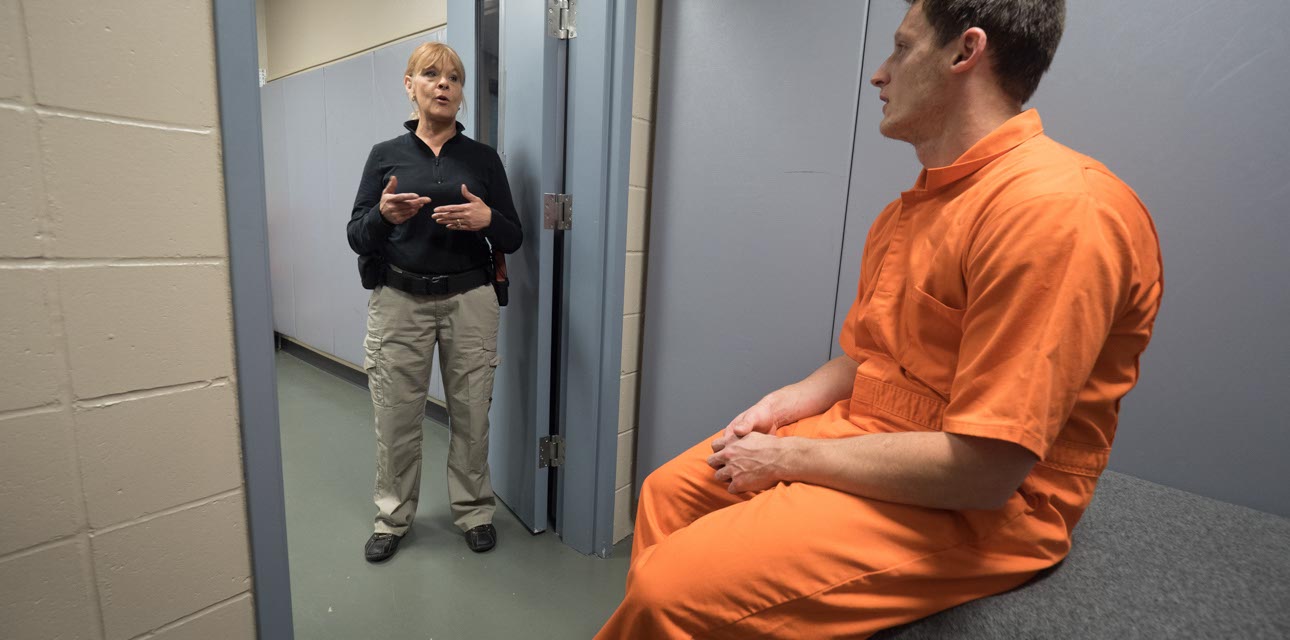
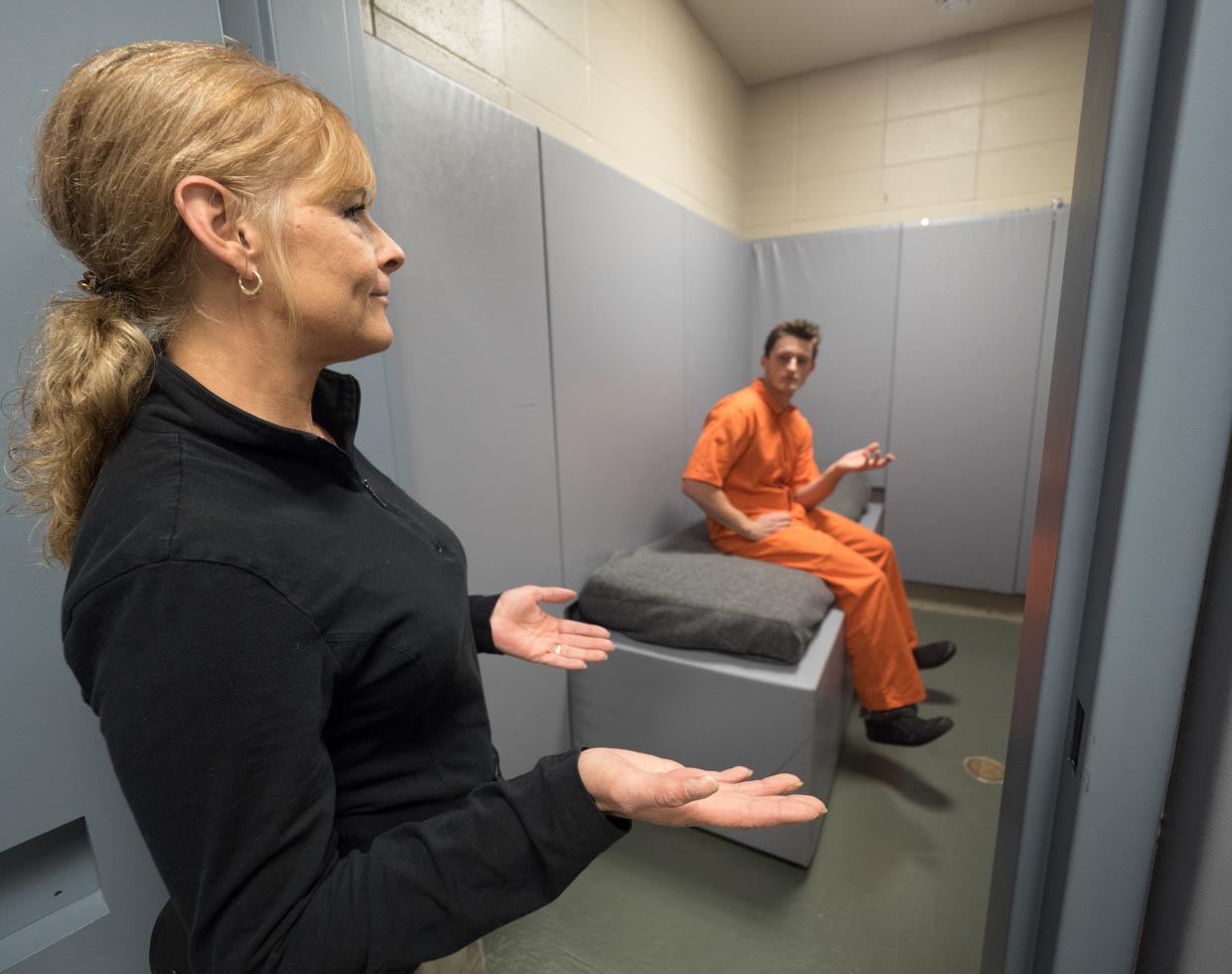
Correctional officers play a critical role in maintaining safety, order, and rehabilitation within correctional facilities. In this program, you’ll develop the skills and knowledge needed to manage inmate behavior, respond effectively to crises, and support individuals as they work toward positive change. You’ll gain the confidence to serve your community with professionalism and integrity.

At Mid-State, this one-semester academy meets the Wisconsin Department of Justice (DOJ) certification requirements to become a correctional officer. With hands-on training and expert instruction, you’ll be prepared for immediate employment and positioned for future advancement in public safety careers.

Program Facts

Total Credits
6 Credits
Degree Type
Technical Degree
Program Length
Less Than One Year
Estimated Program Cost
$1,670.12
Financial Aid Eligibility
Not Eligible

Program Outcomes

Graduates leave ready to succeed in their careers. Each year, data from Mid-State's Graduate Survey and statewide reports show consistently high satisfaction and strong starting salaries. Here's a snapshot of what success looks like after graduation.

Career Opportunities

Correctional Officer
Juvenile Detention Officer
$82,380
Median Annual Salary
Recent program grads in Wisconsin earned a starting salary of $82,380. Source: Lightcast Data Set
263
Average Monthly Hires
263 of recent Wisconsin program grads landed jobs within six months of graduation. Source: Lightcast Data Set

Program Details

Take a closer look at what the program offers and what to expect.

Following is the list of courses within the program. Your course plan may vary, and you'll get a recommended sequence once you're enrolled. See the program information guide below for full course details or talk with your advisor.

Program Information Guide (PDF)

Full-Time Curriculum (6 Total Credits)

Credit for Prior Learning (CPL) options are available for some courses.

Term 1: (6 Credits)

Course Number

Course Name

CPL

Credits

10504184

Basic Jail Academy 1

No

3

10504185

Basic Jail Academy 2

No

3

Meet our full-time instructors.

Candace Schmidt, AAS
Candace earned an AAS in corrections from Mid-State and is currently working to obtain her bachelor’s degree. Since earning her AAS, she has worked as a correctional officer for six years, with three of those years as a field training officer for new staff.

“In my journey I've discovered a determined passion for the realm of corrections and community advocacy. Through my experiences and knowledge, I am eager to share not just insight, but a sincere dedication to fostering positive change.”

Employers will expect graduates of this program to be able to:

  • Explain the components of and interrelationships in the criminal justice system.
  • Apply appropriate communication skills to public safety incidents.
  • Establish situational safety.
  • Engage effectively with vulnerable and disenfranchised individuals/populations.
  • Adhere to accepted culturally competent, ethical, and behavioral conduct.

Alongside your career training, you'll develop key workplace strengths. Explore the additional skills you'll build.

Employability Skills (PDF)

To succeed in this program, you'll need to meet certain technical standards. These are the key skills and abilities needed for the program and future career success—with or without reasonable accommodations. Be sure to review them carefully before you apply.

Technical Standards (PDF)

This program prepares you for licensure to work in Wisconsin. If you plan to work in another state, be sure to check that state's licensure requirements—Mid-State's program may not meet them all. If you've applied to the program and have any questions about this information, talk to your advisor.

Licensure Information (PDF)

Explore the resources and next steps below. Your academic advisor will help you know what to complete and when.

Who Can Apply and How
There is a separate process for admission to the Jail Officer Academy. For more information on how to apply, please contact Kurt Heuer (715-422-5606)

US Citizenship
US Citizenship is required to sit for this licensure exam.

Career Pathways

Career pathways help you build your education step by step. Each stage offers one or more credentials that are recognized by employers and lead to real jobs—and you can keep building toward your career goals as you go.

Prior Learning

Certificate

Technical Degree

Associate Degree

Bachelor's Degree

Get credit for what you already know. You may be able to earn college credit for prior learning through skills you’ve gained through high school classes, previous college work, self-study, military training, jobs, or volunteer experience.

  1. Credit for Prior Learning
  2. High School Dual Credit
  3. Mid-State Fast-Track – Open to high school students (age requirements apply)

Explore Other Options

Other Programs

Explore more Mid-State programs and find your path to success.

Workforce Training

Not ready for a full degree? Learn job-ready skills with our workforce training options.

Continuing Education

Add a new skill, explore a hobby, or take the next step in your career with our lifelong learning options.


Cosmetology

Technical Degree

Why Cosmetology?

Cosmetologists are artists and innovators who bring creativity and confidence to every client they serve. In this program, you will learn the techniques of hair design, skin care, and nail artistry while mastering the science behind beauty and wellness. You will develop the skills to help people look and feel their best through your creativity, attention to detail, and passion for transformation.

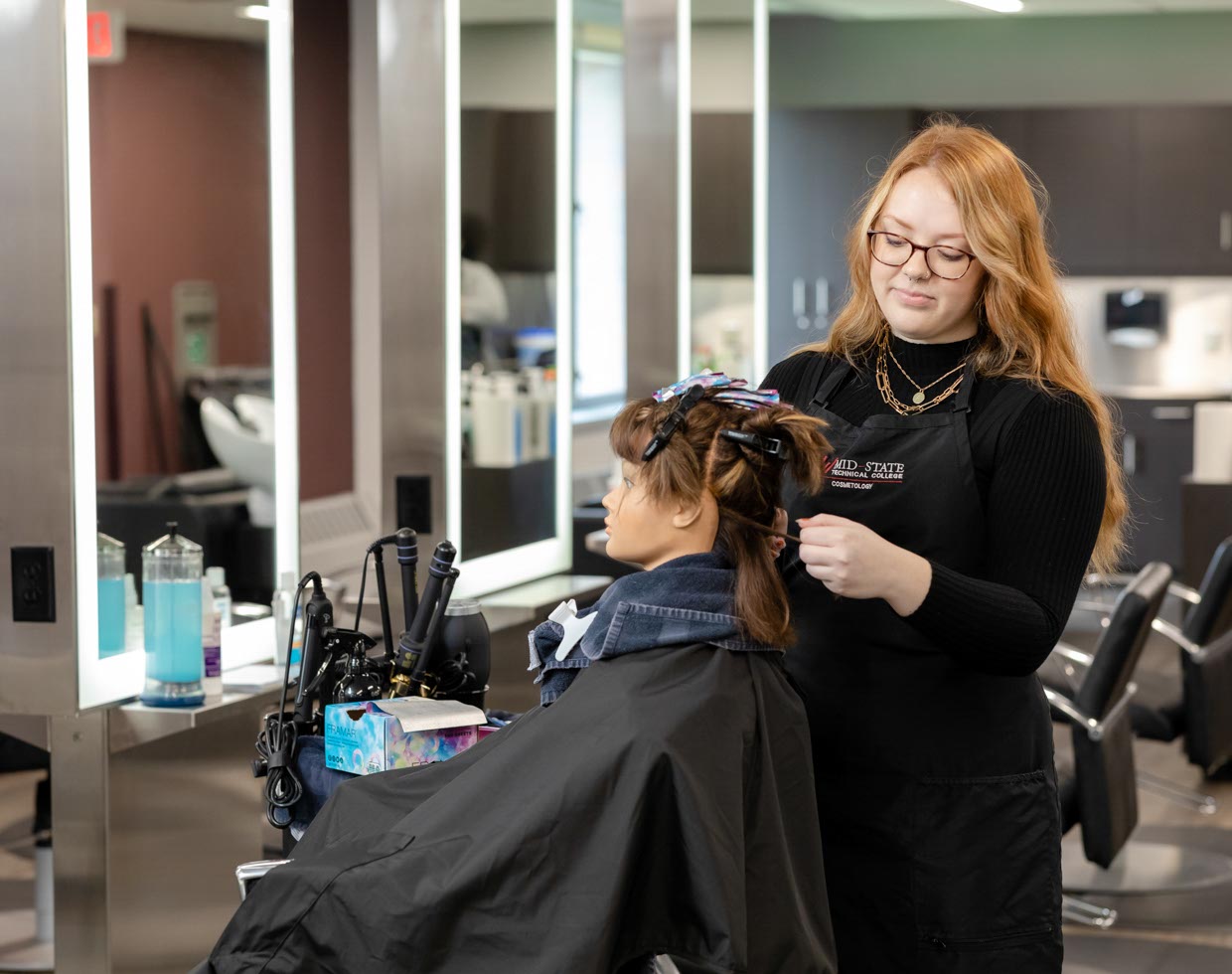
At Mid-State, you will start by perfecting your craft on mannequins before advancing to real clients in the on-campus salon. You’ll gain professional experience, build confidence, and graduate ready for immediate employment in the beauty industry.

Program Facts

Total Credits
34 Credits
Degree Type
Technical Degree
Program Length
One Year
Estimated Program Cost
$8,447.97
Financial Aid Eligibility
Fully Eligible

Program Outcomes

Graduates leave ready to succeed in their careers. Each year, data from Mid-State's Graduate Survey and statewide reports show consistently high satisfaction and strong starting salaries. Here's a snapshot of what success looks like after graduation.

Career Opportunities

Cosmetologist
Esthetician
Hair Stylist
Makeup Artist
Manicurist/Pedicurist
$36,179
Median Annual Salary
Recent program grads in Wisconsin earned a starting salary of $36,179. Source: Lightcast Data Set
246
Average Monthly Hires
246 of recent Wisconsin program grads landed jobs within six months of graduation. Source: Lightcast Data Set
95%
Mid-State Graduate Satisfaction Rate
Students leave proud, prepared, and confident in what comes next. Source: Mid-State Graduate Survey Results

Program Details

Take a closer look at what the program offers and what to expect.

Following is the list of courses within the program. Your course plan may vary, and you'll get a recommended sequence once you're enrolled. See the program information guide below for full course details or talk with your advisor.

Program Information Guide (PDF)

Full-Time Curriculum (34 Total Credits)

Credit for Prior Learning (CPL) options are available for some courses.

Term 1: (15 Credits)

Course Number

Course Name

CPL

Credits

31502334

Hairstyling

No

3

31502335

Haircutting

No

3

31502336

Chemical Texture Services

No

3

31502337

Nail Technology

No

1

31502340

Facials

No

1

31502347

Haircolor

No

3

10890102

GPS for Student Success

Yes

1

Term 2: (13 Credits)

Course Number

Course Name

CPL

Credits

31502316

Theory of General Sciences

No

1

31502338

Salon Operations

No

1

31502342

Capstone Experience

No

3

31502343

Salon Client Relations

No

4

31502344

Salon Ecology & Industry Trends

No

4

Term 3: (6 Credits)

Course Number

Course Name

CPL

Credits

31502349

Salon Communication & Management

No

3

31502350

Salon Sales & Marketing

No

3

Meet our full-time instructors.

Stacy Brock, BA
Stacy received a bachelor of arts degree in 2014 from Concordia University Wisconsin. She also received her technical diploma for Cosmetology in 1997. Stacy worked for a corporate salon in addition to owning her own salon before pursuing her teaching career. She is currently a full-time instructor and program director at Mid-State for the Cosmetology and Barber Technologist programs. She believes in hard work and is very dedicated to the cosmetology industry. She enjoys sharing her passion for the industry in the classroom.

“Work hard in silence and let your success make the noise.”

Hollie Van De Loop, AAS
Hollie earned her technical certificates in Cosmetology and Barbering from Mid-State in 2017 and holds Wisconsin state licensure for both. Previously she completed her associate in applied science at Northcentral Technical College. She started out teaching part-time in Mid-State’s Cosmetology and Barbering Technology programs before transitioning into a full-time role.  

“I loved my experience here at Mid-State as a student and am very excited that I now get to teach here and share my passion for the beauty industry with all the students to come.”

Employers will expect graduates of this program to be able to:

  • Apply safety and sanitation procedures.
  • Adhere to the current Wisconsin administrative codes and statutes for cosmetology.
  • Demonstrate interpersonal skills for success.
  • Perform hair cutting services.
  • Perform shampoo services.
  • Perform skin care services.
  • Perform texture services.
  • Perform hair color services.
  • Demonstrate hair styling and finishing techniques.
  • Perform nail services.
  • Develop strategies to market products and services.

Alongside your career training, you'll develop key workplace strengths. Explore the additional skills you'll build.

Employability Skills (PDF)

To succeed in this program, you'll need to meet certain technical standards. These are the key skills and abilities needed for the program and future career success—with or without reasonable accommodations. Be sure to review them carefully before you apply.

Technical Standards (PDF)

Career Pathways

Career pathways help you build your education step by step. Each stage offers one or more credentials that are recognized by employers and lead to real jobs—and you can keep building toward your career goals as you go.

Prior Learning

Certificate

Technical Degree

Associate Degree

Bachelor's Degree

Get credit for what you already know. You may be able to earn college credit for prior learning through skills you’ve gained through high school classes, previous college work, self-study, military training, jobs, or volunteer experience.

  1. Credit for Prior Learning
  2. High School Dual Credit
  3. Mid-State Fast-Track – Open to high school students

Explore Other Options

Other Programs

Explore more Mid-State programs and find your path to success.

Workforce Training

Not ready for a full degree? Learn job-ready skills with our workforce training options.

Continuing Education

Add a new skill, explore a hobby, or take the next step in your career with our lifelong learning options.
Construction Trades

Technical Degree

Why Construction Trades?

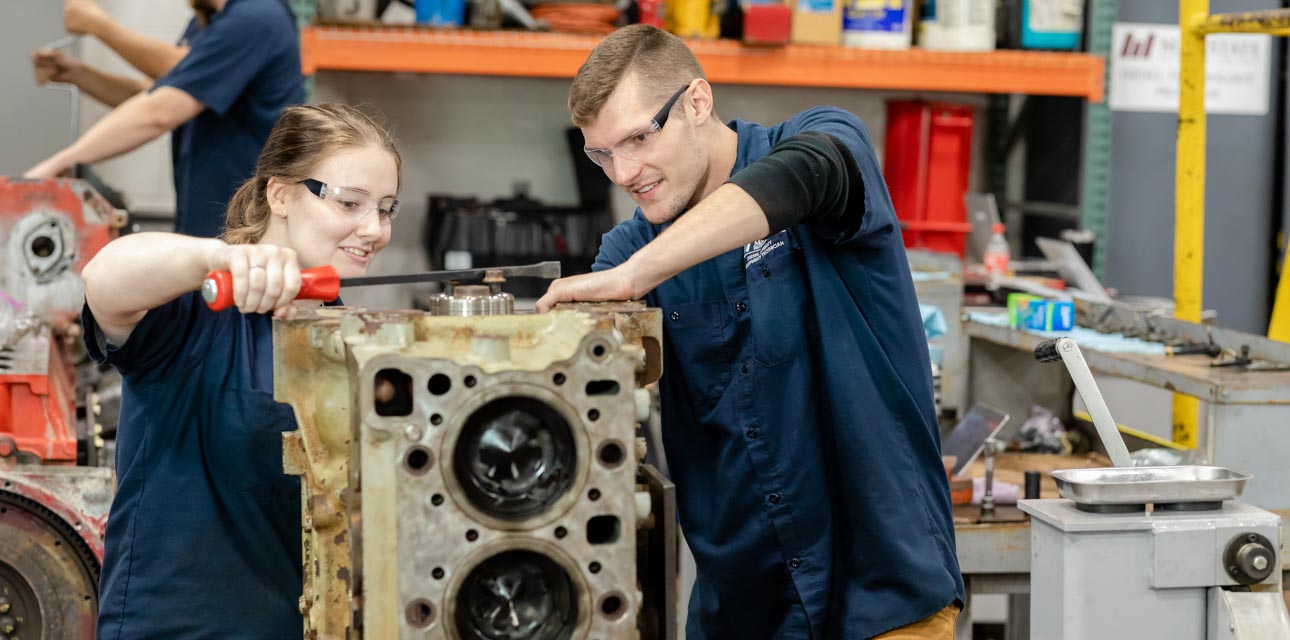
Construction is a hands-on career built on problem-solving, teamwork, and tangible results. In this program, you will learn essential skills used on job sites every day, from reading blueprints and operating tools to understanding building materials and safety practices. You will gain practical experience that prepares you to contribute to major projects and start a rewarding career in the construction industry.

At Mid-State, you will train in an interactive, year-round construction lab that includes a full indoor house for real project practice. You’ll complete a ten-credit program in one semester, building the skills and confidence that can lead directly to employment in a high-demand field.

Program Facts

Total Credits
11 Credits
Degree Type
Technical Degree
Program Length
Less Than One Year
Estimated Program Cost
$2,448.65
Financial Aid Eligibility
Not Eligible

Program Outcomes

Graduates leave ready to succeed in their careers. Each year, data from Mid-State's Graduate Survey and statewide reports show consistently high satisfaction and strong starting salaries. Here's a snapshot of what success looks like after graduation.

Career Opportunities

Electrical Contracting Laborer
Carpentry Contracting Laborer
General Construction Laborer
Plumbing Contracting Laborer
$50,557
Median Annual Salary
Recent program grads in Wisconsin earned a starting salary of $50,557. Source: Lightcast Data Set
1,360
Average Monthly Hires
1,360 of recent Wisconsin program grads landed jobs within six months of graduation. Source: Lightcast Data Set
100%
Mid-State Graduate Satisfaction Rate
Students leave proud, prepared, and confident in what comes next. Source: Mid-State Graduate Survey Results

Program Details

Take a closer look at what the program offers and what to expect.

Following is the list of courses within the program. Your course plan may vary, and you'll get a recommended sequence once you're enrolled. See the program information guide below for full course details or talk with your advisor.

Program Information Guide (PDF)

Full-Time Curriculum (11 Total Credits)

Credit for Prior Learning (CPL) options are available for some courses.

Term 1: (11 Credits)

Course Number

Course Name

CPL

Credits

10476171

Safety for Construction Trades

Yes

1

10482107

Construction Fundamentals

No

2

10483123

Piping Installation

No

2

10601130

Blueprint Reading for Construction Trades

No

2

10601140

Electricity for the Construction Trades

No

2

31442320

Welding Foundations 1

Yes

1

10890102

GPS for Student Success

Yes

1

Meet our full-time instructors.

Mark Haferman, AD
Mark earned his associate degree in industrial mechanical technologies from Mid-State Technical College. He is also a licensed Journeyman Steamfitter and Journeyman Plumber with EPA 608 certification. His teaching at Mid-State draws on 12 years of experience in HVAC, plumbing, and mechanical field service.

“Being a trades instructor is very fulfilling for me. I love to pour into students, share what I have learned through experience, work alongside them, and help them pursue their career in the trades.”

Karl Schwingel, BS
Karl graduated from Northland College with a bachelor of science in environmental science. His certifications include Solar Thermal Installer by the North American Board of Certified Energy Practitioners® (NABCEP®) and EPA 608. Karl’s teaching is informed by 25 years of experience installing and servicing renewable energy systems and doing general residential construction as well as 15 years specializing in hydronic heating system design, construction, and service.

“I really enjoy developing in my students the skill to ask the right questions, in the right way. If you learn to ask the right questions, the answers will yield actionable knowledge.”

Employers will expect graduates of this program to be able to:

  • Demonstrate construction safety.
  • Use construction tools and equipment.
  • Interpret construction documents and blueprints.
  • Construct a building structure using wood framing techniques.
  • Recognize plumbing, HVAC, and electrical systems.
  • Comply with all applicable standards, policies, and procedures, including safety procedures and the maintenance of a clean work area.

Alongside your career training, you'll develop key workplace strengths. Explore the additional skills you'll build.

Employability Skills (PDF)

To succeed in this program, you'll need to meet certain technical standards. These are the key skills and abilities needed for the program and future career success—with or without reasonable accommodations. Be sure to review them carefully before you apply.

Technical Standards (PDF)

Career Pathways

Career pathways help you build your education step by step. Each stage offers one or more credentials that are recognized by employers and lead to real jobs—and you can keep building toward your career goals as you go.

Prior Learning

Certificate

Technical Degree

Associate Degree

Bachelor's Degree

Get credit for what you already know. You may be able to earn college credit for prior learning through skills you’ve gained through high school classes, previous college work, self-study, military training, jobs, or volunteer experience.

  1. Credit for Prior Learning
  2. High School Dual Credit
  3. Mid-State Fast-Track – Open to high school students

Explore Other Options

Other Programs

Explore more Mid-State programs and find your path to success.

Workforce Training

Not ready for a full degree? Learn job-ready skills with our workforce training options.

Continuing Education

Add a new skill, explore a hobby, or take the next step in your career with our lifelong learning options.