IT Cybersecurity Specialist

Associate in Applied Science (AAS)

Why IT Cybersecurity Specialist?

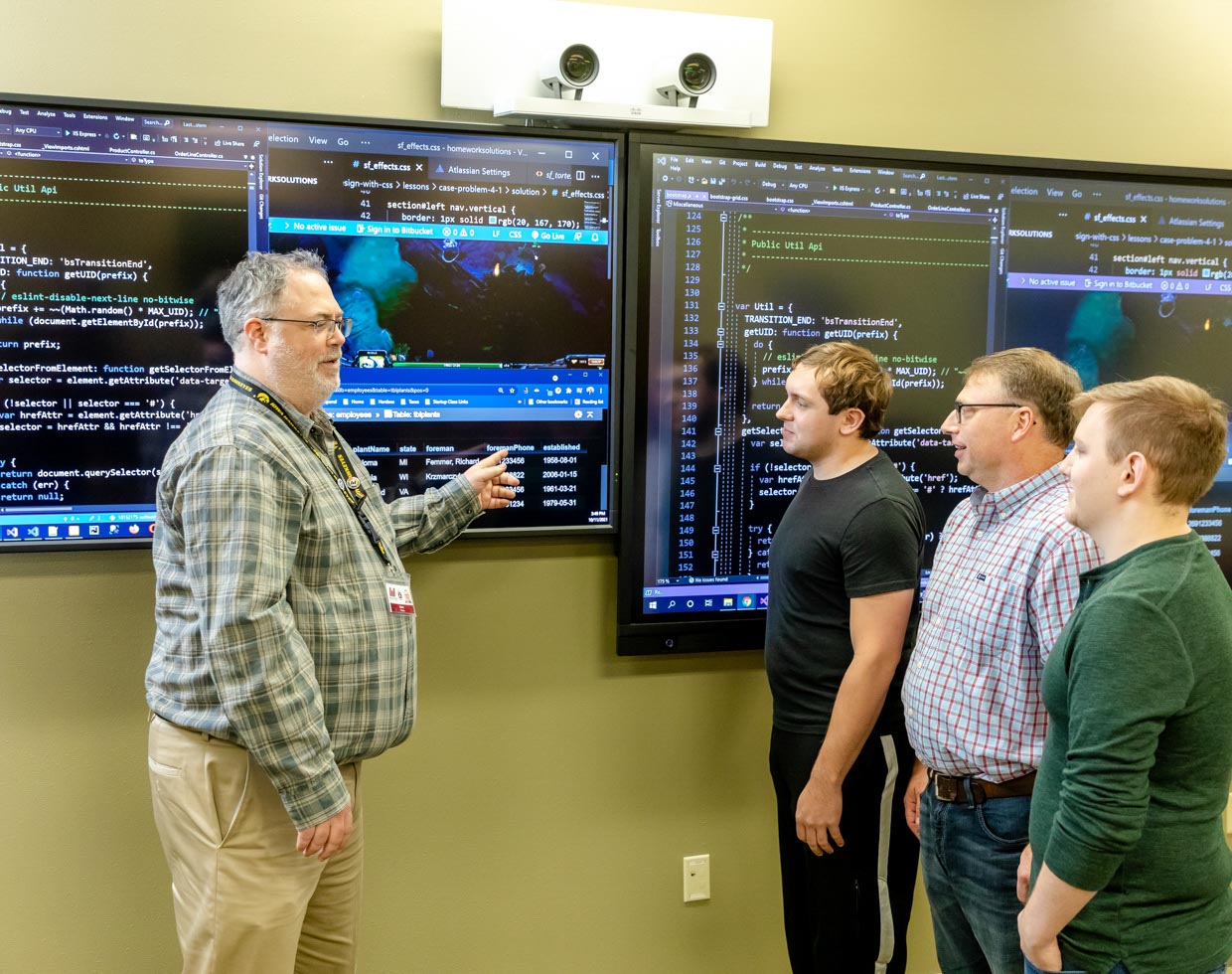
Cybersecurity specialists are the digital defenders of today’s connected world. In this program, you’ll learn to safeguard data, secure networks, and protect organizations against cyberattacks. Through hands-on training and real-world problem solving, you’ll build the skills employers demand in one of the fastest-growing careers nationwide.

At Mid-State, you’ll work with advanced tools used across the industry, gaining practical experience in system defense, threat detection, and security management. The program’s validation by the National Security Agency (NSA) ensures you graduate prepared for nationally recognized certifications and immediate entry into the workforce.

Program Facts

Total Credits
61 Credits
Degree Type
Associate in Applied Science (AAS)
Program Length
Two Years
Estimated Program Cost
$11,724.12
Financial Aid Eligibility
Fully Eligible

Program Outcomes

Graduates leave ready to succeed in their careers. Each year, data from Mid-State's Graduate Survey and statewide reports show consistently high satisfaction and strong starting salaries. Here's a snapshot of what success looks like after graduation.

Career Opportunities

Information Security Specialist
Junior Penetration Tester
Security Engineer
Security Operations Center (SOC) Analyst
Systems Administrator
$94,125
Median Annual Salary
Recent program grads in Wisconsin earned a starting salary of $94,125. Source: Lightcast Data Set
359
Average Monthly Hires
359 of recent Wisconsin program grads landed jobs within six months of graduation. Source: Lightcast Data Set
100%
Mid-State Graduate Satisfaction Rate
Students leave proud, prepared, and confident in what comes next. Source: Mid-State Graduate Survey Results

Program Details

Take a closer look at what the program offers and what to expect.

Following is the list of courses within the program. Your course plan may vary, and you'll get a recommended sequence once you're enrolled. See the program information guide below for full course details or talk with your advisor.

Program Information Guide (PDF)

Full-Time Curriculum (61 Total Credits)

Credit for Prior Learning (CPL) options are available for some courses.

Term 1: (16 Credits)

Course Number

Course Name

CPL

Credits

10150110

Networking I

Yes

3

10151105

Linux

No

3

10154102

IT Essentials

Yes

3

10801198 or 10801196

Speech or Oral/Interpersonal Communication

Yes

3

10804135

Quantitative Reasoning

Yes

3

10890102

GPS for Student Success

Yes

1

Term 2: (15 Credits)

Course Number

Course Name

CPL

Credits

10150111

Networking II

Yes

3

10150120

Server Administration-Beginning

No

3

10150165

Network Server Scripting

No

3

10151110

Information Security 1

Yes

3

10152101

Intro to Programming

Yes

3

Term 3: (15 Credits)

Course Number

Course Name

CPL

Credits

10150112

Networking III

Yes

3

10151111

Information Security 2

No

3

10151160

Ethical Hacking

No

3

10809103

Think Critically & Creatively

Yes

3

10809198

Introduction to Psychology

Yes

3

Term 4: (15 Credits)

Course Number

Course Name

CPL

Credits

10151112

Information Security 3

No

3

10151161

IT Security Capstone

No

3

10151162

Secure Software Applications

No

3

10801195 or 10801136

Written Communication or English Composition 1

Yes

3

10809166

Introduction to Ethics: Theory & Application

Yes

3

Employers will expect graduates of this program to be able to:

  • Identify security strategies.
  • Implement secure infrastructures.
  • Conduct security testing.
  • Analyze security data.
  • Mitigate risk.
  • Develop security documentation.

Alongside your career training, you'll develop key workplace strengths. Explore the additional skills you'll build.

Employability Skills (PDF)

To succeed in this program, you'll need to meet certain technical standards. These are the key skills and abilities needed for the program and future career success—with or without reasonable accommodations. Be sure to review them carefully before you apply.

Technical Standards (PDF)

Career Pathways

Career pathways help you build your education step by step. Each stage offers one or more credentials that are recognized by employers and lead to real jobs—and you can keep building toward your career goals as you go.

Prior Learning

Certificate

Technical Degree

Associate Degree

Bachelor's Degree

Get credit for what you already know. You may be able to earn college credit for prior learning through skills you’ve gained through high school classes, previous college work, self-study, military training, jobs, or volunteer experience.

  1. Credit for Prior Learning
  2. High School Dual Credit
  3. Mid-State Fast-Track – Open to high school students

Explore Other Options

Other Programs

Explore more Mid-State programs and find your path to success.

Workforce Training

Not ready for a full degree? Learn job-ready skills with our workforce training options.

Continuing Education

Add a new skill, explore a hobby, or take the next step in your career with our lifelong learning options.

Industrial Mechanical Technician

Associate in Applied Science (AAS)

Why Industrial Mechanical Technician?

Industrial mechanical technicians are the problem-solvers who keep manufacturing operations running efficiently. In this program, you will learn to install, maintain, and repair mechanical and electrical systems used in today’s advanced manufacturing facilities. You’ll develop strong troubleshooting, safety, and technical skills that prepare you for a stable, high-demand career in Wisconsin’s growing industrial sector.

At Mid-State, learning takes place through extensive hands-on lab work and real-world projects guided by industry-experienced instructors. You’ll graduate ready to join a field with excellent pay, advancement opportunities, and long-term job security.

Program Facts

Total Credits
61 Credits
Degree Type
Associate in Applied Science (AAS)
Program Length
Two Years
Estimated Program Cost
$12,458.22
Financial Aid Eligibility
Fully Eligible

Program Outcomes

Graduates leave ready to succeed in their careers. Each year, data from Mid-State's Graduate Survey and statewide reports show consistently high satisfaction and strong starting salaries. Here's a snapshot of what success looks like after graduation.

Career Opportunities

Industrial Machinery Mechanic
Industrial Maintenance Technician
Maintenance Technician
Predictive Maintenance (PM) Technician
$56,981
Median Annual Salary
Recent program grads in Wisconsin earned a starting salary of $56,981. Source: Lightcast Data Set
1,839
Average Monthly Hires
1,839 of recent Wisconsin program grads landed jobs within six months of graduation. Source: Lightcast Data Set
100%
Mid-State Graduate Satisfaction Rate
Students leave proud, prepared, and confident in what comes next. Source: Mid-State Graduate Survey Results

Program Details

Take a closer look at what the program offers and what to expect.

Following is the list of courses within the program. Your course plan may vary, and you'll get a recommended sequence once you're enrolled. See the program information guide below for full course details or talk with your advisor.

Program Information Guide (PDF)

Full-Time Curriculum (61 Total Credits)

Credit for Prior Learning (CPL) options are available for some courses.

Term 1: (17 Credits)

Course Number

Course Name

CPL

Credits

10462102

Bearings and Lubrication

No

2

10462110

Material Handling

No

2

10462132

Machine Shop Fundamentals

No

3

10605105

Electrical Circuits I

Yes

3

10801195 or 10801136

Written Communication or English Composition 1

Yes

3

10804107

College Mathematics

Yes

3

10890102

GPS for Student Success

Yes

1

Term 2: (15 Credits)

Course Number

Course Name

CPL

Credits

10462107

Industrial Safety

Yes

2

10462122

Preventive, Predictive, and RCM

Yes

2

10462133

Electric Controls for Industrial Automation

No

3

10623106

Introduction to AutoCAD

Yes

1

10623114

Intro to Inventor

Yes

1

10801198 or 10801196

Speech or Oral/Interpersonal Communication

Yes

3

10809103

Think Critically and Creatively

Yes

3

Term 3: (14 Credits)

Course Number

Course Name

CPL

Credits

10462104

Fluid Process Systems

No

3

10462106

Mechanical Power Transmission

No

3

10605117

Automation 1 - Beginning PLC

Yes

3

10809198 or 10809188

Introduction to Psychology or Developmental Psychology

Yes

3

31442320

Welding Foundations 1

Yes

1

31442321

Welding Foundations 2

No

1

Term 4: (15 Credits)

Course Number

Course Name

CPL

Credits

10457119

Fabrication Fundamentals 1

No

1

10457120

Fabrication Fundamentals 2

No

1

10462120

Industrial Hydraulics & Pneumatics

No

3

10462134

Industrial Mechanical Capstone

No

2

10605119

Automation 2 - Advanced PLC

No

3

10462131

Industrial Electric Power Applications

No

2

10809166

Introduction to Ethics: Theory & Application

Yes

3

Meet our full-time instructors.

Michael Schultz, BS, MS
Michael earned his master of science degree from Eastern Kentucky University and is an authorized general industry trainer for OSHA 10 and 30. He has 18 years of industry experience and continually advances his own education. He also visits and connects with employers in manufacturing to maintain relationships and make connections between the experiences of his students and the needs of employers.

“Teaching in a technical college is a two-way street. I share my experiences with my students, and each student brings insight and experience as well. This cooperative dynamic enriches the learning for all of us.”

Employers will expect graduates of this program to be able to:

  • Demonstrate safe work procedures.
  • Install industrial equipment and systems.
  • Maintain industrial equipment and systems.
  • Troubleshoot industrial equipment and systems.
  • Repair industrial equipment and systems.
  • Communicate technical information.

Alongside your career training, you'll develop key workplace strengths. Explore the additional skills you'll build.

Employability Skills (PDF)

To succeed in this program, you'll need to meet certain technical standards. These are the key skills and abilities needed for the program and future career success—with or without reasonable accommodations. Be sure to review them carefully before you apply.

Technical Standards (PDF)

Career Pathways

Career pathways help you build your education step by step. Each stage offers one or more credentials that are recognized by employers and lead to real jobs—and you can keep building toward your career goals as you go.

Prior Learning

Certificate

Technical Degree

Associate Degree

Bachelor's Degree

Get credit for what you already know. You may be able to earn college credit for prior learning through skills you’ve gained through high school classes, previous college work, self-study, military training, jobs, or volunteer experience.

  1. Credit for Prior Learning
  2. High School Dual Credit
  3. Mid-State Fast-Track – Open to high school students

Explore Other Options

Other Programs

Explore more Mid-State programs and find your path to success.

Workforce Training

Not ready for a full degree? Learn job-ready skills with our workforce training options.

Continuing Education

Add a new skill, explore a hobby, or take the next step in your career with our lifelong learning options.

Hospitality Management

Associate in Applied Science (AAS)

Why Hospitality Management?

Hospitality professionals create memorable experiences that keep guests coming back. In this program, you will learn to manage operations in lodging, food service, and tourism while developing leadership, problem-solving, and customer service skills. You’ll gain the knowledge and confidence to build a rewarding career in one of the world’s largest and most dynamic industries.

At Mid-State, you’ll learn from instructors with advanced degrees, industry certifications, and real-world experience. Through a mix of hospitality, business, and general education courses, you’ll prepare for leadership roles in a field that continues to see strong growth and local demand.

Program Facts

Total Credits
61-62 Credits
Degree Type
Associate in Applied Science (AAS)
Program Length
Two Years
Estimated Program Cost
$11,580.08
Financial Aid Eligibility
Fully Eligible

Program Outcomes

Graduates leave ready to succeed in their careers. Each year, data from Mid-State's Graduate Survey and statewide reports show consistently high satisfaction and strong starting salaries. Here's a snapshot of what success looks like after graduation.

Career Opportunities

Event Coordinator
Hospitality and Tourism Coordinator
Hotel Supervisor
Restaurant/Food & Beverage Supervisor
Sales and Service Manager
$56,184
Median Annual Salary
Recent program grads in Wisconsin earned a starting salary of $56,184. Source: Lightcast Data Set
339
Average Monthly Hires
339 of recent Wisconsin program grads landed jobs within six months of graduation. Source: Lightcast Data Set
100%
Mid-State Graduate Satisfaction Rate
Students leave proud, prepared, and confident in what comes next. Source: Mid-State Graduate Survey Results

Program Details

Take a closer look at what the program offers and what to expect.

Following is the list of courses within the program. Your course plan may vary, and you'll get a recommended sequence once you're enrolled. See the program information guide below for full course details or talk with your advisor.

Program Information Guide (PDF)

Full-Time Curriculum (61-62 Total Credits)

Credit for Prior Learning (CPL) options are available for some courses.

Term 1: (17 Credits)

Course Number

Course Name

CPL

Credits

10102101

Introduction to Business

Yes

3

10102231

Business Networking

No

1

10106106

Quality Customer Service

Yes

3

10109101

Exploring Hospitality

No

3

10801195 or 10801136

Written Communication or English Composition 1

Yes

3

10801198 or 10801196

Speech or Oral/Interpersonal Communication

Yes

3

10890102

GPS for Student Success

Yes

1

Term 2: (16 Credits)

Course Number

Course Name

CPL

Credits

10102230

Business Communities

No

1

10103106

Microsoft Office-Introduction

Yes

3

10104102

Marketing Principles

Yes

3

10109110

Room Operations Division

No

3

10109160

Hospitality Internship

Yes

2

10316112

Sanitation for Foodservice Operations

Yes

1

10809103

Think Critically & Creatively

Yes

3

Term 3: (13-14)

Course Number

Course Name

CPL

Credits

10102232

Entrepreneurial Foundations

No

1

10109134

Cost Control-Revenue Management

No

3

10109161

Event Planning and Management

No

3

10196192

Managing for Quality

No

3

10804107 or 10804118 or 10804189

College Mathematics or Intermediate Algebra with Applications or Introductory Statistics

Yes

3 or 4 or 3

Term 4: (15 Credits)

Course Number

Course Name

CPL

Credits

10104107

Social Media Marketing

No

3

10109107

Hospitality Law and Liability

No

3

10196191

Supervision

Yes

3

10809172

Introduction to Diversity Studies

Yes

3

10809198

Introduction to Psychology

Yes

3

Meet our full-time instructors.

Angela Steinhauer, AAS, BS, MBA
In addition to an MBA with management emphasis, Angela holds a bachelor of science in hotel, restaurant, and tourism management from University of Wisconsin–Stout. She has taught hospitality, business, and leadership courses for several years and brings over 20 years of hospitality industry experience in everything from entry level to senior-level management positions.

“Being a hospitality professional and mentor is the essence of my character—I thrive on creating an authentic, memorable, and supportive learning environment for all those who enter this dynamic industry!”

Employers will expect graduates of this program to be able to:

  • Plan the operations within a hospitality organization.
  • Organize hospitality resources to achieve the goals of the organization.
  • Direct individuals and/or processes to meet organizational goals.
  • Control hospitality processes/procedures.

Alongside your career training, you'll develop key workplace strengths. Explore the additional skills you'll build.

Employability Skills (PDF)

To succeed in this program, you'll need to meet certain technical standards. These are the key skills and abilities needed for the program and future career success—with or without reasonable accommodations. Be sure to review them carefully before you apply.

Technical Standards (PDF)

Career Pathways

Career pathways help you build your education step by step. Each stage offers one or more credentials that are recognized by employers and lead to real jobs—and you can keep building toward your career goals as you go.

Prior Learning

Certificate

Technical Degree

Associate Degree

Bachelor's Degree

Get credit for what you already know. You may be able to earn college credit for prior learning through skills you’ve gained through high school classes, previous college work, self-study, military training, jobs, or volunteer experience.

  1. Credit for Prior Learning
  2. High School Dual Credit
  3. Mid-State Fast-Track – Open to high school students

Explore Other Options

Other Programs

Explore more Mid-State programs and find your path to success.

Workforce Training

Not ready for a full degree? Learn job-ready skills with our workforce training options.

Continuing Education

Add a new skill, explore a hobby, or take the next step in your career with our lifelong learning options.

Health Information Management

Associate in Applied Science (AAS)

Why Health Information Management?

Health information professionals are at the center of modern healthcare, ensuring that patient data is accurate, secure, and accessible when it’s needed most. In this program, you will learn how to manage electronic health records, analyze data, and improve healthcare outcomes through information management and technology. You’ll gain the analytical and organizational skills to thrive in this rapidly growing field.

At Mid-State, you’ll complete a CAHIIM-accredited program that prepares you to sit for the Registered Health Information Technician (RHIT) certification exam. The program is offered entirely online, combining flexibility with the credibility employers expect from a nationally recognized credential.

Program Facts

Total Credits
62-63 Credits
Degree Type
Associate in Applied Science (AAS)
Program Length
Two Years
Estimated Program Cost
$13,383.64
Financial Aid Eligibility
Fully Eligible

Program Outcomes

Graduates leave ready to succeed in their careers. Each year, data from Mid-State's Graduate Survey and statewide reports show consistently high satisfaction and strong starting salaries. Here's a snapshot of what success looks like after graduation.

Career Opportunities

Health Information Specialist/Technician
Health Information Supervisor
Master Patient Index Specialist
Medical Coding Auditor/Reviewer
Revenue Cycle Coordinator
$67,808
Median Annual Salary
Recent program grads in Wisconsin earned a starting salary of $67,808. Source: Lightcast Data Set
11
Average Monthly Hires
11 of recent Wisconsin program grads landed jobs within six months of graduation. Source: Lightcast Data Set
100%
Mid-State Graduate Satisfaction Rate
Students leave proud, prepared, and confident in what comes next. Source: Mid-State Graduate Survey Results

Program Details

Take a closer look at what the program offers and what to expect.

Following is the list of courses within the program. Your course plan may vary, and you'll get a recommended sequence once you're enrolled. See the program information guide below for full course details or talk with your advisor.

Program Information Guide (PDF)

Full-Time Curriculum (62-63 Total Credits)

Credit for Prior Learning (CPL) options are available for some courses.

Term 1: (15-16)

Course Number

Course Name

CPL

Credits

10103106

Microsoft Office-Introduction

Yes

3

10501101

Medical Terminology

Yes

3

10530123

Introduction to Digital Information in Healthcare

No

3

10530125

Organization of Healthcare

No

2

10806189 or 10806177

Basic Anatomy or General Anatomy & Physiology

No or Yes

3 or 4

10890102

GPS for Student Success

Yes

1

Term 2: (15 Credits)

Course Number

Course Name

CPL

Credits

10103124

Excel Intermediate

Yes

1

10530144

CPT Coding for HIM

No

3

10530112

Legal Aspects of HIM

No

2

10530117

Human Disease for the Health Professions

No

3

10530197

ICD Diagnosis Coding

No

3

10801195 or 10801136

Written Communication or English Composition 1

Yes

3

Term 3: (15 Credits)

Course Number

Course Name

CPL

Credits

10530132

Health Data Analysis

No

3

10530160

Performance Improvement for Health Professions

No

3

10804189

Introductory Statistics

Yes

3

10801198 or 10801196

Speech or Oral/Interpersonal Communication

Yes

3

10809198 or 10809188

Introduction to Psychology or Developmental Psychology

Yes

3

Term 4: (15 Credits)

Course Number

Course Name

CPL

Credits

10530146

Private and Government Reimbursement

No

3

10530147

HIM Advanced Coding

No

3

10530113

RHIT Test Prep

No

1

10530114

Health Information Practicum

No

1

10530115

Inpatient Procedure Coding

No

3

10530116

Management of Health Information Services

No

3

10809172 or 10809196

Introduction to Diversity Studies or Introduction to Sociology

Yes

3

Meet our full-time instructors.

Kari Bjorge, BS, RHIA, CCS
Kari Bjorge holds a BS in health information management from Herzing University as well as RHIA and CCS certifications. With over a decade of experience as a medical coder, Kari has worked in most areas of coding, including inpatient, professional fee, and physician education. To keep her professional skills current, she serves as a volunteer on the Wisconsin Health Information Management Association (WHIMA) board of directors and many WHIMA teams.

“I have a deep passion for health information (HI) and I want to share my passion with our future HI professionals!”

Angela Voight, AAS, BS
Angie Voight is a highly skilled healthcare professional with a diverse educational and professional background. She holds an AAS in biomedical informatics, also known as health information management, from Mid-State Technical College and a BS in career and technical education and training from UW-Stout. With her extensive knowledge and expertise, Angie is a Registered Health Information Technician (RHIT) and a Certified Professional Coder (CPC) with numerous years of experience in medical coding for local hospitals. Angie prioritizes her continuing education credits to help students stay updated with the latest developments and trends in the field. She understands that the healthcare industry is constantly evolving, and it is crucial for professionals to keep themselves informed and knowledgeable. She brings a wealth of knowledge and expertise to her role as an educator and is committed to helping her students.

“I love teaching because of the satisfaction of witnessing students have those ‘aha’ moments.”

Employers will expect graduates of this program to be able to:

  • Demonstrate professional behaviors and ethics
  • Apply information technology and analytics in data use.
  • Apply coding and reimbursement systems.
  • Supervise various components of the health information system.
  • Apply data governance principles to ensure the quality of health data.

Alongside your career training, you'll develop key workplace strengths. Explore the additional skills you'll build.

Employability Skills (PDF)

To succeed in this program, you'll need to meet certain technical standards. These are the key skills and abilities needed for the program and future career success—with or without reasonable accommodations. Be sure to review them carefully before you apply.

Technical Standards (PDF)

Explore the resources and next steps below. Your academic advisor will help you know what to complete and when.

Criminal Background Form

Health Information Management Program FAQs

Career Pathways

Career pathways help you build your education step by step. Each stage offers one or more credentials that are recognized by employers and lead to real jobs—and you can keep building toward your career goals as you go.

Prior Learning

Certificate

Technical Degree

Associate Degree

Bachelor's Degree

Get credit for what you already know. You may be able to earn college credit for prior learning through skills you’ve gained through high school classes, previous college work, self-study, military training, jobs, or volunteer experience.

  1. Credit for Prior Learning
  2. High School Dual Credit
  3. Mid-State Fast-Track – Open to high school students

Explore Other Options

Other Programs

Explore more Mid-State programs and find your path to success.

Workforce Training

Not ready for a full degree? Learn job-ready skills with our workforce training options.

Continuing Education

Add a new skill, explore a hobby, or take the next step in your career with our lifelong learning options.

IT Software Developer

Associate in Applied Science (AAS)

Why IT Software Developer?

Software developers bring ideas to life through technology, designing the applications and systems that power modern business. In this program, you’ll learn to write, test, and maintain code while using cutting-edge development tools and next-generation AI technologies. You’ll gain the technical and problem-solving skills to create software solutions that make a real impact.

At Mid-State, you’ll learn agile development methods and work on real-world projects that include web, mobile, and collaborative applications. With flexible scheduling, internship opportunities, and high local demand for skilled developers, you’ll graduate ready to step into a growing and innovative field.

Program Facts

Total Credits
63 Credits
Degree Type
Associate in Applied Science (AAS)
Program Length
Two Years
Estimated Program Cost
$11,146.62
Financial Aid Eligibility
Fully Eligible

Program Outcomes

Graduates leave ready to succeed in their careers. Each year, data from Mid-State's Graduate Survey and statewide reports show consistently high satisfaction and strong starting salaries. Here's a snapshot of what success looks like after graduation.

Career Opportunities

Full-Stack Developer
Programmer/Analyst
Software Developer
Software Engineer
Web Developer
$99,933
Median Annual Salary
Recent program grads in Wisconsin earned a starting salary of $99,933. Source: Lightcast Data Set
857
Average Monthly Hires
857 of recent Wisconsin program grads landed jobs within six months of graduation. Source: Lightcast Data Set
100%
Mid-State Graduate Satisfaction Rate
Students leave proud, prepared, and confident in what comes next. Source: Mid-State Graduate Survey Results

Program Details

Take a closer look at what the program offers and what to expect.

Following is the list of courses within the program. Your course plan may vary, and you'll get a recommended sequence once you're enrolled. See the program information guide below for full course details or talk with your advisor.

Program Information Guide (PDF)

Full-Time Curriculum (63 Total Credits)

Credit for Prior Learning (CPL) options are available for some courses.

Term 1: (18 Credits)

Course Number

Course Name

CPL

Credits

10152101

Intro to Programming

Yes

3

10152121

Object-Oriented Programming 1

Yes

3

10152150

Web Design 1

Yes

3

10152178

Intro to Artificial Intelligence

No

1

10804135

Quantitative Reasoning

Yes

3

10152103

IT Exploration

Yes

1

10801195 or 10801136

Written Communication or English Composition 1

Yes

3

10890102

GPS for Student Success

Yes

1

Term 2: (15 Credits)

Course Number

Course Name

CPL

Credits

10152122

Object-Oriented Programming 2

No

3

10152159

User Experience Design

No

3

10152174

Collaborative Application Development

Yes

3

10156101

Database Concepts and Design

No

3

10801196 or 10801198

Oral/Interpersonal Communication or Speech

Yes

3

Term 3: (15 Credits)

Course Number

Course Name

CPL

Credits

10152155

Web Programming 1

No

3

10152160

Introductory Mobile Application Development

No

3

10152175

Software Architecture

No

3

10156102

SQL Development

No

3

10801197

Technical Reporting

No

3

Term 4: (15 Credits)

Course Number

Course Name

CPL

Credits

10151162

Secure Software Applications

No

3

10152158

Web Programming 2

No

3

10152176

Application Development Capstone

No

3

10809166

Introduction to Ethics: Theory & Application

Yes

3

10809198 or 10809188

Introduction to Psychology or Developmental Psychology

Yes

3

Meet our full-time instructors.

Brent Presley, BS, MBA, MSE
Brent is an accomplished IT professional with over two decades of experience and a strong academic background. He holds a bachelor of science degree in mathematics, economics, and computer information systems, an MBA from the University of Wisconsin-Oshkosh, and a master's degree in software engineering from North Dakota State University. Since 2014, Brent has integrated AI and emerging tech into business and software development curricula, preparing students with critical thinking, practical skills, and adaptability for evolving careers. His teaching philosophy centers on empowering students with the knowledge and skills necessary to harness the power of technology and business acumen in their future careers. As an ardent lifelong learner, Brent continually seeks opportunities to expand his knowledge and stay at the forefront of technological advancements, ensuring that his students benefit from the most up-to-date and relevant information in the field.

“My greatest reward is igniting the spark that turns uncertainty into mastery.”

Jason Stroik, BS, MS
Jason earned his master of science in computer information systems from University of Phoenix. With 15 years of experience in software development for the paper, banking, and insurance industries, he has a strong grasp of Agile Development, SDLC, web-based systems development with ASP.Net, Microsoft SQL server, SQL queries, stored procedures, triggers, client-side web scripting, HTML, CSS, and a comprehensive list of programming languages.

“The moment you see a student grasp a concept and realize they have an ability that wasn't present before, that the future has opened up—that is why I teach.”

Employers will expect graduates of this program to be able to:

  • Design software systems. 
  • Implement a team-based software development methodology. 
  • Navigate in a software development environment. 
  • Integrate data technologies. 
  • Develop software applications. 
  • Develop technical documentation.

Alongside your career training, you'll develop key workplace strengths. Explore the additional skills you'll build.

Employability Skills (PDF)

To succeed in this program, you'll need to meet certain technical standards. These are the key skills and abilities needed for the program and future career success—with or without reasonable accommodations. Be sure to review them carefully before you apply.
Technical Standards (PDF)

Career Pathways

Career pathways help you build your education step by step. Each stage offers one or more credentials that are recognized by employers and lead to real jobs—and you can keep building toward your career goals as you go.

Prior Learning

Certificate

Technical Degree

Associate Degree

Bachelor's Degree

Get credit for what you already know. You may be able to earn college credit for prior learning through skills you’ve gained through high school classes, previous college work, self-study, military training, jobs, or volunteer experience.

  1. Credit for Prior Learning
  2. High School Dual Credit
  3. Mid-State Fast-Track – Open to high school students

Explore Other Options

Other Programs

Explore more Mid-State programs and find your path to success.

Workforce Training

Not ready for a full degree? Learn job-ready skills with our workforce training options.

Continuing Education

Add a new skill, explore a hobby, or take the next step in your career with our lifelong learning options.

Fire Medic

Associate in Applied Science (AAS)

Why Fire Medic?

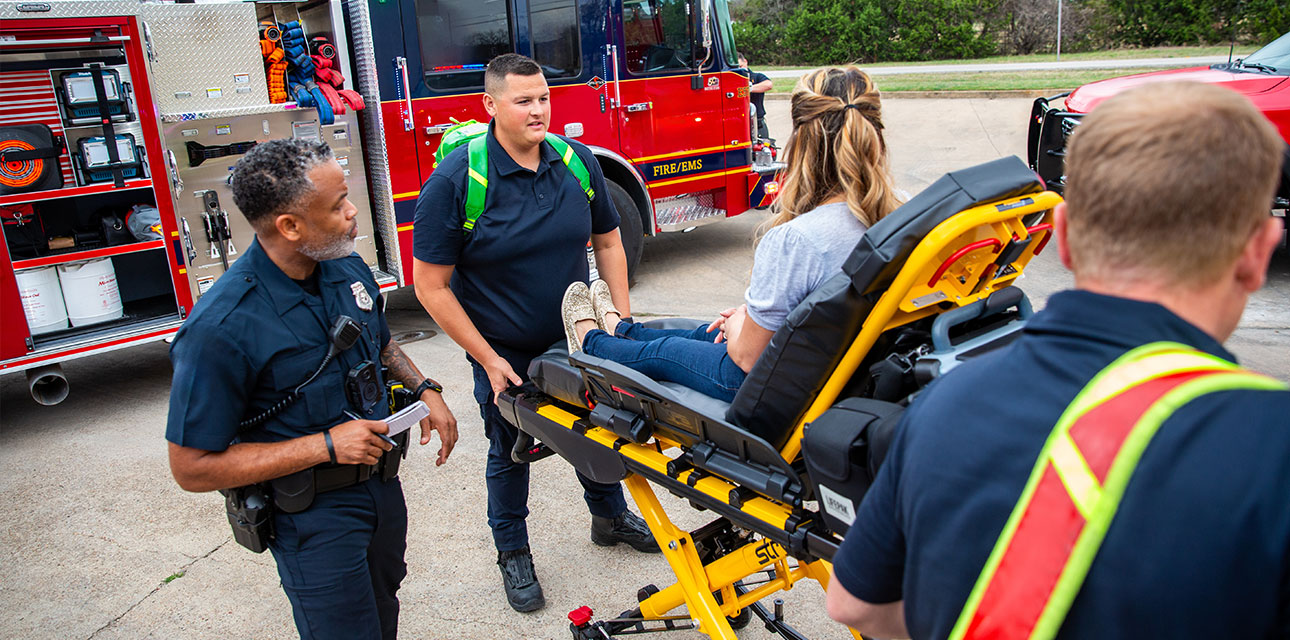
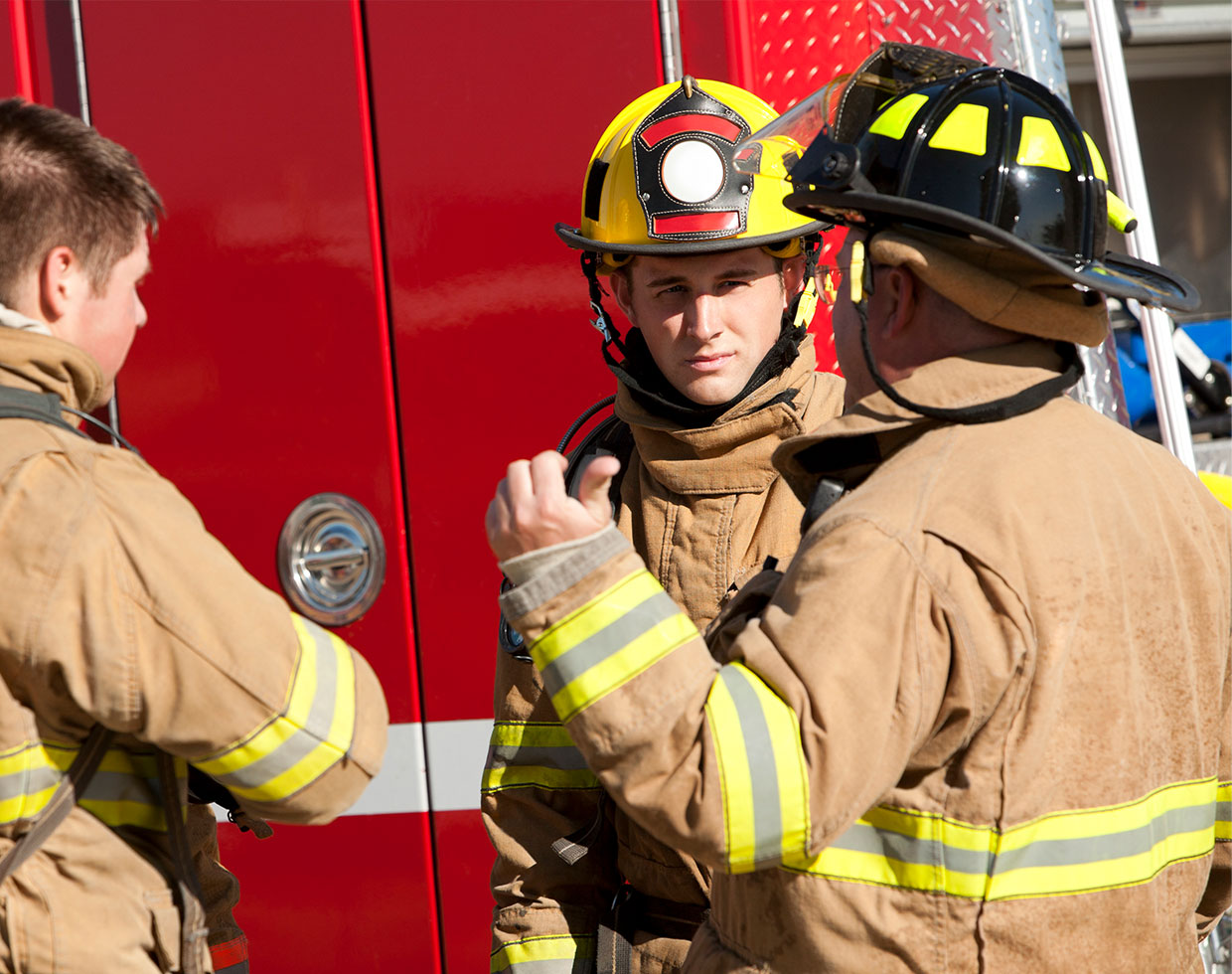
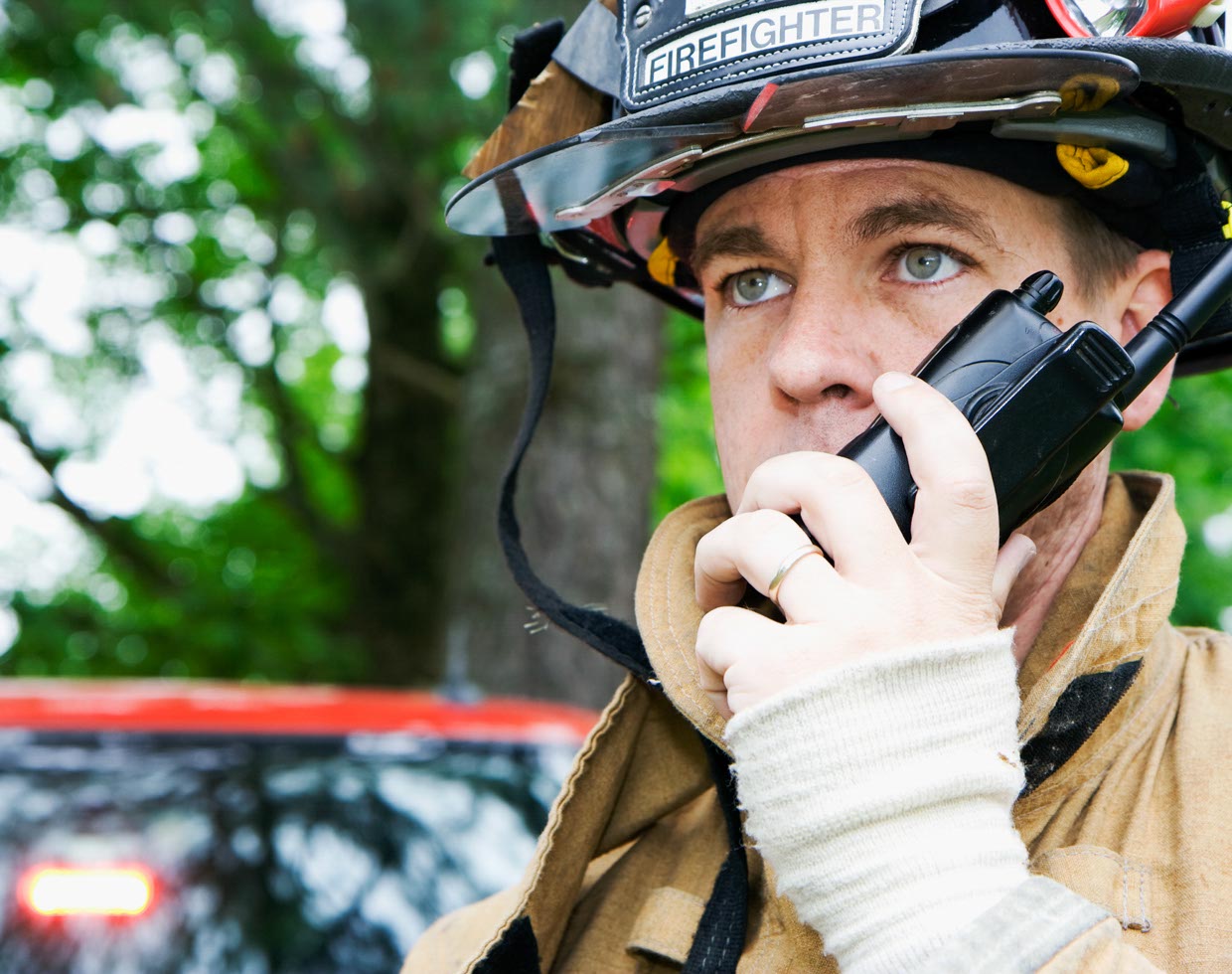
Firefighter/paramedics are often the first to respond when emergencies happen. In this program, you will develop the skills to provide advanced patient care, respond to fires, and protect lives and property. Through hands-on training, you'll learn to think quickly, communicate effectively, and make confident decisions in high-pressure situations.

At Mid-State, you will combine fire service and paramedic training while gaining real-world experience with modern equipment and field-based learning. You'll train alongside experienced instructors and build the technical, medical, and teamwork skills needed for careers in today's emergency services.

Program Facts

Total Credits
65 Credits
Degree Type
Associate in Applied Science (AAS)
Program Length
Two Years
Estimated Program Cost
12803.00
Financial Aid Eligibility
Fully Eligible

Program Outcomes

Graduates leave ready to succeed in their careers. Each year, data from Mid-State's Graduate Survey and statewide reports show consistently high satisfaction and strong starting salaries. Here's a snapshot of what success looks like after graduation.

Career Opportunities

Firefighter
Firefighter/EMT
Firefighter/Paramedic
$51,011
Median Annual Salary
Recent program grads in Wisconsin earned a starting salary of $51,011. Source: Lightcast Data Set
252
Average Monthly Hires
252 of recent Wisconsin program grads landed jobs within six months of graduation. Source: Lightcast Data Set

Program Details

Take a closer look at what the program offers and what to expect.

Following is the list of courses within the program. Your course plan may vary, and you'll get a recommended sequence once you're enrolled. See the program information guide below for full course details or talk with your advisor.

Program Information Guide (PDF)

Full-Time Curriculum (67 Total Credits)

Term 1: (15 Credits)

Course Number

Course Name

Credits

10801136

English Composition I

3

10806177General Anatomy & Physiology

4

30503101Basic Firefighting and Hazmat Ops

4

10809198Introduction to Psychology

3

10890102GPS for Student Success

1

Term 2: (13 Credits)

Course Number

Course Name

Credits

10801198 or 10801196 or 10801197

Speech or Oral/Interpersonal Communication or Technical Reporting

3

10804107College Mathematics

3

10809122 or 10809172 or 10809196

Introduction to American Government or Introduction to Diversity Studies or Introduction to Sociology

3

30503102Advanced Firefighting

2

30503103Firefighter Safety and Survival

2

Term 3: (19 Credits)

Course Number

Course Name

Credits

10531911EMS Fundamental

2

10531912Paramedic Medical Principles

4

10531913Adv. Patient Asses Principles

3

10531914Prehospital Pharmacology

3

10531915Paramedic Respiratory Management

2

10531955Paramedic Cardiology 12
10531918Adv. Emergency Resuscitation1
10531959Paramedic Clinical2
Term 4: (19 Credits)

Course Number

Course Name

Credits

10531956Paramedic Cardiology 2

2

10531919Paramedic Medical Emergencies

4

10531920Paramedic Trauma

3

10531921Special Patient Populations

3

10531922EMS Operations

1

10531923Paramedic Capstone

1

10531957Paramedic Field Experience3
10531958Paramedic Field Leadership1
10531960Paramedic Clinical/Field Prep1

Employers will expect graduates of this program to be able to:

  • Prepare for incident response and EMS operations.
  • Integrate pathophysiological principles and assessment findings to provide appropriate patient care.
  • Demonstrate paramedic skills associated with established standards and procedures for a variety of patient encounters.
  • Communicate effectively with others.
  • Demonstrate professional behavior.
  • Meet state and national competencies listed for paramedic credentialing.
  • Meet professional fire credentialing standards.

Alongside your career training, you'll develop key workplace strengths. Explore the additional skills you'll build.

Employability Skills (PDF)

To succeed in this program, you'll need to meet certain technical standards. These are the key skills and abilities needed for the program and future career success—with or without reasonable accommodations. Be sure to review them carefully before you apply.

Technical Standards (PDF)

This program prepares you for licensure to work in Wisconsin. If you plan to work in another state, be sure to check that state's licensure requirements—Mid-State's program may not meet them all. If you've applied to the program and have any questions about this information, talk to your advisor.

Licensure Information (PDF)

Explore the resources and next steps below. Your academic advisor will help you know what to complete and when.

Criminal Background Form

Career Pathways

Career pathways help you build your education step by step. Each stage offers one or more credentials that are recognized by employers and lead to real jobs—and you can keep building toward your career goals as you go.

Prior Learning

Certificate

Technical Degree

Associate Degree

Bachelor's Degree

Get credit for what you already know. You may be able to earn college credit for prior learning through skills you’ve gained through high school classes, previous college work, self-study, military training, jobs, or volunteer experience.

  1. Credit for Prior Learning
  2. High School Dual Credit
  3. Mid-State Fast-Track – Open to high school students (age requirements apply)

Explore Other Options

Other Programs

Explore more Mid-State programs and find your path to success.

Workforce Training

Not ready for a full degree? Learn job-ready skills with our workforce training options.

Continuing Education

Add a new skill, explore a hobby, or take the next step in your career with our lifelong learning options.

Health & Wellness Promotion

Associate in Applied Science (AAS)

Why Health & Wellness Promotion?

Health and wellness professionals help individuals and communities live healthier, more active lives. In this program, you will learn how to design and implement programs that promote well-being, prevent illness, and encourage lifelong healthy habits. You’ll gain a strong foundation in exercise science, nutrition, and health education to prepare for this growing and impactful field.

At Mid-State, you’ll study in a flexible program that starts every eight weeks, giving you the freedom to begin when you’re ready. You’ll graduate prepared for diverse career opportunities and eligible for multiple national certifications that help you stand out to employers.

Program Facts

Total Credits
61-62 Credits
Degree Type
Associate in Applied Science (AAS)
Program Length
Two Years
Estimated Program Cost
$11,490.87
Financial Aid Eligibility
Fully Eligible

Program Outcomes

Graduates leave ready to succeed in their careers. Each year, data from Mid-State's Graduate Survey and statewide reports show consistently high satisfaction and strong starting salaries. Here's a snapshot of what success looks like after graduation.

Career Opportunities

Community Engagement Specialist
Community Health Worker
Fitness Manager
Health Promotion Coordinator
Wellness Coach
$44,432
Median Annual Salary
Recent program grads in Wisconsin earned a starting salary of $44,432. Source: Lightcast Data Set
580
Average Monthly Hires
580 of recent Wisconsin program grads landed jobs within six months of graduation. Source: Lightcast Data Set
100%
Mid-State Graduate Satisfaction Rate
Students leave proud, prepared, and confident in what comes next. Source: Mid-State Graduate Survey Results

Program Details

Take a closer look at what the program offers and what to expect.

Following is the list of courses within the program. Your course plan may vary, and you'll get a recommended sequence once you're enrolled. See the program information guide below for full course details or talk with your advisor.

Program Information Guide (PDF)

Full-Time Curriculum (61-62 Total Credits)

Credit for Prior Learning (CPL) options are available for some courses.

Term 1: (16 Credits)

Course Number

Course Name

CPL

Credits

10544103

Healthy Aging

Yes

3

10546100

Essential Concepts for Health and Wellness

No

3

10801195 or 10801136

Written Communication or English Composition 1

Yes

3

10809196

Introduction to Sociology

Yes

3

10809198 or 10809188

Introduction to Psychology or Developmental Psychology

Yes

3

10890102

GPS for Student Success

Yes

1

Term 2: (15-16)

Course Number

Course Name

CPL

Credits

10546101

Nutrition for Healthy Living

No

3

10546102

Behavior Change for Wellness

No

3

10546108

Group Fitness Instruction

Yes

3

10801198 or 10801196

Speech or Oral/Interpersonal Communication

Yes

3

10806189 or 10806177

Basic Anatomy or General Anatomy & Physiology

No or Yes

3 or 4

Term 3: (15 Credits)

Course Number

Course Name

CPL

Credits

10102101 or 20806215

Introduction to Business or Environmental Science

Yes

3

10546103

Principles of Physical Conditioning

Yes

3

10546104

Community Health

Yes

3

10546109

Youth Wellness

Yes

3

10546110

Mental Wellness and Stress Management

No

3

Term 4: (15 Credits)

Course Number

Course Name

CPL

Credits

10807205

The Well Traveler

Yes

1

10546107

Health Coaching for the Wellness Professional

Yes

3

10546113

Health Navigator

Yes

3

10546106

Health & Wellness Practicum

Yes

2

10546111

Wellness Marketing and Entrepreneurship

No

3

10809166 or 10809172

 Introduction to Ethics: Theory & Application or Introduction to Diversity Studies

Yes

3

Meet our full-time instructors.

Carrie Jarosinski, AAS, BSN, MSN, DNP
Dr. Jarosinski earned her doctor of nursing practice degree in systems leadership from Walden University. A nurse by trade, she has worked with older adults in long-term care and the maternal child health population in public health. To keep her skills current she participates in local and national population health-focused boards and coalitions and maintains her wellness practitioner certification through the Wellness Alliance.

“I love to see students maximizing their potential in everyday class interactions and applying their new-found knowledge to further the health of their own community.”

Employers will expect graduates of this program to be able to:

  • Provide evidence-based health and wellness direction to individuals and organizations.
  • Design, develop, and implement health and wellness promotion activities and campaigns.
  • Champion behavior modification interventions to promote sustainable health and wellness.
  • Support the maintenance of health and wellness promotion for individuals and organizations.

Alongside your career training, you'll develop key workplace strengths. Explore the additional skills you'll build.

Employability Skills (PDF)

To succeed in this program, you'll need to meet certain technical standards. These are the key skills and abilities needed for the program and future career success—with or without reasonable accommodations. Be sure to review them carefully before you apply.

Technical Standards (PDF)

Explore the resources and next steps below. Your academic advisor will help you know what to complete and when.

Criminal Background Form

Career Pathways

Career pathways help you build your education step by step. Each stage offers one or more credentials that are recognized by employers and lead to real jobs—and you can keep building toward your career goals as you go.

Prior Learning

Certificate

Technical Degree

Associate Degree

Bachelor's Degree

Get credit for what you already know. You may be able to earn college credit for prior learning through skills you’ve gained through high school classes, previous college work, self-study, military training, jobs, or volunteer experience.

  1. Credit for Prior Learning
  2. High School Dual Credit
  3. Mid-State Fast-Track – Open to high school students

Explore Other Options

Other Programs

Explore more Mid-State programs and find your path to success.

Workforce Training

Not ready for a full degree? Learn job-ready skills with our workforce training options.

Continuing Education

Add a new skill, explore a hobby, or take the next step in your career with our lifelong learning options.

Emergency Services Management

Associate in Applied Science (AAS)

Why Emergency Services Management?

Emergency services managers provide leadership and direction during crises, ensuring safety, coordination, and effective response. In this program, you will learn how to lead emergency teams, manage resources, and maintain public safety while strengthening relationships within the community. You will build the skills needed to make strategic decisions under pressure and guide others through challenging situations.

At Mid-State, this fully online program is designed to meet the needs of working firefighters and EMS professionals. You’ll gain credit for prior learning and work experience while preparing to advance your career or continue toward a bachelor’s degree.

Program Facts

Total Credits
61 Credits
Degree Type
Associate in Applied Science (AAS)
Program Length
Two Years
Estimated Program Cost
$11,512.74
Financial Aid Eligibility
Fully Eligible

Program Outcomes

Graduates leave ready to succeed in their careers. Each year, data from Mid-State's Graduate Survey and statewide reports show consistently high satisfaction and strong starting salaries. Here's a snapshot of what success looks like after graduation.

Career Opportunities

Assistant Chief
Captain/Lieutenant
Chief
EMS Supervisor
$84,210
Median Annual Salary
Recent program grads in Wisconsin earned a starting salary of $84,210. Source: Lightcast Data Set
34
Average Monthly Hires
34 of recent Wisconsin program grads landed jobs within six months of graduation. Source: Lightcast Data Set
100%
Mid-State Graduate Satisfaction Rate
Students leave proud, prepared, and confident in what comes next. Source: Mid-State Graduate Survey Results

Program Details

Take a closer look at what the program offers and what to expect.

Following is the list of courses within the program. Your course plan may vary, and you'll get a recommended sequence once you're enrolled. See the program information guide below for full course details or talk with your advisor.

Program Information Guide (PDF)

Full-Time Curriculum (61 Total Credits)

Credit for Prior Learning (CPL) options are available for some courses.

Term 1: (17 Credits)

Course Number

Course Name

CPL

Credits

10503123

Occupational Safety and Health for Emergency Services

No

3

10503121

Emergency Services Safety and Survival

No

2

10503143 or 10531170

Building Construction for Fire Protection or Intro to Evidence-Based EMS

No

3

10196135

Conflict Resolution

No

3

10546112

Mental Wellness for Emergency Services

No

2

10801136

English Composition 1

Yes

3

10890102

GPS for Student Success

Yes

1

Term 2: (16 Credits)

Course Number

Course Name

CPL

Credits

10503122

Principles of Emergency Services Administration

Yes

4

10546100

Essential Concepts for Health and Wellness

No

3

10503195 or 10531171

Fire Behavior & Combustion or EMS Leadership Challenges

No

3

10804107 or 10806189

College Mathematics or Basic Anatomy

Yes or No

3

10809166

Introduction to Ethics: Theory & Application

Yes

3

Term 3: (15 Credits)

Course Number

Course Name

CPL

Credits

10503124

Emergency Services Instructor

Yes

3

10503125

Personnel Management for Emergency Services

No

3

10503126

Legal Aspects of Emergency Services

No

3

10503127

Community Risk Reduction

No

3

10809198

Introduction to Psychology

Yes

3

Term 4: (13 Credits)

Course Number

Course Name

CPL

Credits

10503128

Public Information and Community Relations Strategies, Tactics, & Incident Management or Complex Mass Casualty Incidents

No

3

10503156 or 10531173

Strategies, Tactics, & Incident Management or Complex Mass Casualty Incidents

No

4

10801198 or 10801196

Speech or Oral/Interpersonal Communication

Yes

3

10809122 or 10809172 or 10809196

Introduction to American Government or Introduction to Diversity Studies or Introduction to Sociology

Yes

3

Employers will expect graduates of this program to be able to:

  • Demonstrate the professional responsibilities of a fire or emergency services manager.
  • Demonstrate critical and creative thinking in the problem-solving process.
  • Apply research and best practices in the fire or emergency services  professions.
  • Demonstrate the professional attributes necessary for a fire or emergency services manager to lead effectively.
  • Apply the legal, ethical, and regulatory standards that relate to the fi re or emergency services.

Alongside your career training, you'll develop key workplace strengths. Explore the additional skills you'll build.

Employability Skills (PDF)

To succeed in this program, you'll need to meet certain technical standards. These are the key skills and abilities needed for the program and future career success—with or without reasonable accommodations. Be sure to review them carefully before you apply.

Technical Standards (PDF)

Career Pathways

Career pathways help you build your education step by step. Each stage offers one or more credentials that are recognized by employers and lead to real jobs—and you can keep building toward your career goals as you go.

Prior Learning

Certificate

Technical Degree

Associate Degree

Bachelor's Degree

Get credit for what you already know. You may be able to earn college credit for prior learning through skills you’ve gained through high school classes, previous college work, self-study, military training, jobs, or volunteer experience.

  1. Credit for Prior Learning
  2. High School Dual Credit
  3. Mid-State Fast-Track – Open to high school students

Explore Other Options

Other Programs

Explore more Mid-State programs and find your path to success.

Workforce Training

Not ready for a full degree? Learn job-ready skills with our workforce training options.

Continuing Education

Add a new skill, explore a hobby, or take the next step in your career with our lifelong learning options.

Early Childhood Education

Associate in Applied Science (AAS)

Why Early Childhood Education?

Early childhood educators shape the foundation for lifelong learning by nurturing curiosity, confidence, and social-emotional growth in young children. In this program, you will learn to create engaging, developmentally appropriate experiences in literacy, math, science, art, and music. You will gain the skills and knowledge to meet Wisconsin’s licensing requirements and become a trusted professional in this rewarding, high-demand field.

At Mid-State, you’ll study the Wisconsin Pyramid Model and Wisconsin Model Early Learning Standards while applying best practices through hands-on learning. You’ll graduate ready to support children, families, and communities—or continue your education toward a bachelor’s degree.

Program Facts

Total Credits
61-62 Credits
Degree Type
Associate in Applied Science (AAS)
Program Length
Two Years
Estimated Program Cost
$11,104.53
Financial Aid Eligibility
Fully Eligible

Program Outcomes

Graduates leave ready to succeed in their careers. Each year, data from Mid-State's Graduate Survey and statewide reports show consistently high satisfaction and strong starting salaries. Here's a snapshot of what success looks like after graduation.

Career Opportunities

Child Care Center Teacher
Director of a Child Care Center
Early Head Start Teacher
Family Child Care Owner
$35,273
Median Annual Salary
Recent program grads in Wisconsin earned a starting salary of $35,273. Source: Lightcast Data Set
3,298
Average Monthly Hires
3,298 of recent Wisconsin program grads landed jobs within six months of graduation. Source: Lightcast Data Set
100%
Mid-State Graduate Satisfaction Rate
Students leave proud, prepared, and confident in what comes next. Source: Mid-State Graduate Survey Results

Program Details

Take a closer look at what the program offers and what to expect.

Following is the list of courses within the program. Your course plan may vary, and you'll get a recommended sequence once you're enrolled. See the program information guide below for full course details or talk with your advisor.

Program Information Guide (PDF)

Full-Time Curriculum (61-62 Total Credits)

Credit for Prior Learning (CPL) options are available for some courses.

Term 1: (16 Credits)

Course Number

Course Name

CPL

Credits

10801195 or 10801136

Written Communication or English Composition 1

Yes

3

10307148

ECE: Foundations of ECE

Yes

3

10307110

ECE: Soc S, Art & Music

No

3

10307167

ECE: Health, Safety, and Nutrition

Yes

3

10307160

ECE: Field Experience 1

Yes

3

10890102

GPS for Student Success

Yes

1

Term 2: (15 Credits)

Course Number

Course Name

CPL

Credits

10801198 or 10801196

Speech or Oral/Interpersonal Communication

Yes

3

10307108

ECE: Early Language & Literacy

No

3

10307151

ECE: Infant and Toddler Development

Yes

3

10307188

ECE: Guiding Child Behavior

Yes

3

10307170

ECE: Field Experience 2

No

3

Term 3: (15 Credits)

Course Number

Course Name

CPL

Credits

10809172 or 10809196

Introduction to Diversity Studies or Introduction to Sociology

Yes

3

10809198 or 10809188

Introduction to Psychology or Developmental Psychology

Yes

3

10307179

ECE: Child Development

Yes

3

10307187

ECE: Children with Differing Abilities

Yes

3

10307190

ECE: Field Experience 3

No

3

Term 4: (15 or 16)

Course Number

Course Name

CPL

Credits

10809166 or 10809122

Introduction to Ethics: Theory & Application or Introduction to
American Government

Yes

3

10804107 or 10804118

College Mathematics or Intermediate Algebra with Applications

Yes

3 or 4

10307112

ECE: STEM

No

3

10307195

ECE: Family and Community Relationships

No

3

10307210

ECE: Field Experience 4

No

3

Meet our full-time instructors.

Jill Przekurat, BS, MA
Jill has a bachelor's in early childhood education from UW–Stevens Point and a master's in education from Saint Mary's University of Minnesota. She has taught 4K, kindergarten, and first grade and holds a Wisconsin DPI teaching license. A Wisconsin Pyramid Model Trainer, she is passionate about supporting educators, mentoring new teachers, and encouraging lifelong learning, believing that play and positive early experiences build the foundation for success. 

“I joined Mid-State Technical College because I wanted to broaden my impact on early childhood education. I strongly believe that positive and enriching early childhood experiences lead to a healthy and successful life. And I agree with Plato: ‘Life must be lived as play.’”

Employers will expect graduates of this program to be able to:

  • Apply child development theory to practice.
  • Cultivate relationships with children, families, and the community.
  • Assess child growth and development.
  • Use effective, research-based best practices in teaching and learning.
  • Demonstrate professionalism.
  • Integrate health, safety, and nutrition practices.

Alongside your career training, you'll develop key workplace strengths. Explore the additional skills you'll build.

Employability Skills (PDF)

To succeed in this program, you'll need to meet certain technical standards. These are the key skills and abilities needed for the program and future career success—with or without reasonable accommodations. Be sure to review them carefully before you apply.
Technical Standards (PDF)

Explore the resources and next steps below. Your academic advisor will help you know what to complete and when.

Criminal Background Form

Career Pathways

Career pathways help you build your education step by step. Each stage offers one or more credentials that are recognized by employers and lead to real jobs—and you can keep building toward your career goals as you go.

Prior Learning

Certificate

Technical Degree

Associate Degree

Bachelor's Degree

Get credit for what you already know. You may be able to earn college credit for prior learning through skills you’ve gained through high school classes, previous college work, self-study, military training, jobs, or volunteer experience.

  1. Credit for Prior Learning
  2. High School Dual Credit
  3. Mid-State Fast-Track – Open to high school students (age requirements apply)

Explore Other Options

Other Programs

Explore more Mid-State programs and find your path to success.

Workforce Training

Not ready for a full degree? Learn job-ready skills with our workforce training options.

Continuing Education

Add a new skill, explore a hobby, or take the next step in your career with our lifelong learning options.

Dental Hygienist

Associate in Applied Science (AAS)

Why Dental Hygienist?

Dental hygienists help patients achieve healthier smiles and better overall health. In this program, you will develop the clinical skills to prevent oral disease, educate patients, and provide high-quality dental care. Through hands-on learning, you'll combine science, technology, and compassionate care to make a lasting impact on patients of all ages.

At Mid-State, you will train in a state-of-the-art dental science lab and clinical setting using industry-standard equipment and technology. You'll gain supervised patient care experience while building the confidence, technical skills, and professional judgment needed for licensure and a successful career in dental hygiene.

Program Facts

Total Credits
68 Credits
Degree Type
Associate in Applied Science (AAS)
Program Length
Two Years
Estimated Program Cost
$14,207.27
Financial Aid Eligibility
Fully Eligible

Program Outcomes

Graduates leave ready to succeed in their careers. Each year, data from Mid-State's Graduate Survey and statewide reports show consistently high satisfaction and strong starting salaries. Here's a snapshot of what success looks like after graduation.

Career Opportunities

Dental Hygienist
Dental Treatment Coordinator
Dental Sales Representative
$83,847
Median Annual Salary
Recent program grads in Wisconsin earned a starting salary of $83,847. Source: Lightcast Data Set
150
Average Monthly Hires
150 of recent Wisconsin program grads landed jobs within six months of graduation. Source: Lightcast Data Set

Program Details

Take a closer look at what the program offers and what to expect.

Your course plan may vary, and you'll get a recommended sequence once you're enrolled. See the program information guide below for full course details or talk with your advisor.

Program Information Guide (PDF)

Full-Time Curriculum (68 Total Credits)

Credit for Prior Learning (CPL) options are available for some courses.

Term 1: (13 Credits)

Course Number

Course Name

CPL

Credits

10806177

General Anatomy & Physiology

No

4

10806186

Intro to Biochemistry

No

4

10806197

Microbiology

Yes

4

10890102

GPS for Student Success

Yes

1

Term 2: (14 Credits)

Course Number

Course Name

CPL

Credits

31508301

Dental Health Safety

No

1

10809196

Introduction to Sociology

Yes

3

10508102

Oral Anatomy, Embryology, Histology

No

4

10508103

Dental Radiography

No

2

10508105

Dental Hygiene Process 1

No

4

Term 3: (14 Credits)

Course Number

Course Name

CPL

Credits

10508106

Dental Process 2

No

4

10508107

Dental Hygiene Ethics and Professionalism

No

1

10508108

Periodontology

No

3

10508109

Cariology

No

1

10508110

Nutrition and Dental Health

No

2

10508111

General & Oral Pathology

No

3

Term 4: (14 Credits)

Course Number

Course Name

CPL

Credits

10508112

Dental Hygiene Process 3

No

5

10508113

Dental Materials

No

2

10508114

Dental Pharmacology

No

2

10508115

Community Dental Health

No

2

10809198

Introduction to Psychology

Yes

3

Term 5: (13 Credits)

Course Number

Course Name

CPL

Credits

10508117

Dental Hygiene Process 4

No

4

10508118

Dental Anxiety/Pain Management

No

2

10801198 or 10801196

Speech or Oral/Interpersonal Communication

Yes

3

10508130

Dental Hygiene Transition into Practice

No

1

10801195 or 10801136

Written Communication or English Composition 1

Yes

3

Meet our full-time instructors.

Brenda Alberts, MEd, RDH, CDA, EFDA, AEMT
Brenda is a registered dental hygienist and certified dental assistant with a master of arts in education/teacher leadership from Silver Lake College. She also holds a bachelor of science in career and technical education and training from UW-Stout and an AAS in dental hygiene from Northeast Wisconsin Technical College (NWTC), as well as licensure and technical diplomas in EMT and advanced EMT. Her national certifications include CPR, local anesthesia, nitrous oxide, and standard proficiency laser. Brenda’s 20 years of dental experience include roles as a dental hygienist and assistant. She has previously taught in the dental hygiene and dental assisting programs at NWTC and Northcentral Technical College. She continues to practice dental hygiene during summer and winter breaks to stay current in the field.

“I love everything dental, and I love teaching at Mid-State! I am here to help students achieve their goals.”

Employers will expect graduates of this program to be able to:

  • Provide comprehensive, patient-centered dental hygiene care using the dental hygiene process of care.
  • Assess patient health histories, oral health conditions, and risk factors to support accurate dental hygiene diagnoses and individualized care planning.
  • Develop evidence-based dental hygiene care plans that promote oral and overall health across the lifespan.
  • Implement preventive, therapeutic, and educational interventions within the dental hygienist's scope of practice.
  • Evaluate patient outcomes and modify dental hygiene care plans based on assessment findings and evidence-based practice.
  • Apply current scientific evidence, critical thinking, and clinical judgment to support safe and effective patient care.
  • Demonstrate ethical, legal, and professional behavior consistent with the standards of the dental hygiene profession.
  • Communicate effectively with patients, families, and members of the interprofessional healthcare team.
  • Promote health equity through culturally responsive care, patient education, and community oral health initiatives.
  • Integrate infection prevention, safety protocols, and quality assurance principles into all aspects of clinical practice.
  • Utilize current technologies, informatics, and emerging innovations to enhance patient care and professional practice.
  • Collaborate with dentists and other healthcare professionals to improve patient outcomes and access to oral healthcare.
  • Advocate for oral health promotion, disease prevention, and increased access to care for diverse populations.
  • Engage in lifelong learning, self-assessment, and professional development to maintain competence and support continued growth.
  • Demonstrate leadership, accountability, and professionalism in clinical practice, community service, and the dental hygiene profession.

Alongside your career training, you'll develop key workplace strengths. Explore the additional skills you'll build.

Employability Skills (PDF)

To succeed in this program, you'll need to meet certain technical standards. These are the key skills and abilities needed for the program and future career success—with or without reasonable accommodations. Be sure to review them carefully before you apply.
Technical Standards (PDF)

This program prepares you for licensure to work in Wisconsin. If you plan to work in another state, be sure to check that state's licensure requirements—Mid-State's program may not meet them all. If you've applied to the program and have any questions about this information, talk to your advisor.

Licensure Information (PDF)

Explore the resources and next steps below. Your academic advisor will help you know what to complete and when.

Background Information Disclosure (BID)

Career Pathways

Career pathways help you build your education step by step. Each stage offers one or more credentials that are recognized by employers and lead to real jobs—and you can keep building toward your career goals as you go.

Prior Learning

Certificate

Technical Degree

Associate Degree

Bachelor's Degree

Get credit for what you already know. You may be able to earn college credit for prior learning through skills you’ve gained through high school classes, previous college work, self-study, military training, jobs, or volunteer experience.

  1. Credit for Prior Learning
  2. High School Dual Credit
  3. Mid-State Fast-Track – Open to high school students (age requirements apply)

Quality You Can Trust

Program accreditation means your program meets high-quality standards recognized by employers and industry leaders. It ensures your education is respected, your credits are more likely to transfer, and your credential holds real value in the job market.

The Dental Hygienist program is accredited by the American Dental Association Commission on Dental Accreditation (CODA) and has been granted the accreditation status of Initial Accreditation.

American Dental Association
Commission on Dental Accreditation
401 North Michigan Avenue
Suite 3300
Chicago, IL 60611-4250


File a complaint against CODA or a CODA-accredited education program at https://www.ada.org/en/coda/policies-and-guidelines/file-a-complaint.

Explore Other Options

Other Programs

Explore more Mid-State programs and find your path to success.

Workforce Training

Not ready for a full degree? Learn job-ready skills with our workforce training options.

Continuing Education

Add a new skill, explore a hobby, or take the next step in your career with our lifelong learning options.