Surgical Technology

Associate in Applied Science (AAS)

Why Surgical Technology?

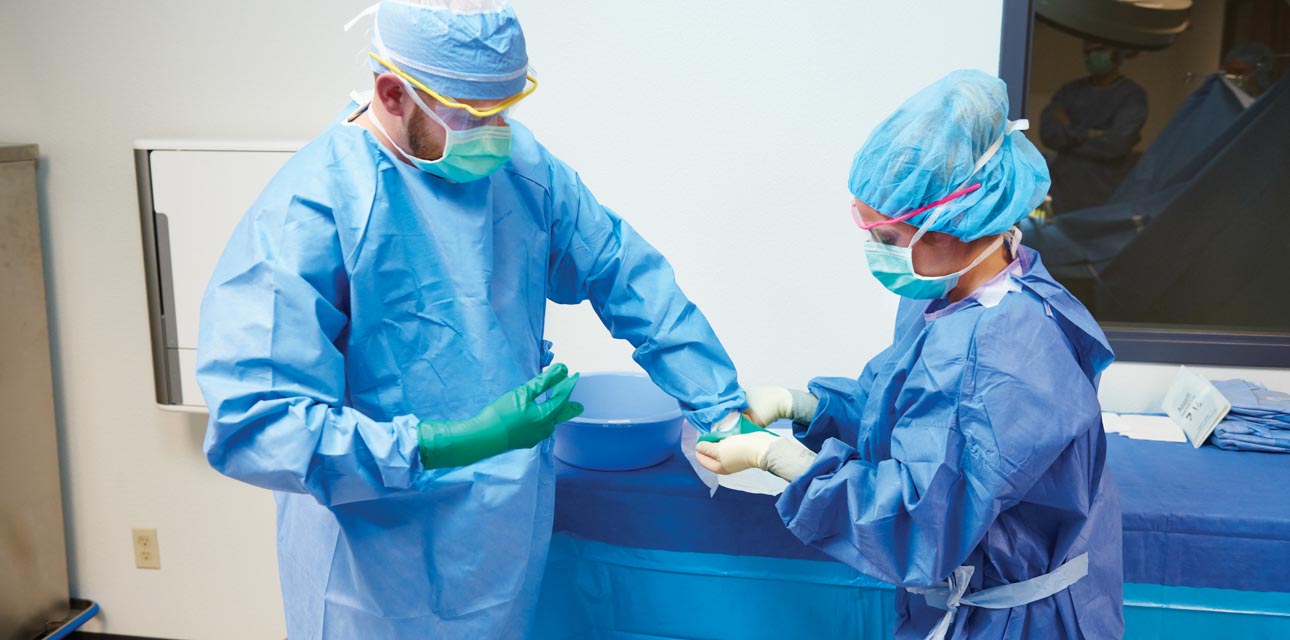
Surgical technologists are essential members of the operating room team, working alongside surgeons and nurses to ensure procedures run smoothly and safely. In this program, you’ll learn how to prepare operating rooms, manage sterile instruments and supplies, and support surgical teams before, during, and after procedures. Your ability to anticipate needs and stay focused under pressure plays a critical role in successful surgical outcomes.

At Mid-State, you’ll build technical skills through classroom instruction, lab training, and hands-on clinical experiences in hospitals, ambulatory centers, and sterile processing environments. Students benefit from hands-on simulation experiences in the Healthcare Simulation Center that enhance and support their clinical training. The program prepares you to work confidently in surgical settings and culminates in eligibility to earn the Certified Surgical Technologist (CST) credential after successful completion of the certification exam.

Program Facts

Total Credits
63 Credits
Degree Type
Associate in Applied Science (AAS)
Program Length
Two Years
Estimated Program Cost
$11,979.57
Financial Aid Eligibility
Fully Eligible

Program Outcomes

Graduates leave ready to succeed in their careers. Each year, data from Mid-State's Graduate Survey and statewide reports show consistently high satisfaction and strong starting salaries. Here's a snapshot of what success looks like after graduation.

Career Opportunities

GI Technician
OB Technologist (Birth Center)
Ophthalmic Assistant
Surgical Technologist (Clinical Setting, Operating Room, Ambulatory Surgery Center, Dermatology/ MOHS Surgery, or Oral Surgery)
Vascular/Cath Lab Surgical Technologist
$65,874
Median Annual Salary
Recent program grads in Wisconsin earned a starting salary of $65,874. Source: Lightcast Data Set
112
Average Monthly Hires
112 of recent Wisconsin program grads landed jobs within six months of graduation. Source: Lightcast Data Set
100%
Mid-State Graduate Satisfaction Rate
Students leave proud, prepared, and confident in what comes next. Source: Mid-State Graduate Survey Results

Program Details

Take a closer look at what the program offers and what to expect.

Following is the list of courses within the program. Your course plan may vary, and you'll get a recommended sequence once you're enrolled. See the program information guide below for full course details or talk with your advisor.

Program Information Guide (PDF)

Full-Time Curriculum (63 Total Credits)

Credit for Prior Learning (CPL) options are available for some courses.

Prerequisite: (4 Credits)

Course Number

Course Name

CPL

Credits

10806177

General Anatomy & Physiology

Yes

4

Term 1: (14 Credits)

Course Number

Course Name

CPL

Credits

10501101

Medical Terminology

Yes

3

10512125

Intro to Surgical Technology

No

4

10512126

Surgical Tech Fundamentals 1

No

4

10512127

Exploring Surgical Issues

Yes

2

10890102

GPS for Student Success

Yes

1

Term 2: (15 Credits)

Course Number

Course Name

CPL

Credits

10512128

Surgical Tech Fundamentals 2

No

4

10512129

Surgical Pharmacology

Yes

2

10512130

Surgical Skills Application

Yes

2

10806197

Microbiology

Yes

4

10801195 or 10801136

Written Communication or English Composition 1

Yes

3

Term 3: (16 Credits)

Course Number

Course Name

CPL

Credits

10512131

Surgical Interventions I

No

4

10512132

Surgical Technology Clinical 1

No

3

10512133

Surgical Technology Clinical 2

No

3

10801198 or 10801196

Speech or Oral/Interpersonal Communication

Yes

3

10809122 or 10809172 or 10809196

Introduction to American Government or Introduction to Diversity Studies or Introduction to Sociology

Yes

3

Term 4: (14 Credits)

Course Number

Course Name

CPL

Credits

10512135

Surgical Technology Clinical 3

No

3

10512136

Surgical Technology Clinical 4

Yes

3

10512142

Surgical Interventions II

No

4

10809198 or 10809188

Introduction to Psychology or Developmental Psychology

Yes

3

10512100CST Exam Prep CourseNo1

Meet our full-time instructors.

Nancy Dupee, AAS
Nancy earned her associate in applied science from Mid-State Technical College and is a Certified Surgical Technologist and Certified First Assistant. Her experience includes over 16 years as a clinical coordinator and assisting in lab preparation in the Surgical Technologist program at Mid-State.

“Being a teacher has many rewards, especially the pride I feel when each student has completed the program and walks across the stage to receive their much-deserved diploma.”

Amber Sanders, AS, BS, CST
Amber graduated from UW–Stout with a bachelor of science in career and technical education. She is a certified surgical technologist (CST) with over 13 years of hands-on experience in the operating room and five years serving as a clinical aide for the program. She continues to work in surgery alongside her teaching, ensuring she is able to bring current, real-world practices directly into the classroom and maintain strong connections with local hospitals and surgical teams.

“Teaching surgical technology is incredibly meaningful to me. The most rewarding part is witnessing a student's growth in their skills and confidence, as well as seeing their eyes light up when they grasp a concept and have an aha ‘light bulb’ moment.”

Employers will expect graduates of this program to be able to:

  • Apply health care and technological science principles to the perioperative environment.
  • Maintain principles of sterile technique in the surgical environment.
  • Provide a safe, efficient, and supportive environment for the patient.
  • Prepare the patient, operating room, and surgical team for the preoperative phase.
  • Perform intraoperative case management in the scrub role.
  • Perform postoperative case management.
  • Function as an ethical, legal, and professional member of the health care team as determined by governing bodies.

Alongside your career training, you'll develop key workplace strengths. Explore the additional skills you'll build.

Employability Skills (PDF)

To succeed in this program, you'll need to meet certain technical standards. These are the key skills and abilities needed for the program and future career success—with or without reasonable accommodations. Be sure to review them carefully before you apply.

Technical Standards (PDF)

Explore the resources and next steps below. Your academic advisor will help you know what to complete and when.

Criminal Background Form

Surgical Technology Program Handbook (PDF)

Occupational Risks
Surgical Technologists work directly with providers and patients, with the goal of providing health care and ensuring patient safety. They can perform both administrative and clinical services, filling several roles in a variety of healthcare environments. As with any healthcare position, there are certain occupational risks or hazards while performing their duties, including the following:

  • Exposure to infectious diseases
  • Sharps injuries
  • Blood-borne pathogens and biological hazards
  • Chemical and drug exposure
  • Ergonomic hazards from lifting, sitting, and repetitive tasks
  • Latex allergies
  • Stress

Nevertheless, there are protections set up by the Occupational Safety and Health Administration (OSHA), and those protections are particularly important within a healthcare environment. OSHA has a series of standards that protect the safety of healthcare workers and patients. As an accredited program, Mid-State Technical College’s Surgical Technology program teaches students about the hazards they may face on the job and protocols that can be put into place to ensure a workplace culture that prioritizes safety.

If a student has an exposure, the student must immediately notify the Program Director and clinical site supervisor. The supervisor will complete the Bloodborne Pathogen Exposure Report. The Program Director will contact the Dean of Allied Health. The Dean will complete the First Report of Injury Form with the student.

Career Pathways

Career pathways help you build your education step by step. Each stage offers one or more credentials that are recognized by employers and lead to real jobs—and you can keep building toward your career goals as you go.

Prior Learning

Certificate

Technical Degree

Associate Degree

Bachelor's Degree

Get credit for what you already know. You may be able to earn college credit for prior learning through skills you’ve gained through high school classes, previous college work, self-study, military training, jobs, or volunteer experience.

  1. Credit for Prior Learning
  2. High School Dual Credit
  3. Mid-State Fast-Track – Open to high school students

Explore Other Options

Other Programs

Explore more Mid-State programs and find your path to success.

Workforce Training

Not ready for a full degree? Learn job-ready skills with our workforce training options.

Continuing Education

Add a new skill, explore a hobby, or take the next step in your career with our lifelong learning options.


Substance Use Disorder Counselor (SUDC)

Associate in Applied Science (AAS)

Why Substance Use Disorder Counselor (SUDC)?

Substance use disorder counselors are a critical connection between addiction and recovery. In this program, you’ll learn how counselors support individuals struggling with substance use through assessment, counseling, treatment planning, and ongoing support. You’ll explore how addiction impacts individuals and families while developing the skills needed to help clients recognize triggers, build coping strategies, and move toward lasting change.

At Mid-State, you’ll gain preparation for entry-level counseling roles in healthcare, treatment centers, and community-based organizations. Offered as a shared program with Nicolet Technical College, the curriculum emphasizes ethical practice, client rights, group facilitation, crisis response, and professional communication. Graduates are prepared to work as part of a treatment team and meet requirements for Wisconsin Substance Abuse Counselor-in-Training (SAC-IT) certification.

Program Facts

Total Credits
67 Credits
Degree Type
Associate in Applied Science (AAS)
Program Length
Two Years
Estimated Program Cost
$12,811.00
Financial Aid Eligibility
Fully Eligible

Program Outcomes

Graduates leave ready to succeed in their careers. Each year, data from Mid-State's Graduate Survey and statewide reports show consistently high satisfaction and strong starting salaries. Here's a snapshot of what success looks like after graduation.

Career Opportunities

Resident Manager
Residential SUDC Counselor
Substance Use Disorder Counselor (SUDC)
SUDC Counselor Aide
Treatment Counselor
$62,430
Median Annual Salary
Recent program grads in Wisconsin earned a starting salary of $62,430. Source: Lightcast Data Set
512
Average Monthly Hires
512 of recent Wisconsin program grads landed jobs within six months of graduation. Source: Lightcast Data Set

Program Details

Take a closer look at what the program offers and what to expect.

Following is the list of courses within the program. Your course plan may vary, and you'll get a recommended sequence once you're enrolled. See the program information guide below for full course details or talk with your advisor.

Program Information Guide (PDF)

Full-Time Curriculum (67 Total Credits)

Credit for Prior Learning (CPL) options are available for some courses.

Term 1: (16 Credits)

Course Number

Course Name

CPL

Credits

10550201

Understanding Substance Use

No

3

10550206

Introduction Interviewing and Counseling Skills

No

3

10801195

Written Communication

Yes

3

10806198

Human Biology

No

4

10809198

Introduction to Psychology

Yes

3

Term 2: (18 Credits)

Course Number

Course Name

CPL

Credits

10550202

Foundations of Case Management

No

3

10550204

Group Facilitation

No

3

10550207

Psychopharmacology

No

3

10550209

Family Systems

No

3

10550210

Boundaries and Ethics for the Helping Profession

No

3

10809159

Abnormal Psychology

No

3

Term 3: (18 Credits)

Course Number

Course Name

CPL

Credits

10550200

Intro to Substance Use Disorder Profession

No

3

10550203

Overview of Mental Health Disorders

No

3

10550205

Counseling Theory

No

3

10550208

SUDC Assessment Diagnosis and Treatment

No

3

10550211

Clinical Experience 1

No

3

10801196

Oral Interpersonal Communication

Yes

3

Term 4: (15 Credits)

Course Number

Course Name

CPL

Credits

10550122

Across the Lifespan

No

3

10550212

Clinical Experience 2

No

3

10809188

Developmental Psychology

Yes

3

10809172

Introduction to Diversity Studies

Yes No

3

 ElectiveElectiveNo3

Employers will expect graduates of this program to be able to:

  • Apply personal wellness strategies for the helping professions.
  • Counsel clients.
  • Develop individualized treatment plans.
  • Develop professional relationships with clients.
  • Display professional conduct in the clinical setting.
  • Evaluate client for SUD treatment.
  • Facilitate client referrals.
  • Produce professional SUDC documentation.
  • Provide education relevant to substance use and recovery.

Alongside your career training, you'll develop key workplace strengths. Explore the additional skills you'll build.

Employability Skills (PDF)

To succeed in this program, you'll need to meet certain technical standards. These are the key skills and abilities needed for the program and future career success—with or without reasonable accommodations. Be sure to review them carefully before you apply.

Technical Standards (PDF)

This program prepares you for licensure to work in Wisconsin. If you plan to work in another state, be sure to check that state's licensure requirements—Mid-State's program may not meet them all. If you've applied to the program and have any questions about this information, talk to your advisor.

Licensure Information (PDF)

Explore the resources and next steps below. Your academic advisor will help you know what to complete and when.

US Citizenship
US Citizenship is required to sit for this licensure exam.

Career Pathways

Career pathways help you build your education step by step. Each stage offers one or more credentials that are recognized by employers and lead to real jobs—and you can keep building toward your career goals as you go.

Prior Learning

Certificate

Technical Degree

Associate Degree

Bachelor's Degree

Get credit for what you already know. You may be able to earn college credit for prior learning through skills you’ve gained through high school classes, previous college work, self-study, military training, jobs, or volunteer experience.

  1. Credit for Prior Learning
  2. High School Dual Credit
  3. Mid-State Fast-Track – Open to high school students (age requirements apply)

Explore Other Options

Other Programs

Explore more Mid-State programs and find your path to success.

Workforce Training

Not ready for a full degree? Learn job-ready skills with our workforce training options.

Continuing Education

Add a new skill, explore a hobby, or take the next step in your career with our lifelong learning options.
Respiratory Therapy

Associate in Applied Science (AAS)

Why Respiratory Therapy?

Respiratory therapists help patients breathe easier when it matters most. In this program, you’ll learn to care for individuals with acute and chronic cardiopulmonary conditions, from premature infants with underdeveloped lungs to older adults with respiratory disease. You’ll also gain experience responding to medical emergencies, supporting patients through trauma, and improving quality of life through skilled respiratory care.

At Mid-State, you’ll study airway management, life support, pulmonary rehabilitation, medication delivery, and the use of therapeutic medical gases. The program combines classroom instruction with hands-on clinical experiences using real equipment and working with patients at local hospitals and healthcare agencies. Students benefit from hands-on simulation experiences in the Healthcare Simulation Center that enhance and support their clinical training. Graduates are prepared to work under medical direction in a variety of healthcare settings where respiratory expertise is essential.

Program Facts

Total Credits
70 Credits
Degree Type
Associate in Applied Science (AAS)
Program Length
Two Years
Estimated Program Cost
$15,218.79
Financial Aid Eligibility
Fully Eligible

Program Outcomes

Graduates leave ready to succeed in their careers. Each year, data from Mid-State's Graduate Survey and statewide reports show consistently high satisfaction and strong starting salaries. Here's a snapshot of what success looks like after graduation.

Career Opportunities

Cardiopulmonary Technician
Polysomnography (Sleep Lab) Technician
Pulmonary Function Technologist
Respiratory Care Practitioner
Respiratory Therapist
$59,174
Median Annual Salary
Recent program grads in Wisconsin earned a starting salary of $59,174. Source: Lightcast Data Set
170
Average Monthly Hires
170 of recent Wisconsin program grads landed jobs within six months of graduation. Source: Lightcast Data Set
100%
Mid-State Graduate Satisfaction Rate
Students leave proud, prepared, and confident in what comes next. Source: Mid-State Graduate Survey Results

Program Details

Take a closer look at what the program offers and what to expect.

Following is the list of courses within the program. Your course plan may vary, and you'll get a recommended sequence once you're enrolled. See the program information guide below for full course details or talk with your advisor.

Program Information Guide (PDF)

Full-Time Curriculum (70 Total Credits)

Credit for Prior Learning (CPL) options are available for some courses.

Term 1: (17 Credits)

Course Number

Course Name

CPL

Credits

10501101

Medical Terminology

Yes

3

10515111

Respiratory Survey

No

3

10515171

Respiratory Therapeutics 1

No

3

10801195 or 10801136

Written Communication or English Composition 1

Yes

3

10806177

General Anatomy & Physiology

Yes

4

10890102

GPS for Student Success

Yes

1

Term 2: (16 Credits)

Course Number

Course Name

CPL

Credits

10515172

Respiratory Therapeutics 2

No

3

10515173

Respiratory Pharmacology

No

3

10515174

Respiratory/Cardiac Physiology

No

3

10806197

Microbiology

Yes

4

10809166

Introduction to Ethics: Theory & Application

Yes

3

Term 3: (5 Credits)

Course Number

Course Name

CPL

Credits

10515175

Respiratory Clinical 1

No

2

10801198 or 10801196

Speech or Oral/Interpersonal Communication

Yes

3

Term 4: (17 Credits)

Course Number

Course Name

CPL

Credits

10515112

Respiratory Airway Management

No

2

10515113

Respiratory Life Support

No

3

10515176

Respiratory Disease

No

3

10515178

Respiratory Clinical 2

No

3

10515179

Respiratory Clinical 3

No

3

10809122 or 10809172 or 10809196

Introduction to American Government or Introduction to Diversity Studies or Introduction to Sociology

Yes

3

Term 5: (15 Credits)

Course Number

Course Name

CPL

Credits

10515101

Respiratory Therapist Test Prep

No

1

10515180

Respiratory Neo/Peds Care

No

2

10515181

Respiratory/Cardio Diagnostics

No

3

10515182

Respiratory Clinical 4

No

3

10515183

Respiratory Clinical 5

No

3

10809198 or 10809188

Introduction to Psychology or Developmental Psychology

Yes

3

Meet our full-time instructors.

Nick Goldberg, AAS, BS, RRT
Nick earned his BS in career and technical education from UW-Stout. He also holds an associate degree in applied science in respiratory care from Mid-State Technical College and is a licensed respiratory therapist with national certification. He has worked as a respiratory therapist at Marshfield Medical Center for 17 years and was a clinical preceptor for Mid-State’s Respiratory Therapy program at Marshfield Medical Center for 8 years prior to accepting his current position as program director for the Respiratory Therapy program. 

"I enjoy spreading my knowledge of respiratory care to the future respiratory therapists now coming through the program. I love seeing the “aha” moments and hearing the excitement in a student’s voice when they gain an understanding of new concepts."  

Holly Klumb, AAS, BS, RRT
Holly holds a BS in kinesiology from UW-Eau Claire in addition to associate degrees in respiratory therapy and educational sign language interpreting. She is a licensed Respiratory Care Practitioner in the state of Wisconsin and a Registered Respiratory Therapist by the National Board for Respiratory Care. Holly’s work experience includes six years as a respiratory therapist, with experience in critical care units as well as emergency room and neonatal care. She was a member of the NICU transport team for three years and a member of the chronic obstructive pulmonary disease educational team, where she worked with patients to support healthy lifestyle changes. She is certified in Basic Life Support, Pediatric Advanced Life Support, Neonatal Resuscitation Program, and Advanced Cardiovascular Life Support.

"I really enjoy being able to share my passion for respiratory therapy. It is incredible to be able to take part in the education of future respiratory therapists, watching them begin with basic knowledge and skill and later flourishing into individuals with a whole realm of skills in airway management, including intubation and ventilator management."

Employers will expect graduates of this program to be able to:

  • Apply advanced-level respiratory therapy concepts to patient care situations.
  • Demonstrate technical proficiency required to fulfill the role of an advanced-level respiratory therapist.
  • Practice respiratory therapy according to established professional and ethical standards.

Alongside your career training, you'll develop key workplace strengths. Explore the additional skills you'll build.

Employability Skills (PDF)

To succeed in this program, you'll need to meet certain technical standards. These are the key skills and abilities needed for the program and future career success—with or without reasonable accommodations. Be sure to review them carefully before you apply.

Technical Standards (PDF)

Explore the resources and next steps below. Your academic advisor will help you know what to complete and when.

Criminal Background Form

Respiratory Therapy Program FAQs (PDF)

Career Pathways

Career pathways help you build your education step by step. Each stage offers one or more credentials that are recognized by employers and lead to real jobs—and you can keep building toward your career goals as you go.

Prior Learning

Certificate

Technical Degree

Associate Degree

Bachelor's Degree

Get credit for what you already know. You may be able to earn college credit for prior learning through skills you’ve gained through high school classes, previous college work, self-study, military training, jobs, or volunteer experience.

  1. Credit for Prior Learning
  2. High School Dual Credit
  3. Mid-State Fast-Track – Open to high school students

Explore Other Options

Other Programs

Explore more Mid-State programs and find your path to success.

Workforce Training

Not ready for a full degree? Learn job-ready skills with our workforce training options.

Continuing Education

Add a new skill, explore a hobby, or take the next step in your career with our lifelong learning options.

Radiography

Associate in Applied Science (AAS)

Why Radiography?

Radiographers use advanced imaging technology to help physicians diagnose injuries and disease with accuracy and care. In this program, you’ll learn to position patients, operate radiographic equipment, and produce high-quality diagnostic images while minimizing radiation exposure. You’ll also gain experience working in a variety of healthcare settings, from hospitals to outpatient clinics.

At Mid-State, you’ll complete theoretical and hands-on training through a shared program with Northcentral Technical College, including clinical rotations in real radiology departments. Graduates are eligible to apply for the American Registry of Radiologic Technologists (ARRT) certification examination and meet accreditation standards set by the Joint Review Committee on Education in Radiologic Technology (JRCERT).

Program Facts

Total Credits
66 Credits
Degree Type
Associate in Applied Science (AAS)
Program Length
Two Years
Estimated Program Cost
$10,837.75
Financial Aid Eligibility
Fully Eligible

Program Outcomes

Graduates leave ready to succeed in their careers. Each year, data from Mid-State's Graduate Survey and statewide reports show consistently high satisfaction and strong starting salaries. Here's a snapshot of what success looks like after graduation.

Career Opportunities

Radiographer
Radiologic Technician
Radiologic Technologist
$78,428
Median Annual Salary
Recent program grads in Wisconsin earned a starting salary of $78,428. Source: Lightcast Data Set
120
Average Monthly Hires
120 of recent Wisconsin program grads landed jobs within six months of graduation. Source: Lightcast Data Set

Program Details

Take a closer look at what the program offers and what to expect.

Following is the list of courses within the program. Your course plan may vary, and you'll get a recommended sequence once you're enrolled. See the program information guide below for full course details or talk with your advisor.

Program Information Guide (PDF)

Full-Time Curriculum (66 Total Credits)

Credit for Prior Learning (CPL) options are available for some courses.

Term 1: (18 Credits)

Course Number

Course Name

CPL

Credits

10806177

General Anatomy & Physiology

Yes

4

10526149

Radiographic Procedures 1

No

5

10526158

Introduction to Radiography

No

3

10526159

Radiographic Imaging

No

3

10526168

Radiography Clinical 1

No

2

10890102

GPS for Student Success

Yes

1

Term 2: (15 Credits)

Course Number

Course Name

CPL

Credits

10526191

Radiographic Procedures 2

No

5

10526192

Radiography Clinical 2

No

2

10804107

College Mathematics

No

3

10801195 or 10801136

Written Communication or English Composition 1

Yes

3

10526230

Advanced Radiographic Imaging

No

2

Term 3: (5 Credits)

Course Number

Course Name

CPL

Credits

10526193

Radiography Clinical 3

No

2

10809172

Introduction to Diversity Studies

Yes

3

Term 4: (12 Credits)

Course Number

Course Name

CPL

Credits

10526194

Imaging Equipment Operation

No

3

10526199

Radiography Clinical 4

No

4

10809198

Introduction to Psychology

Yes

3

10526231

Imaging Modalities

No

2

Term 5: (13 Credits)

Course Number

Course Name

CPL

Credits

10526195

Radiographic Image Analysis

No

2

10526189

Radiography Pathology

No

1

10526190

Radiography Clinical 5

No

4

10526197

Radiation Protection and Biology

No

3

10801198

Speech

Yes

3

Term 6: (3 Credits)

Course Number

Course Name

CPL

Credits

10526198

Radiography Clinical 6

No

1

10526174

ARRT Certification Seminar

No

2

Employers will expect graduates of this program to be able to:

  • Apply critical thinking and problem solving skills in the practice of diagnostic radiography.
  • Model professional and ethical behavior consistent with the ARRT Code of Ethics.
  • Provide quality patient care.
  • Practice radiation safety principles.
  • Carry out the production and evaluation of radiographic images.

Alongside your career training, you'll develop key workplace strengths. Explore the additional skills you'll build.

Employability Skills (PDF)

To succeed in this program, you'll need to meet certain technical standards. These are the key skills and abilities needed for the program and future career success—with or without reasonable accommodations. Be sure to review them carefully before you apply.

Technical Standards (PDF)

This program prepares you for licensure to work in Wisconsin. If you plan to work in another state, be sure to check that state's licensure requirements—Mid-State's program may not meet them all. If you've applied to the program and have any questions about this information, talk to your advisor.

Licensure Information (PDF)

Career Pathways

Career pathways help you build your education step by step. Each stage offers one or more credentials that are recognized by employers and lead to real jobs—and you can keep building toward your career goals as you go.

Prior Learning

Certificate

Technical Degree

Associate Degree

Bachelor's Degree

Get credit for what you already know. You may be able to earn college credit for prior learning through skills you’ve gained through high school classes, previous college work, self-study, military training, jobs, or volunteer experience.

  1. Credit for Prior Learning
  2. High School Dual Credit
  3. Mid-State Fast-Track – Open to high school students (age requirements apply)

Explore Other Options

Other Programs

Explore more Mid-State programs and find your path to success.

Workforce Training

Not ready for a full degree? Learn job-ready skills with our workforce training options.

Continuing Education

Add a new skill, explore a hobby, or take the next step in your career with our lifelong learning options.
Paramedic Technician

Associate in Applied Science (AAS)

Why Paramedic Technician?

Paramedic technicians are the advanced providers who respond when every second matters. In this associate degree program, you’ll learn to assess and stabilize patients, provide advanced life-saving interventions, and lead in high-pressure emergency situations. Training takes place in the classroom, skills lab, hospital settings, and prehospital environments to prepare you for real-world demands.

At Mid-State, you’ll complete general studies along with core paramedic courses in a joint cohort with Paramedic students. Students benefit from hands-on simulation experiences in the Healthcare Simulation Center that enhance and support their clinical training. Graduates earn certifications in Advanced Cardiac Life Support, Prehospital Trauma Life Support, and Pediatric Advanced Life Support, and are eligible to take the National Registry of Emergency Medical Technicians examinations required for Wisconsin licensure. The program is accredited by the Commission on Accreditation of Allied Health Education Programs (CAAHEP).

Program Facts

Total Credits
62 Credits
Degree Type
Associate in Applied Science (AAS)
Program Length
Two Years
Estimated Program Cost
$12,025.77
Financial Aid Eligibility
Fully Eligible

Program Outcomes

Graduates leave ready to succeed in their careers. Each year, data from Mid-State's Graduate Survey and statewide reports show consistently high satisfaction and strong starting salaries. Here's a snapshot of what success looks like after graduation.

Career Opportunities

Emergency Room Technician
Firefighter/Paramedic
Paramedic
$56,018
Median Annual Salary
Recent program grads in Wisconsin earned a starting salary of $56,018. Source: Lightcast Data Set
95
Average Monthly Hires
95 of recent Wisconsin program grads landed jobs within six months of graduation. Source: Lightcast Data Set
100%
Mid-State Graduate Satisfaction Rate
Students leave proud, prepared, and confident in what comes next. Source: Mid-State Graduate Survey Results

Program Details

Take a closer look at what the program offers and what to expect.

Following is the list of courses within the program. Your course plan may vary, and you'll get a recommended sequence once you're enrolled. See the program information guide below for full course details or talk with your advisor.

Program Information Guide (PDF)

Full-Time Curriculum (62 Total Credits)

Credit for Prior Learning (CPL) options are available for some courses.

Term 1: (14 Credits)

Course Number

Course Name

CPL

Credits

10801136

English Composition 1

Yes

3

10806177

General Anatomy & Physiology

Yes

4

10809122 or 10809172 or

Introduction to American Government or Introduction to

Yes

3

10809196

Diversity Studies or Introduction to Sociology


10809198

Introduction to Psychology

Yes

3

10890102

GPS for Student Success

Yes

1

Term 2: (10 Credits)

Course Number

Course Name

CPL

Credits

10801198 or 10801196 or 10801197

Speech or Oral/Interpersonal Communication or Technical Reporting

Yes or Yes or No

3

10804107 or 10806134

College Mathematics or General Chemistry

Yes

3

10806179

Advanced Anatomy & Physiology

No

4

Term 3: (19 Credits)

Course Number

Course Name

CPL

Credits

10531911

EMS Fundamental

No

2

10531912

Paramedic Medical Principles

No

4

10531913

Patient Assessment Principles

No

3

10531914

Prehospital Pharmacology

No

3

10531915

Paramedic Respiratory Management

No

2

10531918

Advanced Resuscitation

No

1

10531955

Paramedic Cardiology 1

No

2

10531959

Paramedic Clinical

No

2

Term 4: (19 Credits)

Course Number

Course Name

CPL

Credits

10531919

Paramedic Medical Emergencies

No

4

10531920

Paramedic Trauma

No

3

10531921

Special Patient Populations

No

3

10531922

EMS Operations

No

1

10531923

Paramedic Capstone

No

1

10531956

Paramedic Cardiology 2

No

2

10531957

Paramedic Field Experience

No

3

10531958

Paramedic Field Leadership

No

1

10531960

Paramedic Clinical/Field Prep

No

1

Meet our full-time instructors.

Nathaniel Disher, BS
Nathaniel earned his BS in human biology with an emphasis in health science from the University of Wisconsin–Green Bay. He also completed the Paramedic Technician program at Mid-State Technical College and is a licensed Paramedic with Critical Care and TEMS endorsements in Wisconsin. He is also a licensed Paramedic from the National Registry of EMTs. Nathaniel was a full-time paramedic for over three years and currently works part-time to stay current with field advancements and keep clinical skills sharp. His experience also includes three years as an adjunct EMS instructor, including completion of the Mid-State EMS instructor internship.

“I love teaching because it gives me the chance to prepare others to make a difference in their communities—when people need them most.”

Ryan Huser, AD, BA, MA
Ryan earned his associate degree from the Paramedic Technician program at Mid-State Technical College, his BA in fire and emergency response management from UW–Oshkosh, and his master’s in disaster and emergency response management from American Public University. He is a national registered paramedic with the National Registry of Emergency Medical Technicians and is a state licensed paramedic with critical care endorsement. Ryan is also a National Registry Examiner for EMT, AEMT, and Paramedic Exams and has worked on many state-level educational projects, such as the Standards and Procedures Manual update, the latest curriculum rewrite, and the development of the new EMT certification testing.

“My eyes have seen more and my hands have done more than most people can imagine, and this experience stays with me in the classroom to train better paramedics than generations past.”

Employers will expect graduates of this program to be able to:

  • Prepare for incident response and EMS operations.
  • Integrate pathophysiological principles and assessment findings to provide appropriate patient care.
  • Demonstrate paramedic skills associated with established standards and procedures for a variety of patient encounters
  • Communicate effectively with others.
  • Demonstrate professional behavior.
  • Meet state and national competencies listed for paramedic credentialing.

Alongside your career training, you'll develop key workplace strengths. Explore the additional skills you'll build.

Employability Skills (PDF)

To succeed in this program, you'll need to meet certain technical standards. These are the key skills and abilities needed for the program and future career success—with or without reasonable accommodations. Be sure to review them carefully before you apply.

Technical Standards (PDF)

This program prepares you for licensure to work in Wisconsin. If you plan to work in another state, be sure to check that state's licensure requirements—Mid-State's program may not meet them all. If you've applied to the program and have any questions about this information, talk to your advisor.

Licensure Information (PDF)

Explore the resources and next steps below. Your academic advisor will help you know what to complete and when.

Criminal Background Form

Paramedic Technician Program FAQs (PDF)

Career Pathways

Career pathways help you build your education step by step. Each stage offers one or more credentials that are recognized by employers and lead to real jobs—and you can keep building toward your career goals as you go.

Prior Learning

Certificate

Technical Degree

Associate Degree

Bachelor's Degree

Get credit for what you already know. You may be able to earn college credit for prior learning through skills you’ve gained through high school classes, previous college work, self-study, military training, jobs, or volunteer experience.

  1. Credit for Prior Learning
  2. High School Dual Credit
  3. Mid-State Fast-Track – Open to high school students (age requirements apply)

Explore Other Options

Other Programs

Explore more Mid-State programs and find your path to success.

Workforce Training

Not ready for a full degree? Learn job-ready skills with our workforce training options.

Continuing Education

Add a new skill, explore a hobby, or take the next step in your career with our lifelong learning options.
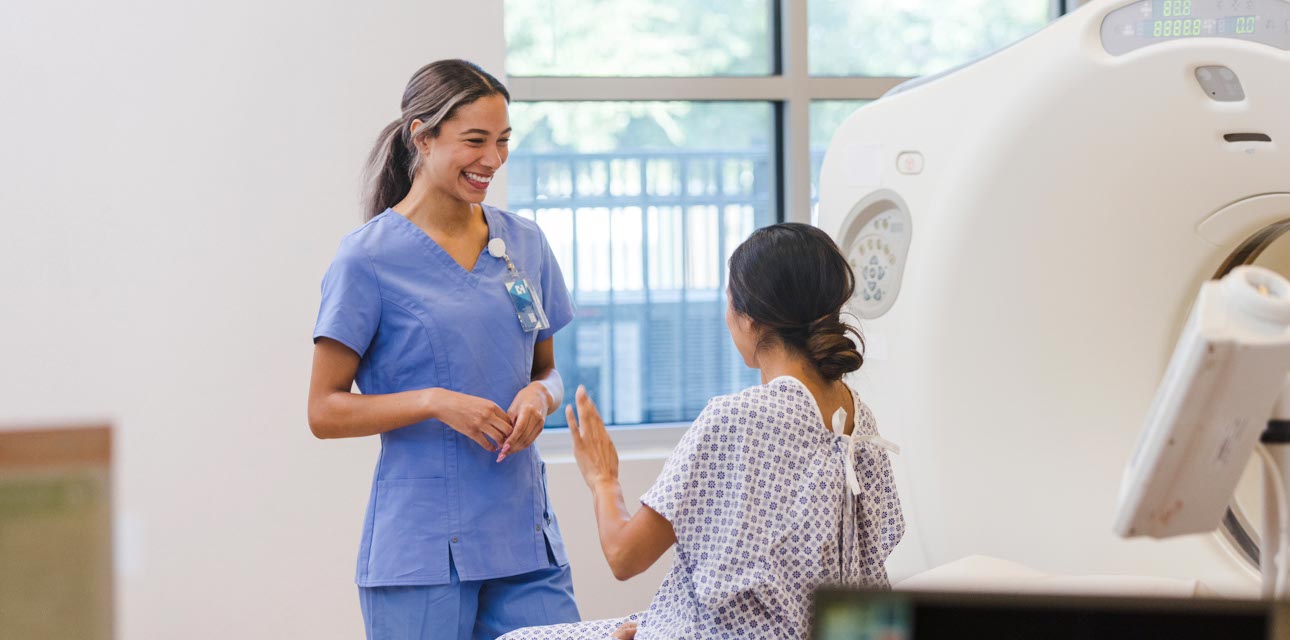
Nursing - ADN

Associate in Applied Science (AAS)

Why Nursing - ADN?

Nurses are the heart of healthcare, providing compassionate, skilled care to individuals, families, and communities across the life span. In this program, you’ll learn to assess, plan, and deliver patient-centered care while developing the critical thinking and leadership skills essential in today’s complex healthcare environments. No two days are ever the same, and each patient offers a new opportunity to make a difference.

At Mid-State, you’ll train alongside expert instructors in classroom, lab, and clinical settings that mirror real healthcare environments. Students benefit from hands-on simulation experiences in the Healthcare Simulation Center that enhance and support their clinical training. 

Mid-State’s Nursing program was ranked the No. 1 RN program in Wisconsin for 2027 by RegisteredNursing.org, a testament to its quality and student success.

Program Facts

Total Credits
68 Credits
Degree Type
Associate in Applied Science (AAS)
Program Length
Two Years
Estimated Program Cost
$15,318.62
Financial Aid Eligibility
Fully Eligible

Program Outcomes

Graduates leave ready to succeed in their careers. Each year, data from Mid-State's Graduate Survey and statewide reports show consistently high satisfaction and strong starting salaries. Here's a snapshot of what success looks like after graduation.

Career Opportunities

Charge Nurse
Clinic Nurse
Registered Nurse
Staff Nurse
$86,030
Median Annual Salary
Recent program grads in Wisconsin earned a starting salary of $86,030. Source: Lightcast Data Set
1,980
Average Monthly Hires
1,980 of recent Wisconsin program grads landed jobs within six months of graduation. Source: Lightcast Data Set
95%
Mid-State Graduate Satisfaction Rate
Students leave proud, prepared, and confident in what comes next. Source: Mid-State Graduate Survey Results

Program Details

Take a closer look at what the program offers and what to expect.

Following is the list of courses within the program. Your course plan may vary, and you'll get a recommended sequence once you're enrolled. See the program information guide below for full course details or talk with your advisor.

Program Information Guide (PDF)

Credit for Prior Learning (CPL) options are available for some courses.

Prerequisites/Required Prior to Beginning Nursing Courses

Course Number

Course Name

CPL

Credits

10806177

General Anatomy & Physiology

Yes

4

10806179

Advanced Anatomy & Physiology

No

4

10809188

Developmental Psychology

Yes

3

10801136

English Composition 1

Yes

3

30543300

Nursing Assistant

No

2

Needed Prior to Graduation or Recommended Prior to Beginning Nursing Courses

Course Number

Course Name

CPL

Credits

10801198 or 10801196

Speech or Oral/Interpersonal Communication

Yes

3

10809196 or 10809172

Introduction to Sociology or Introduction to Diversity Studies

Yes

3

10806197

Microbiology

Yes

4

10809198

Introduction to Psychology

Yes

3

10890102

GPS for Student Success

Yes

1

Full-Time Curriculum (68 Total Credits)

Term 1: (9 Credits)

Course Number

Course Name

CPL

Credits

10543101

Nursing Fundamentals

No

2

10543102

Nursing Skills

Yes

3

10543103

Nursing Pharmacology

Yes

2

10543104

Nursing Intro Clinical Practice

Yes

2

Term 2: (10 Credits)

Course Number

Course Name

CPL

Credits

10543105

Nursing Health Alterations

No

3

10543106

Nursing Health Promotion

No

3

10543107

Nursing: Clinical Care Across the Lifespan

No

2

10543108

Intro to Clinical Care Management

No

2

Term 3: (9 Credits)

Course Number

Course Name

CPL

Credits

10543109

Nursing Complex Health Alterations 1

No

3

10543110

Mental Health and Community Concepts

No

2

10543111

Nursing Intermediate Clinical Practice

No

3

10543112

Nursing Advanced Skills

No

1

Term 4: (10 Credits)

Course Number

Course Name

CPL

Credits

10543113

Nursing Complex Health Alterations 2

No

3

10543114

Nursing Management & Professional Concepts

No

2

10543115

Nursing Advanced Clinical Practice

No

3

10543116

Nursing Clinical Transition

No

2

Meet our full-time instructors.

Kristi Busscher, MSN, RN
Additional Degrees: ADN, BSN
Kristi is a registered nurse with an MSN in nursing education and a BSN from University of Wisconsin–Oshkosh, as well as an associate degree in nursing from Northcentral Technical College. Her experience includes over 23 years as a nurse in inpatient neuro/trauma, outpatient surgery in pre-operative and post-operative care, and clinical outpatient substance use and recovery. She currently serves as a mental health navigator for outpatient behavioral health. She began teaching clinicals for Mid-State in 2024.

“Nursing has always been my passion. Now, as a nurse educator, I am able to bring that passion to help mentor, educate, and inspire future nurses. It is rewarding, watching students put the concepts together and have the ‘aha’ moments and a privilege to be part of their journey.”

Berta Debot, MSN, RN
Additional Degrees: ADN, BSN
Berta holds MSN degrees in nursing education and pediatric clinical nurse specialist from the University of Wisconsin–Madison. She received her BSN from Viterbo University, and her ADN from Mid-State Technical College. She has been an RN for nearly 30 years working in pediatric ICU, emergency, quality improvement and care management, and school nursing.  She has been teaching for 10 years and loves sharing her passion for learning with her students.

Sandra Dieck, MSN, RN
Additional Degrees: BS Biology
Sandra earned her MSN in nursing education from UW–Oshkosh and her BSN from UW–Eau Claire. She has 20 years of nursing experience in critical care, outpatient infusion center, urgent care walk-in, surgical nursing, and access center for patient transfers and admissions. Sandra is a member of the American Nurses Association and the Wisconsin Nurses Association and values the nursing role in shaping the future of health care through legislation and evidence-based practice. She participates in educational offerings as available to maintain her nursing skills and competency.

“My students are my legacy for nursing.”

Leah Eckstein, MSN, RN
Additional Degrees: BSN
Leah earned her MSN in nursing leadership and management from Walden University and her BSN from the University of Wisconsin–Eau Claire. Her over 16 years in nursing includes experience in both public health and education.

“As a nurse it has been my passion to help individuals and communities understand the importance of disease, illness, and injury prevention to live the healthiest life possible. As an educator, it is a joy to experience when students connect the importance of prevention and protective factors to the care they are providing."

Dawn Ede, MSN, RN
Additional Degrees: BSN
Dawn holds an MSN from UW–Eau Claire. She has been a nurse educator at Mid-State for over 20 years. She has also worked for over 30 years as an obstetric nurse with OB patients, including newborns and high-risk populations as well as in the surgical suite settings. She is also a content expert for Ascend/ATI Learning and an ATI Champion for the nursing program.

“I love seeing the students being able to apply classroom theory in the clinical setting. You can see when it starts to make sense to them, and they start thinking like a nurse.”

Tracy Joosten, MSN, RN
Tracy earned her MSN from the University of Wisconsin–Eau Claire. She has over 25 years of experience as a registered nurse and has been a master’s prepared registered nurse since 2009. She is also a certified healthcare simulation educator, earning her certification in 2024. She has experience in CCU, cardiac, pediatrics, SICU, and obstetrics and practiced as a family practice nurse practitioner for eight years before joining Mid-State as a full-time Nursing Instructor.

“My love for nursing and helping the sick heal and the healthy thrive is what led me to teaching at Mid-State. Having an opportunity to educate future nurses to be knowledgeable and passionate about the career is what I strive for with every student encounter.”

Kimberly Keith, PMHNP-BC, MSN, RN
Additional Degrees: ADN, BSN
Kimberly is a proud alumnus of Mid-State Technical College’s Nursing program. She earned her BSN from the University of Wisconsin–Milwaukee and went on to receive her MSN from the University of South Alabama, specializing in psychiatry and mental health. Kimberly is a Board-Certified Psychiatric Mental Health Nurse Practitioner (PMHNP) and is currently advancing her education as a doctoral student at the Medical University of South Carolina, focusing on family practice. She has spent the last five years in mental health and crisis across the lifespan, both inpatient and outpatient. Her clinical experience spans emergency medicine, medical/surgical care, wound care, and psychiatry, providing her with a well-rounded expertise in the healthcare field.

"Nursing has long been regarded as one of the most respected professions. My goal is to educate students on the unique and rewarding opportunity they have to become nurses who are trusted confidants, advocates, and healers of both physical and emotional wounds."

Kristi Lenzo, MSN, RN
Additional Degrees: ADN, BSN
Kristi earned her master of science in nursing education from Rasmussen University. She is a registered nurse with ten years of nursing experience, with clinical backgrounds in NICU, labor and delivery, OB/GYN, and pediatric nursing.

"Being a nurse educator allows me to bring my two passions—nursing and teaching—together as one, to inspire, encourage, guide, and create the best nurses possible to care for patients in our community. "

Sarah Lynch, MSN, RN
Sarah earned her MSN from Capella University. She also holds an associate degree in nursing from Northcentral Technical College and a bachelor's degree from UW–Stevens Point. Sarah has worked in healthcare since 2006 and as a registered nurse since 2016. For her entire healthcare career Sarah has worked with the critical care population with an emphasis on cardiac care.  

"I believe my greatest responsibility as an educator is to develop a trusting and welcoming relationship with students, facilitate their education, and give them opportunities to expand their thinking. I understand teaching and learning is a two-way process and believe educational development involves shared decision making between the educator and the learner. This will help enhance the teacher-learner relationship and engage and motivate learners to maximize their learning potential."  

Lisa Massen, MSN, RN
Additional Degrees: BSN
Lisa earned her MS in nursing education from Western Governors University in Utah. She taught in Mid-State’s Healthcare Simulation Center prior to becoming a full-time instructor. She began her healthcare career as a nurse's assistant in 2001 and has been a registered nurse since 2011. Her teaching is informed by clinical backgrounds in medical/surgical, emergency room, specialty clinic, family clinic, and home health as well as management backgrounds in emergency room, family clinic, and specialty clinics.  

“I am passionate about educating our future nurses and inspiring them to become the best role models and mentors to other nurses. I am an alumnus of Mid-State and had great mentors and educators leading me to succeed in this career pathway.”      

Kristi Pilger, MSN, RN
Kristi holds an MSN from UW–Oshkosh and a BSN from UW–Madison. She has been working as a registered nurse since 1999 in the areas of cardiology, obstetrics, community health, and education. She has held the roles of a certified childbirth educator and hospital educator prior to joining the Nursing faculty at Mid-State Technical College in the fall of 2016.

“I love to think that I can have a positive impact on the profession of nursing by working with nursing students who are the future of the profession.”

Jasmine RybickiI, MSN-Ed, RN
Jasmine earned her MSN in nursing education from Chamberlain University, her BSN from Viterbo University, and her ADN from Chippewa Valley Technical College. Over her eight years of nursing she has gained experience in dialysis (inpatient and outpatient), primary care, and hospital staff education. She keeps her skills current as an inpatient dialysis nurse.

“Being a nurse has been such a wonderful experience. The ability to help patients in such a variety of ways is something few career paths can offer. My favorite part of teaching is seeing the lightbulb moment when students understand a difficult concept and connect the dots to clinical practice.”

Carolyn L. Schneebeli, MSN, RN
Additional Degrees: ADN, BSN
Carolyn holds an MSN in nursing education from Excelsior College in Albany, New York. She is also a certified flight nurse and a certified critical care nurse. Her experience includes intensive care units as well as a critical care transport nurse (flight and ground) where she worked with a wide array of patient age groups. She keeps her skills current as a flight nurse for Medevac Air 2 out of Mosinee.

“Being able to transform lives, whether directly as a nurse or indirectly as an instructor, is the greatest accomplishment I have found.”

Crissy Watenpaugh, MSN, RN
Crissy is a nursing professional with an MSN in nursing education and a BSN, both from Chamberlain University. She brings over 26 years of diverse experience in long-term care, home health, and supporting developmentally disabled individuals through the Illinois Department of Human Services. Her clinical background spans geriatric, med-surg, family practice, and palliative/hospice care. She is an ATI Champion for the nursing program, a Wisconsin Open Educational Resource (OER) Champion participating in OER development, and a Peer Evaluator for the Accreditation Commission for Education in Nursing (ACEN).

“"Having found immense fulfillment in caring for others as a nurse, I am now committed to channeling that passion into nursing education. My goal is to prepare Mid-State Technical College graduates to become safe, confident, skilled nurses who share a genuine love for their work and overall health of their community."

Employers will expect graduates of this program to be able to:

  • Integrate professional nursing identity reflecting integrity, responsibility, and nursing.
  • Communicate comprehensive information using multiple sources in nursing practice.
  • Integrate theoretical knowledge to support decision making.
  • Integrate the nursing process into patient care across diverse populations.
  • Function as a healthcare team member to provide safe and effective care.

Alongside your career training, you'll develop key workplace strengths. Explore the additional skills you'll build.

Employability Skills (PDF)

To succeed in this program, you'll need to meet certain technical standards. These are the key skills and abilities needed for the program and future career success—with or without reasonable accommodations. Be sure to review them carefully before you apply.

Technical Standards (PDF)

This program prepares you for licensure to work in Wisconsin. If you plan to work in another state, be sure to check that state's licensure requirements—Mid-State's program may not meet them all. If you've applied to the program and have any questions about this information, talk to your advisor.

Licensure Information (PDF)

Explore the resources and next steps below. Your academic advisor will help you know what to complete and when.

Criminal Background Form

Employment Verification Request Form (PDF)

Nursing Program Outcomes and Evidence of Student Learning (PDF)


LPN-to-ADN and Paramedic-to-ADN Pathway
In order to recognize the experience and education of the Licensed Practical Nurse (LPN) and Paramedic, an LPN/Paramedic-to-ADN (Associate Degree Nursing) pathway has been developed. This means that upon successful completion of specified activities and coursework, an LPN or Paramedic would be eligible to enter the ADN program as a third semester student (based on seat availability).

LPN-to-ADN Pathway
Paramedic-to-ADN Pathway


BSN Completion
An agreement between Mid-State Technical College and the University of Wisconsin-Stevens Point allows students to complete an associate degree in nursing (ADN) at Mid-State and a bachelor of science degree in nursing (BSN) through UW-Stevens Point known as the Partnership Program (1+2+1). This allows students to begin their coursework at either institution by taking general studies courses to meet Mid-State’s ADN admission requirements. For students beginning at Mid-State, the program allows acceptance into UW-Stevens Point RN to BSN completion major as early as the third semester of the Mid-State ADN program. For students beginning at UW-Stevens Point, the agreement also creates a competitive application process to gain entrance into Mid-State’s ADN program each semester, providing an efficient and affordable path to becoming a registered nurse (RN) in central Wisconsin. Following completion of the Partnership Program, students will have earned both an ADN and BSN and successfully achieved licensure as an RN in the state of Wisconsin.

In addition, any graduate from the nursing program can pursue a BSN degree from numerous colleges that have transfer pathway with the college. This allows many credits earned at Mid-State to be accepted by the BSN college.

For more information, talk to your academic advisor at Mid-State or UW-Stevens Point.


Registered Nurse Refresher Series Courses
Are you considering reentering the workforce as a registered nurse after taking time off? Learn more about Registered Nurse Refresher Series at Mid-State.

Career Pathways

Career pathways help you build your education step by step. Each stage offers one or more credentials that are recognized by employers and lead to real jobs—and you can keep building toward your career goals as you go.

Prior Learning

Certificate

Technical Degree

Associate Degree

Bachelor's Degree

Get credit for what you already know. You may be able to earn college credit for prior learning through skills you’ve gained through high school classes, previous college work, self-study, military training, jobs, or volunteer experience.

  1. Credit for Prior Learning
  2. High School Dual Credit
  3. Mid-State Fast-Track – Open to high school students (age requirements apply)

Explore Other Options

Other Programs

Explore more Mid-State programs and find your path to success.

Workforce Training

Not ready for a full degree? Learn job-ready skills with our workforce training options.

Continuing Education

Add a new skill, explore a hobby, or take the next step in your career with our lifelong learning options.
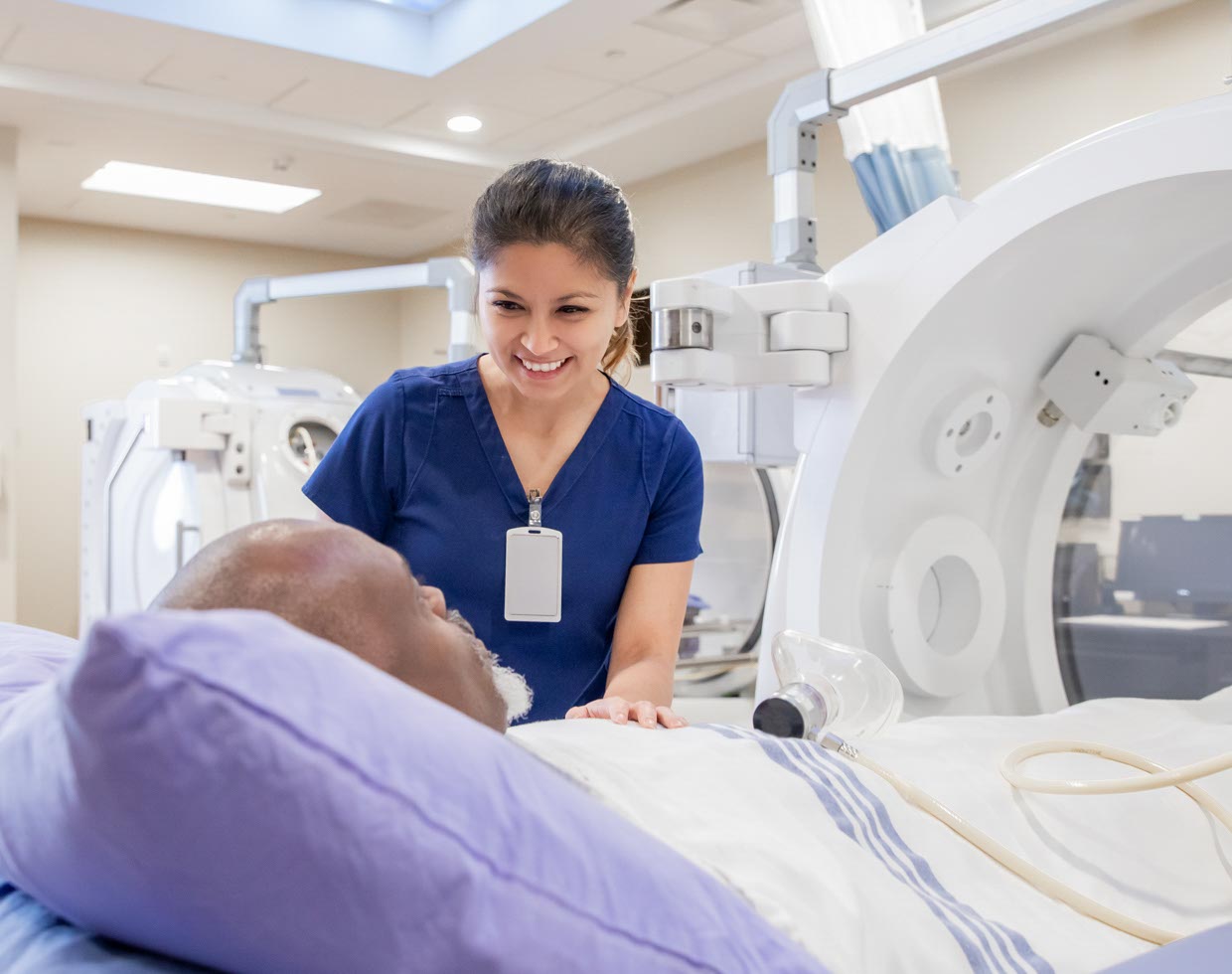
Mechanical Design Technology

Associate in Applied Science (AAS)

Why Mechanical Design Technology?

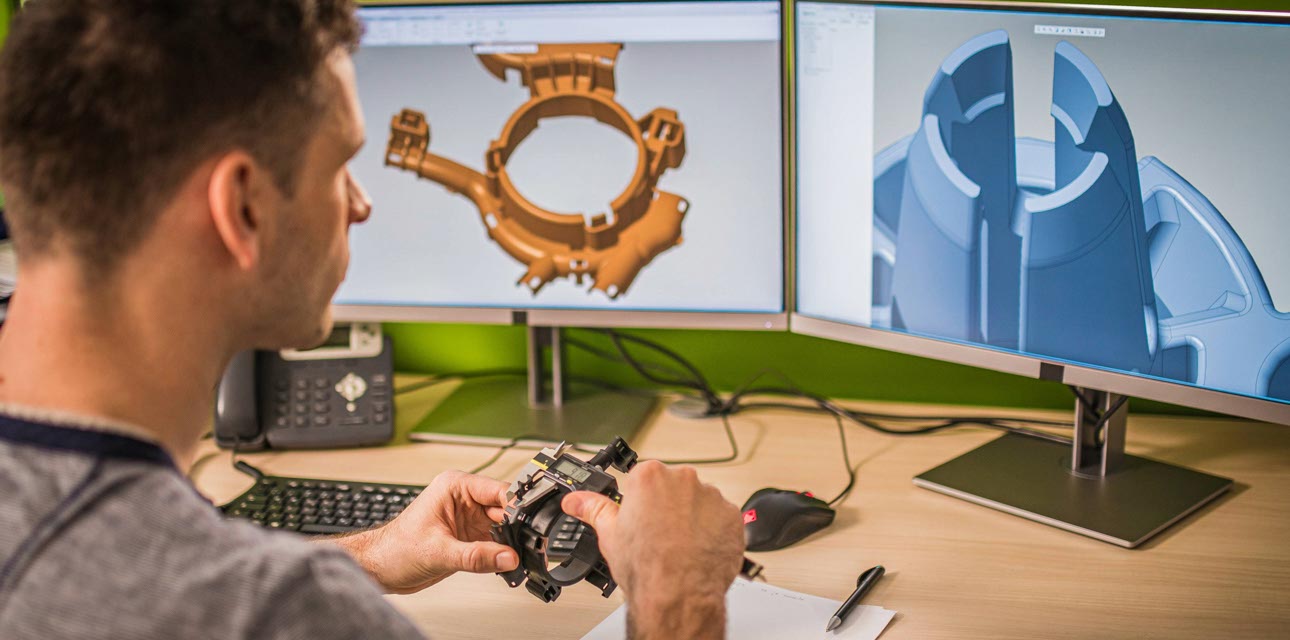
Mechanical designers turn ideas into reality by creating the blueprints and models that power modern manufacturing and engineering. In this program, you’ll learn to design, test, and improve mechanical systems using advanced computer-aided design (CAD) software and engineering principles. You’ll develop the problem-solving, teamwork, and technical skills needed to thrive in a high-demand and high-earning career field.

At Mid-State, you’ll train in the state-of-the-art Advanced Manufacturing, Engineering, Technology, and Apprenticeship (AMETA®) Center. With hands-on experience, internship opportunities, and input from local manufacturers, you’ll graduate ready to step into the workforce or continue your education through transfer options like UW-Stout’s BS in Engineering Technology.

Program Facts

Total Credits
63-64 Credits
Degree Type
Associate in Applied Science (AAS)
Program Length
Two Years
Estimated Program Cost
$11,907.17
Financial Aid Eligibility
Fully Eligible

Program Outcomes

Graduates leave ready to succeed in their careers. Each year, data from Mid-State's Graduate Survey and statewide reports show consistently high satisfaction and strong starting salaries. Here's a snapshot of what success looks like after graduation.

Career Opportunities

CAD Technician
Design Technician
Engineering Technician
Mechanical Design Technician
Product Designer
$63,889
Median Annual Salary
Recent program grads in Wisconsin earned a starting salary of $63,889. Source: Lightcast Data Set
81
Average Monthly Hires
81 of recent Wisconsin program grads landed jobs within six months of graduation. Source: Lightcast Data Set

Program Details

Take a closer look at what the program offers and what to expect.

Following is the list of courses within the program. Your course plan may vary, and you'll get a recommended sequence once you're enrolled. See the program information guide below for full course details or talk with your advisor.

Program Information Guide (PDF)

Full-Time Curriculum (63-64 Total Credits)

Credit for Prior Learning (CPL) options are available for some courses.

Term 1: (16 Credits)

Course Number

Course Name

CPL

Credits

10420101

Manufacturing Processes - Machining

No

2

10606163

Materials of Industry

No

2

10606164

Technical Detailing

No

2

10623106

Introduction to AutoCAD

Yes

1

10623114

Intro to Inventor

Yes

1

10801136

English Composition 1

Yes

3

10804118

Intermediate Algebra with Applications

Yes

4

10890102

GPS for Student Success

Yes

1

Term 2: (16 Credits)

Course Number

Course Name

CPL

Credits

10457119

Fabrication Fundamentals 1

No

1

10457120

Fabrication Fundamentals 2

No

1

10606165

Intro to Solidworks

No

1

10606114

Machine Design 1

No

2

10606131

Strengths of Materials

No

3

10606145

Applied Mechanics

No

2

10804196

Trigonometry with Applications 

No

3

10809166 or 10809172

Introduction to Ethics: Theory & Application or Introduction to Diversity Studies

Yes

3

Term 3: (17-18)

Course Number

Course Name

CPL

Credits

10606115

Machine Design 2

No

3

10606117

Designing for Manufacturability

No

3

10606119

Mechanisms

No

3

10623176

Quality Assurance

No

1

10607106

Excel for Engineering

No

1

10801198 or 10801196

Speech or Oral/Interpersonal Communication

Yes

3

10806143 or 10806154

College Physics 1 or General Physics 1

No or Yes

3 or 4

Term 4: (14 Credits)

Course Number

Course Name

CPL

Credits

10462120

Industrial Hydraulics & Pneumatics

No

3

10606113

Tool and Fixture Design

No

2

10606166

Intermediate Solidworks

No

1

10623171

Lean Six Sigma

No

3

10809198 or 10809188

Introduction to Psychology or Developmental Psychology

Yes

3

32420325

Inspection with Geometric Dimensioning

No

2

Meet our full-time instructors.

Jacob Denny, BS
Jacob holds a bachelor of science in mechanical engineering technology from Michigan Technological University. He comes to Mid-State with five years of experience as a design engineer for Gamber-Johnson. He stays current in the mechanical design field by continuing to do design work and through professional development. He also maintains strong industry connections.

“Teaching at Mid-State allows me to blend my industry experience with my passion for mentoring. It’s exciting to see students apply what they learn in the classroom to solve real-world problems.”

Employers will expect graduates of this program to be able to:

  • Prepare detail and assembly drawings of mechanical components and products.
  • Analyze mechanical engineering problems.
  • Design mechanical components, products, and systems.
  • Create CAD (computer-aided design) geometry, parts, and assemblies.

Alongside your career training, you'll develop key workplace strengths. Explore the additional skills you'll build.

Employability Skills (PDF)

To succeed in this program, you'll need to meet certain technical standards. These are the key skills and abilities needed for the program and future career success—with or without reasonable accommodations. Be sure to review them carefully before you apply.

Technical Standards (PDF)

Career Pathways

Career pathways help you build your education step by step. Each stage offers one or more credentials that are recognized by employers and lead to real jobs—and you can keep building toward your career goals as you go.

Prior Learning

Certificate

Technical Degree

Associate Degree

Bachelor's Degree

Get credit for what you already know. You may be able to earn college credit for prior learning through skills you’ve gained through high school classes, previous college work, self-study, military training, jobs, or volunteer experience.

  1. Credit for Prior Learning
  2. High School Dual Credit
  3. Mid-State Fast-Track – Open to high school students

Explore Other Options

Other Programs

Explore more Mid-State programs and find your path to success.

Workforce Training

Not ready for a full degree? Learn job-ready skills with our workforce training options.

Continuing Education

Add a new skill, explore a hobby, or take the next step in your career with our lifelong learning options.
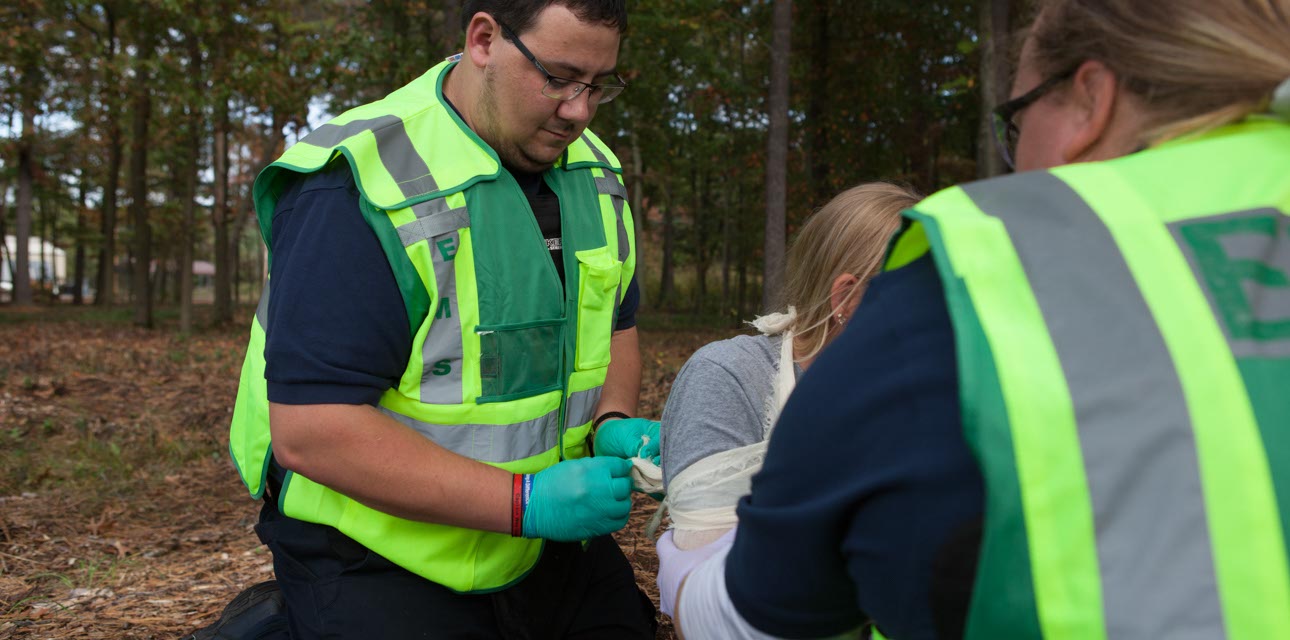
Manufacturing Operations Management

Associate in Applied Science (AAS)

Why Manufacturing Operations Management?

Manufacturing leaders keep production running smoothly, people working safely, and quality at its highest. In this program, you’ll learn to manage teams, improve efficiency, and apply problem-solving and leadership skills in real manufacturing environments. Designed for current manufacturing professionals or those seeking to advance into management, it provides the essential tools to lead with confidence.

At Mid-State, you’ll benefit from strong industry partnerships and flexible scheduling that fits your work and life. With a mix of online and in-person courses, you’ll gain both business management and technical knowledge to prepare for leadership roles in today’s modern manufacturing operations.

Program Facts

Total Credits
61 Credits
Degree Type
Associate in Applied Science (AAS)
Program Length
Two Years
Estimated Program Cost
$10,959.10
Financial Aid Eligibility
Fully Eligible

Program Outcomes

Graduates leave ready to succeed in their careers. Each year, data from Mid-State's Graduate Survey and statewide reports show consistently high satisfaction and strong starting salaries. Here's a snapshot of what success looks like after graduation.

Career Opportunities

Manufacturing Supervisor
Production Manager
Production Supervisor
Project Manager
Quality Assurance Supervisor
$102,606
Median Annual Salary
Recent program grads in Wisconsin earned a starting salary of $102,606. Source: Lightcast Data Set
694
Average Monthly Hires
694 of recent Wisconsin program grads landed jobs within six months of graduation. Source: Lightcast Data Set
100%
Mid-State Graduate Satisfaction Rate
Students leave proud, prepared, and confident in what comes next. Source: Mid-State Graduate Survey Results

Program Details

Take a closer look at what the program offers and what to expect.

Following is the list of courses within the program. Your course plan may vary, and you'll get a recommended sequence once you're enrolled. See the program information guide below for full course details or talk with your advisor.

Program Information Guide (PDF)

Full-Time Curriculum (61 Total Credits)

Credit for Prior Learning (CPL) options are available for some courses.

Term 1: (16 Credits)

Course Number

Course Name

CPL

Credits

10196189

Team Building & Problem-Solving

No

3

10623126 or 10196191

Manufacturing Supervision or Supervision

No or Yes 3


10462107

Industrial Safety

Yes

2

10623114

Intro to Inventor

Yes

1

10801136

English Composition 1

Yes

3

10804107 or 10804189

College Mathematics or Introductory Statistics

Yes

3

10890102

GPS for Student Success

Yes

1

Term 2: (15 Credits)

Course Number

Course Name

CPL

Credits

10102110

Employment Law

No

3

10623124 or 10102121

Budgets & Economic Impact for Manufacturing or Finance and Budgeting

No or Yes

3

10103123

Excel-Beginning

Yes

1

10623112

Manufacturing Practices

No

2

10801198 or 10801196

Speech or Oral/Interpersonal Communication

Yes

3

10809166

Introduction to Ethics: Theory & Application

Yes

3

Term 3: (15 Credits)

Course Number

Course Name

CPL

Credits

10196190

Leadership Development

Yes

3

10196193

Human Resource Management

No

3

10605117

Automation 1 - Beginning PLC

Yes

3

10623169 or 10623168

Manufacturing Operations Management Internship or Manufacturing Operations Capstone

No

3

10809198 or 10809188

Introduction to Psychology or Developmental Psychology

Yes

3

Term 4: (15 Credits)

Course Number

Course Name

CPL

Credits

10196192

Managing for Quality

No

3

10196188

Project Management

No

3

10623171

Lean Six Sigma

No

3

10623177

Manufacturing Leadership

No

3

10809172

Introduction to Diversity Studies

Yes

3

Meet our full-time instructors.

Alison Graf, BS
Alison earned her BS degree in paper science from UW–Stevens Point and holds Six Sigma Black Belt certification. She started teaching at Mid-State Technical College in 2021 after 18 years of experience in paper manufacturing as a process engineer and supervisor in raw materials. Her ongoing work in manufacturing includes continuous improvement projects, capital projects, safety improvements, and mentoring college intern students. 

“By mentoring, coaching, and inspiring future leaders in manufacturing, I hope to have a lasting impact on safety, leadership, and process improvement in many industries.”

Employers will expect graduates of this program to be able to:

  • Organize resources to achieve the goals of the organization.
  • Direct individuals and/or processes to meet organizational goals.
  • Implement safe work practices. 
  • Design, implement, and evaluate industrial processes. 
  • Apply leadership skills and tools to facilitate problem solving.
  • Develop and maintain a continuous improvement environment.

Alongside your career training, you'll develop key workplace strengths. Explore the additional skills you'll build.

Employability Skills (PDF)

To succeed in this program, you'll need to meet certain technical standards. These are the key skills and abilities needed for the program and future career success—with or without reasonable accommodations. Be sure to review them carefully before you apply.

Technical Standards (PDF)

Career Pathways

Career pathways help you build your education step by step. Each stage offers one or more credentials that are recognized by employers and lead to real jobs—and you can keep building toward your career goals as you go.

Prior Learning

Certificate

Technical Degree

Associate Degree

Bachelor's Degree

Get credit for what you already know. You may be able to earn college credit for prior learning through skills you’ve gained through high school classes, previous college work, self-study, military training, jobs, or volunteer experience.

  1. Credit for Prior Learning
  2. High School Dual Credit
  3. Mid-State Fast-Track – Open to high school students

Explore Other Options

Other Programs

Explore more Mid-State programs and find your path to success.

Workforce Training

Not ready for a full degree? Learn job-ready skills with our workforce training options.

Continuing Education

Add a new skill, explore a hobby, or take the next step in your career with our lifelong learning options.
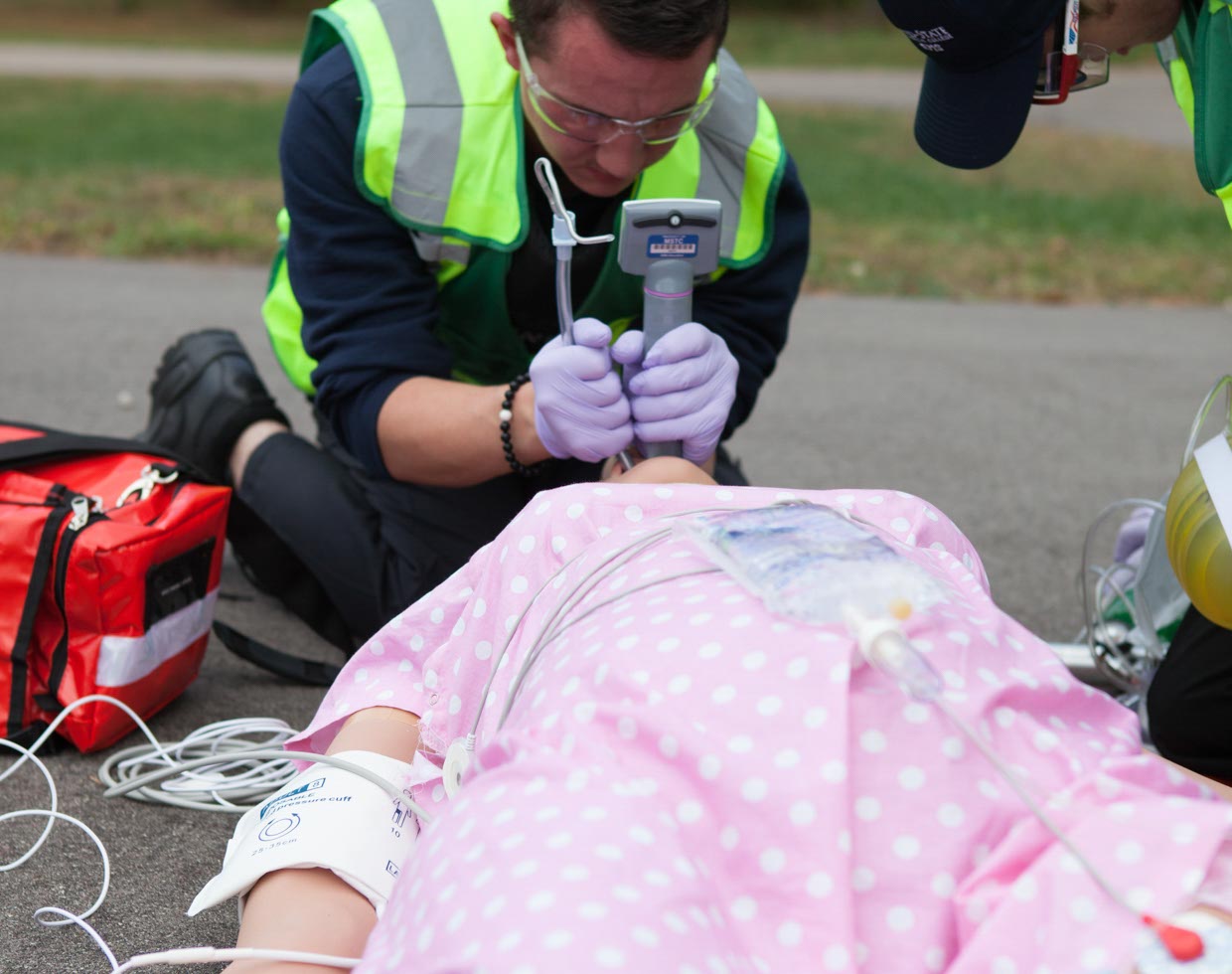
Leadership Development

Associate in Applied Science (AAS)

Why Leadership Development?

Great leaders know how to bring out the best in people and guide teams toward success. In this program, you’ll learn how to guide teams, communicate with confidence, and make effective decisions that drive results. Whether you’re advancing in your current role or preparing for a new opportunity, you’ll gain the skills and self-awareness needed to lead with purpose and integrity.

At Mid-State, flexible scheduling lets you complete the program online or through convenient evening hybrid courses. You will learn from experienced leaders who bring real-world insight to every class, graduating ready to make an immediate impact in any organization.

Program Facts

Total Credits
62-63 Credits
Degree Type
Associate in Applied Science (AAS)
Program Length
Two Years
Estimated Program Cost
$11,377.63
Financial Aid Eligibility
Fully Eligible

Program Outcomes

Graduates leave ready to succeed in their careers. Each year, data from Mid-State's Graduate Survey and statewide reports show consistently high satisfaction and strong starting salaries. Here's a snapshot of what success looks like after graduation.

Career Opportunities

Administrator
Director
Manager
Supervisor
Team Leader
$78,309
Median Annual Salary
Recent program grads in Wisconsin earned a starting salary of $78,309. Source: Lightcast Data Set
4,438
Average Monthly Hires
4,438 of recent Wisconsin program grads landed jobs within six months of graduation. Source: Lightcast Data Set
100%
Mid-State Graduate Satisfaction Rate
Students leave proud, prepared, and confident in what comes next. Source: Mid-State Graduate Survey Results

Program Details

Take a closer look at what the program offers and what to expect.

Following is the list of courses within the program. Your course plan may vary, and you'll get a recommended sequence once you're enrolled. See the program information guide below for full course details or talk with your advisor.

Program Information Guide (PDF)

Full-Time Curriculum (62-63 Total Credits)

Credit for Prior Learning (CPL) options are available for some courses.

Term 1: (17 Credits)

Course Number

Course Name

CPL

Credits

10101140 or 10102178

Accounting 1 or Personal Finance

Yes

3

10102231

Business Networking

No

1

10196189

Team Building & Problem Solving

No

3

10196190

Leadership Development

Yes

3

10801195 or 10801136

Written Communication or English Composition 1

Yes

3

10801196 or 10801198

Oral/Interpersonal Communication or Speech

Yes

3

10890102

GPS for Student Success

Yes

1

Term 2: (16-17)

Course Number

Course Name

CPL

Credits

10102230

Business Communities

No

1

10103106

Microsoft Office-Introduction

Yes

3

10196152

Strategic Leadership

No

3

10196188

Project Management

No

3

10196192

Managing for Quality

No

3

10804107 or 10804118 or 10804189

College Mathematics or Intermediate Algebra with Applications or Introductory Statistics

Yes

3 or 4 or 3

Term 3: (14 Credits)

Course Number

Course Name

CPL

Credits

10102233

Negotiation Skills

No

1

10196135

Conflict Resolution

No

3

10196136

Managing Risk & Safety

Yes

3

10196151

Leadership Mentorship

No

1

10196191

Supervision

Yes

3

10809172 or 10809196 or 10809122

Introduction to Diversity Studies or Introduction to Sociology or Introduction to American Government

Yes

3

Term 4: (15 Credits)

Course Number

Course Name

CPL

Credits

10196139

Workplace Innovation

No

3

10196150

Ethical Leadership

No

3

10196171

Organizational Development

Yes

3

10809166

Introduction to Ethics: Theory & Application

Yes

3

10809188 or 10809198

Developmental Psychology or Introduction to Psychology

Yes

3

Employers will expect graduates of this program to be able to:

  • Utilize quality strategies and tactics.
  • Apply effective leadership skills.
  • Apply human resource policies and procedures.
  • Perform supervisory management functions to achieve organizational objectives.

Alongside your career training, you'll develop key workplace strengths. Explore the additional skills you'll build.

Employability Skills (PDF)

To succeed in this program, you'll need to meet certain technical standards. These are the key skills and abilities needed for the program and future career success—with or without reasonable accommodations. Be sure to review them carefully before you apply.

Technical Standards (PDF)

Career Pathways

Career pathways help you build your education step by step. Each stage offers one or more credentials that are recognized by employers and lead to real jobs—and you can keep building toward your career goals as you go.

Prior Learning

Certificate

Technical Degree

Associate Degree

Bachelor's Degree

Get credit for what you already know. You may be able to earn college credit for prior learning through skills you’ve gained through high school classes, previous college work, self-study, military training, jobs, or volunteer experience.

  1. Credit for Prior Learning
  2. High School Dual Credit
  3. Mid-State Fast-Track – Open to high school students

Explore Other Options

Other Programs

Explore more Mid-State programs and find your path to success.

Workforce Training

Not ready for a full degree? Learn job-ready skills with our workforce training options.

Continuing Education

Add a new skill, explore a hobby, or take the next step in your career with our lifelong learning options.

IT Network Specialist

Associate in Applied Science (AAS)

Why IT Network Specialist?

Network specialists are the backbone of modern technology, ensuring systems stay connected, secure, and efficient. In this program, you’ll learn to design, install, and manage computer networks while gaining expertise in network protocols, security devices, and operating systems such as Windows and Linux. You’ll also develop the analytical and troubleshooting skills that make you indispensable in today’s tech-driven world.

At Mid-State, you’ll work hands-on with industry-standard tools and technology to build the confidence and technical foundation employers expect. You’ll graduate prepared for industry certifications and real-world employment in a field with excellent growth and stability.

Program Facts

Total Credits
61 Credits
Degree Type
Associate in Applied Science (AAS)
Program Length
Two Years
Estimated Program Cost
$11,587.38
Financial Aid Eligibility
Fully Eligible

Program Outcomes

Graduates leave ready to succeed in their careers. Each year, data from Mid-State's Graduate Survey and statewide reports show consistently high satisfaction and strong starting salaries. Here's a snapshot of what success looks like after graduation.

Career Opportunities

Field Services Technician
Network Operations Technician
Network Support Specialist/Administrator
Network Support Technician
System/Server Administrator
$91,005
Median Annual Salary
Recent program grads in Wisconsin earned a starting salary of $91,005. Source: Lightcast Data Set
575
Average Monthly Hires
575 of recent Wisconsin program grads landed jobs within six months of graduation. Source: Lightcast Data Set
100%
Mid-State Graduate Satisfaction Rate
Students leave proud, prepared, and confident in what comes next. Source: Mid-State Graduate Survey Results

Program Details

Take a closer look at what the program offers and what to expect.

Following is the list of courses within the program. Your course plan may vary, and you'll get a recommended sequence once you're enrolled. See the program information guide below for full course details or talk with your advisor.

Program Information Guide (PDF)

Full-Time Curriculum (61 Total Credits)

Credit for Prior Learning (CPL) options are available for some courses.

Term 1: (16 Credits)

Course Number

Course Name

CPL

Credits

10150110

Networking I

Yes

3

10151105

Linux

No

3

10154102

IT Essentials

Yes

3

10801198 or 10801196

Speech or Oral/Interpersonal Communication

Yes

3

10804135

Quantitative Reasoning

Yes

3

10890102

GPS for Student Success

Yes

1

Term 2: (15 Credits)

Course Number

Course Name

CPL

Credits

10150111

Networking II

Yes

3

10150120

Server Administration-Beginning

No

3

10150165

Network Server Scripting

No

3

10151110

Information Security 1

Yes

3

10152101

Intro to Programming

Yes

3

Term 3: (15 Credits)

Course Number

Course Name

CPL

Credits

10150112

Networking III

Yes

3

10150121

Server Administration-Intermediate

No

3

10150130

Virtualization

No

3

10809103

Think Critically & Creatively

Yes

3

10809198

Introduction to Psychology

Yes

3

Term 4: (15 Credits)

Course Number

Course Name

CPL

Credits

10150142 or 10106106

Information Technology Internship or Quality Customer Service

No or Yes

3

10150113

Networking IV

No

3

10150161

Advanced Networking Projects

No

3

10801195 or 10801136

Written Communication or English Composition 1

Yes

3

10809166

Introduction to Ethics: Theory & Application

Yes

3

Meet our full-time instructors.

Brian Krause, BA
Brian Krause holds a bachelor of arts degree from Lakeland College and brings over 20 years of experience working in the IT industry in central Wisconsin to his teaching at Mid-State. He continues to stay current with modern technology through a variety of volunteer activities, research, and seminars.

“I enjoy being able to pass along knowledge and skills to eager learners and bring in real-world business examples for better understanding of the content beyond book theory and examples. Doing so creates a fun learning environment that adds value to the program.”

Troy Krezine, AAS
Troy earned his associate in applied science from Northcentral Technical College and holds national certification in CompTIA Security+. His work experience spans 25 years in the IT field in a variety of roles, including help desk, server administration, project management. He has also held multiple management roles in a Fortune 500 company and local government.

“Teaching at Mid-State allows me to combine my passion for IT management with my love of mentorship. The most rewarding part of my career has always been helping others grow—giving people the tools, confidence, and knowledge they need to succeed. Teaching is simply the next step in that same mission.”

Employers will expect graduates of this program to be able to:

  • Implement computer networks.
  • Implement client systems.
  • Implement server operating systems.
  • Implement network security components.
  • Develop technical documentation.
  • Troubleshoot network systems.

Alongside your career training, you'll develop key workplace strengths. Explore the additional skills you'll build.

Employability Skills (PDF)

To succeed in this program, you'll need to meet certain technical standards. These are the key skills and abilities needed for the program and future career success—with or without reasonable accommodations. Be sure to review them carefully before you apply.

Technical Standards (PDF)

Career Pathways

Career pathways help you build your education step by step. Each stage offers one or more credentials that are recognized by employers and lead to real jobs—and you can keep building toward your career goals as you go.

Prior Learning

Certificate

Technical Degree

Associate Degree

Bachelor's Degree

Get credit for what you already know. You may be able to earn college credit for prior learning through skills you’ve gained through high school classes, previous college work, self-study, military training, jobs, or volunteer experience.

  1. Credit for Prior Learning
  2. High School Dual Credit
  3. Mid-State Fast-Track – Open to high school students

Explore Other Options

Other Programs

Explore more Mid-State programs and find your path to success.

Workforce Training

Not ready for a full degree? Learn job-ready skills with our workforce training options.

Continuing Education

Add a new skill, explore a hobby, or take the next step in your career with our lifelong learning options.