Criminal Justice-Studies

Associate in Applied Science (AAS)

Why Criminal Justice-Studies?

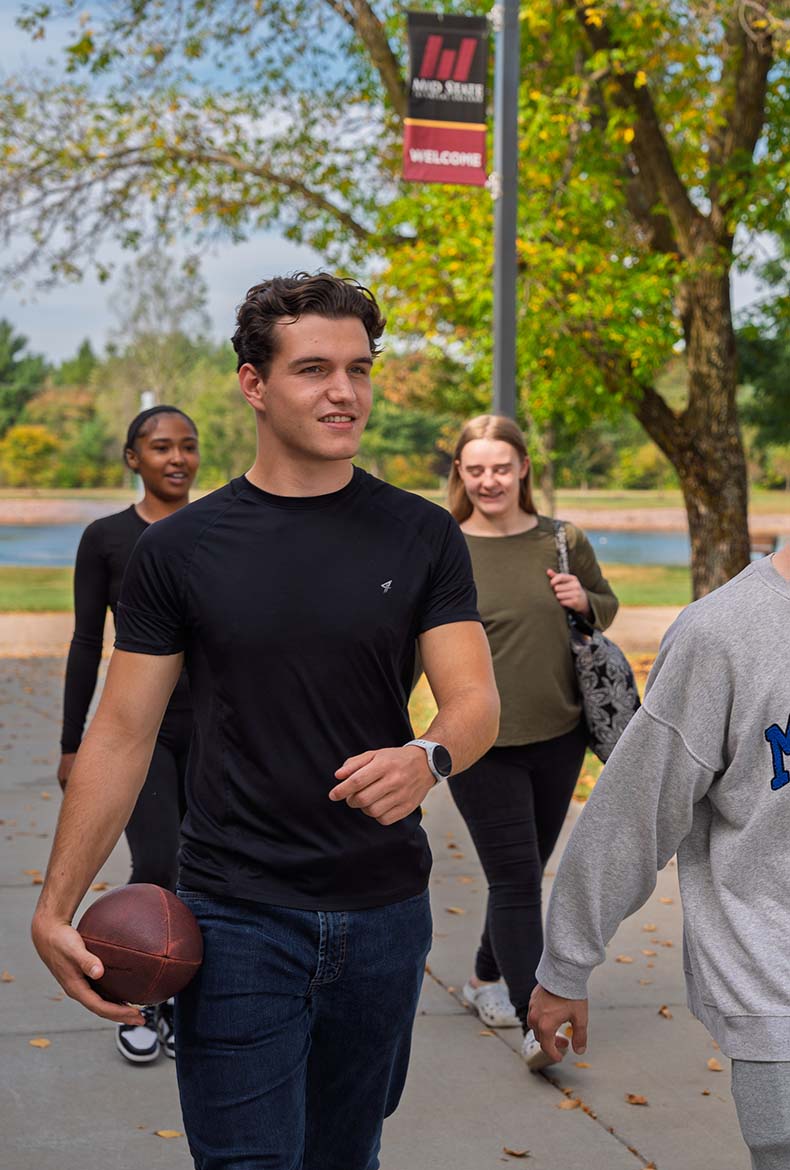
A career in criminal justice offers purpose, variety, and the chance to make a difference every day. In this program, you will learn to apply the principles of law enforcement, corrections, and community advocacy to help maintain peace and protect lives. You will gain critical thinking, problem-solving, and communication skills needed to meet the complex challenges of today’s justice system.

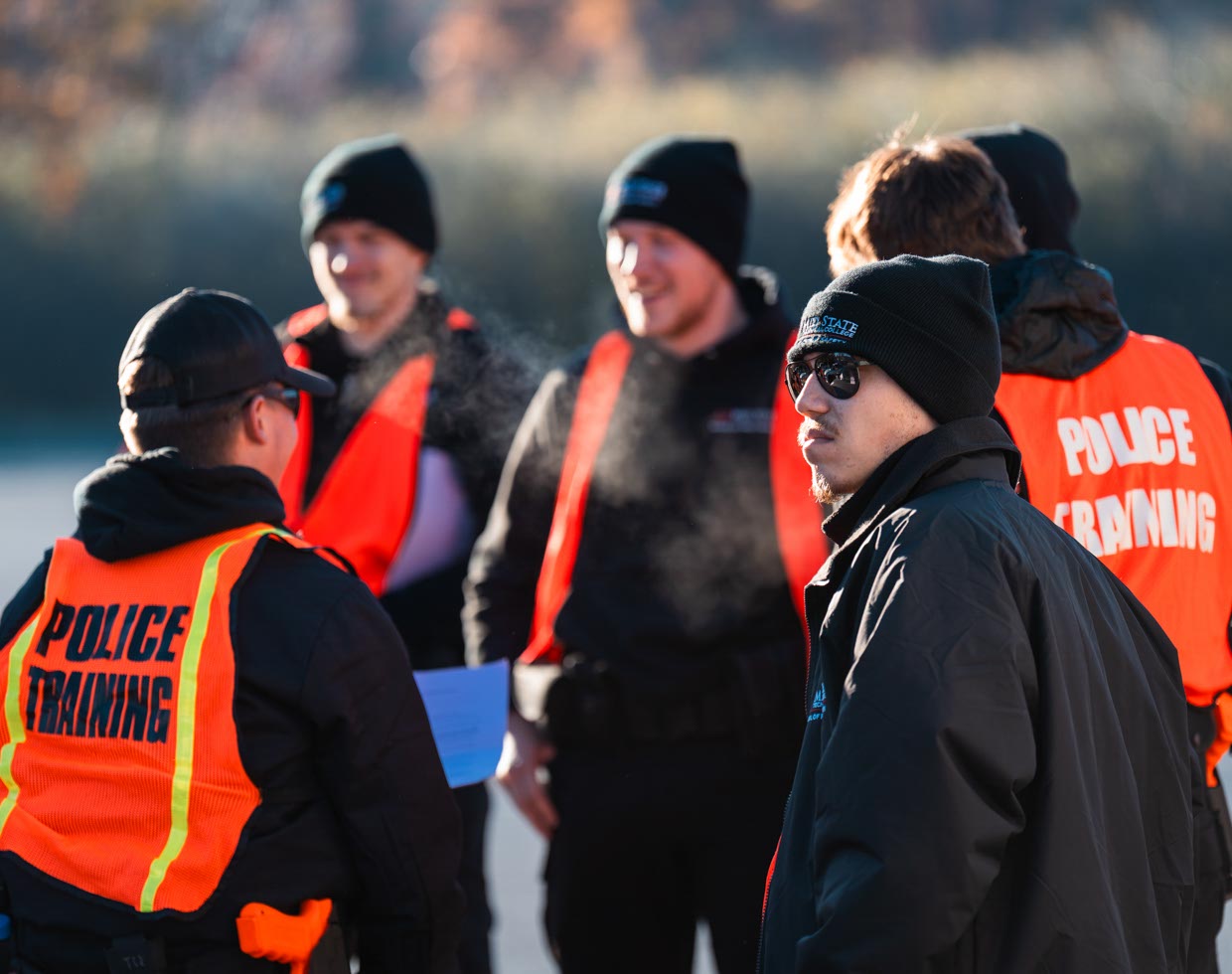
At Mid-State, you’ll learn from experienced professionals through classroom instruction, simulations, and hands-on activities. Students have the opportunity to apply for the Criminal Justice–Law Enforcement 720 Academy and complete it during their fourth semester, earning certification while satisfying degree requirements.
Program Facts

Total Credits
61 Credits
Degree Type
Associate in Applied Science (AAS)
Program Length
Two Years
Estimated Program Cost
$11,231.12
Financial Aid Eligibility
Fully Eligible

Program Outcomes

Graduates leave ready to succeed in their careers. Each year, data from Mid-State's Graduate Survey and statewide reports show consistently high satisfaction and strong starting salaries. Here's a snapshot of what success looks like after graduation.

Career Opportunities

Deputy Sheriff
Police Officer
Private Security
State Trooper
$55,013
Median Annual Salary
Recent program grads in Wisconsin earned a starting salary of $55,013. Source: Lightcast Data Set
1,386
Average Monthly Hires
1,386 of recent Wisconsin program grads landed jobs within six months of graduation. Source: Lightcast Data Set
100%
Mid-State Graduate Satisfaction Rate
Students leave proud, prepared, and confident in what comes next. Source: Mid-State Graduate Survey Results

Program Details

Take a closer look at what the program offers and what to expect.

Following is the list of courses within the program. Your course plan may vary, and you'll get a recommended sequence once you're enrolled. See the program information guide below for full course details or talk with your advisor.

Program Information Guide (PDF)

Full-Time Curriculum (61 Total Credits)

Credit for Prior Learning (CPL) options are available for some courses.

Term 1: (16 Credits)

Course Number

Course Name

CPL

Credits

10504114

Introduction to Law Enforcement

Yes

3

10504125

Patrol Procedures

No

3

10504164

Criminal Law for LE

No

3

10801136

English Composition 1

Yes

3

10804107 or 10804189

College Mathematics or Introductory Statistics

Yes

3

10890102

GPS for Student Success

Yes

1

Term 2: (15 Credits)

Course Number

Course Name

CPL

Credits

10504140

Report Writing for Protective Services

Yes

3

10504144

Wellness in Public Safety

No

3

10504163

Constitutional Law for LE

No

3

10801198 or 10801196

Speech or Oral/Interpersonal Communication

Yes

3

10809198 or 10809188

Introduction to Psychology or Developmental Psychology

Yes

3

Term 3: (15 Credits)

Course Number

Course Name

CPL

Credits

10504103

Fitness for Law Enforcement

Yes

1

10504112

Court Procedures

No

3

10504123

Criminal Investigation

No

3

10504195 or 10504196

Criminal Justice Internship or Criminal Justice Applications

No or Yes

2

10809122 or 10809196

Introduction to American Government or Introduction to Sociology

Yes

3

10809172

Introduction to Diversity Studies

Yes

3

Term 4: (15 Credits)

Course Number

Course Name

CPL

Credits

10504115 or 10504185

Contemporary Issues in Law Enforcement or Basic Jail Academy 2

No or Yes

3

10504129

Community Policing

No

3

10504134

Intro to LE Organizations and Leadership

No

3

10504143

Criminology

No

3

10504166 or 10504184

Criminal Justice Ethics or Basic Jail Academy 1

No or Yes

3

Meet our full-time instructors.

Paul Bushmaker, BS
Paul earned his bachelor of science degree in political science from the University of Wisconsin–Stevens Point. He is a graduate of Command College #3 in conjunction with UW–Madison and is a Certified Public Manager. He has over 23 years of law enforcement experience, with 16 years as a patrol sergeant. He holds a number of specialty certifications, is a DOJ-certified instructor, and has been training and teaching law enforcement officers for over 18 years.

“I am honored to be a part of the Mid-State criminal justice studies team. The chance to help educate, mentor, and train the future law enforcement officers of this state is a once-in-a-lifetime opportunity.”

Michael Topness, BAS
Mike earned his bachelor of applied science in leadership and organizational studies from University of Wisconsin-Oshkosh and his associate degree in criminal justice from Western Technical College in La Crosse, Wisconsin. His background includes over 13 years of work as a patrol officer in central Wisconsin. He’s also had the opportunity to serve in a variety of roles including field training officer, assistant entry team leader on an area special response team, and shift lead officer. Mike holds numerous specialty certifications with an emphasis on controlled substance enforcement and law enforcement tactics as well as being a certified firearms and tactical response instructor.

“I am eager for the opportunity to mentor the future of law enforcement and help continue the excellence in policing that central Wisconsin has grown accustomed to.”

Employers will expect graduates of this program to be able to:

  • Examine the components of and interrelationships in the criminal justice system.
  • Analyze situational responses.
  • Apply communication skills as a criminal justice professional.
  • Conduct investigations.
  • Adhere to the professional code of ethics for a criminal justice practitioner.
  • Maintain personal wellness.

Alongside your career training, you'll develop key workplace strengths. Explore the additional skills you'll build.

Employability Skills (PDF)

To succeed in this program, you'll need to meet certain technical standards. These are the key skills and abilities needed for the program and future career success—with or without reasonable accommodations. Be sure to review them carefully before you apply.

Technical Standards (PDF)

Explore the resources and next steps below. Your academic advisor will help you know what to complete and when.

Criminal Background Form

Career Pathways

Career pathways help you build your education step by step. Each stage offers one or more credentials that are recognized by employers and lead to real jobs—and you can keep building toward your career goals as you go.

Prior Learning

Certificate

Technical Degree

Associate Degree

Bachelor's Degree

Get credit for what you already know. You may be able to earn college credit for prior learning through skills you’ve gained through high school classes, previous college work, self-study, military training, jobs, or volunteer experience.

  1. Credit for Prior Learning
  2. High School Dual Credit
  3. Mid-State Fast-Track – Open to high school students

Explore Other Options

Other Programs

Explore more Mid-State programs and find your path to success.

Workforce Training

Not ready for a full degree? Learn job-ready skills with our workforce training options.

Continuing Education

Add a new skill, explore a hobby, or take the next step in your career with our lifelong learning options.

Criminal Justice-Corrections & Community Advocacy

Associate in Applied Science (AAS)

Why Criminal Justice-Corrections & Community Advocacy?

Professionals in corrections and community advocacy play a vital role in creating safer communities and helping individuals build better futures. In this program, you will learn the principles of criminal justice, human behavior, and rehabilitation to prepare for careers in correctional facilities or community programs. You will gain the specialized training needed to guide, counsel, and support individuals within the justice system.

At Mid-State, you’ll experience a combination of classroom instruction, simulations, and real-world observation that prepare you to make a meaningful difference. You’ll graduate ready for employment or to continue your education through one of Mid-State’s university transfer agreements.

Program Facts

Total Credits
62 Credits
Degree Type
Associate in Applied Science (AAS)
Program Length
Two Years
Estimated Program Cost
$11,380.55
Financial Aid Eligibility
Fully Eligible

Program Outcomes

Graduates leave ready to succeed in their careers. Each year, data from Mid-State's Graduate Survey and statewide reports show consistently high satisfaction and strong starting salaries. Here's a snapshot of what success looks like after graduation.

Career Opportunities

9-1-1 Telecommunicator
Correctional Officer
Juvenile Detention Officer
Probation & Parole Agent
Victim/Witness Coordinator
$71,006
Median Annual Salary
Recent program grads in Wisconsin earned a starting salary of $71,006. Source: Lightcast Data Set
293
Average Monthly Hires
293 of recent Wisconsin program grads landed jobs within six months of graduation. Source: Lightcast Data Set
100%
Mid-State Graduate Satisfaction Rate
Students leave proud, prepared, and confident in what comes next. Source: Mid-State Graduate Survey Results

Program Details

Take a closer look at what the program offers and what to expect.

Following is the list of courses within the program. Your course plan may vary, and you'll get a recommended sequence once you're enrolled. See the program information guide below for full course details or talk with your advisor.

Program Information Guide (PDF)

Full-Time Curriculum (62 Total Credits)

Credit for Prior Learning (CPL) options are available for some courses.

Term 1: (16 Credits)

Course Number

Course Name

CPL

Credits

10504104

Intro to the Criminal Justice System

No

3

10504107

Wellness for Rehabilitative Professionals

No

3

10504109

Basic Professional Communication

No

3

10801136

English Composition 1

Yes

3

10801198 or 10801196

Speech or Oral/Interpersonal Communication

Yes

3

10890102

GPS for Student Success

Yes

1

Term 2: (15 Credits)

Course Number

Course Name

CPL

Credits

10504105

Mental Health

No

3

10504106

Contemporary Social Issues

No

3

10504116

Probation & Parole

Yes

3

10504179

Management of Adult Population

No

3

10804107 or 10804189 or 10806189

College Mathematics or Introductory Statistics or Basic Anatomy

Yes or Yes or No

3

Term 3: (16 Credits)

Course Number

Course Name

CPL

Credits

10504128

Telecommunications

No

2

10504178

Secure Detention

Yes

2

10504184 or 10504165

Basic Jail Academy 1 or Basic Incarceration Principles

Yes or No

3

10504185 or 10504167

Basic Jail Academy 2 or Trauma & Resiliency

Yes or No

3

10809166

Introduction to Ethics: Theory & Application

Yes

3

10809198 or 10809188

Introduction to Psychology or Developmental Psychology

Yes

3

Term 4: (15 Credits)

Course Number

Course Name

CPL

Credits

10504132 or 10504131

Advanced Relational Skills or Rehabilitative Professionals Internship

p No

3

10504156

Child Advocacy

No

3

10504159

Interpersonal Violence/Victimology

No

3

10504175

Substance Abuse Disorders

No

3

10809172 or 10809196

Introduction to Diversity Studies or Introduction to Sociology

Yes

3

Meet our full-time instructors.

Candace Schmidt, AAS
Candace earned an AAS in corrections from Mid-State and is currently working to obtain her bachelor’s degree. Since earning her AAS, she has worked as a correctional officer for six years, with three of those years as a field training officer for new staff.

“In my journey I've discovered a determined passion for the realm of corrections and community advocacy. Through my experiences and knowledge, I am eager to share not just insight, but a sincere dedication to fostering positive change.”

Employers will expect graduates of this program to be able to:

  • Explain the components of and interrelationships in the criminal justice system.
  • Apply appropriate communication skills to public safety incidents.
  • Establish situational safety.
  • Engage effectively with vulnerable and disenfranchised individuals/populations.
  • Model a healthy lifestyle.
  • Adhere to accepted culturally competent, ethical, and behavioral conduct.

Alongside your career training, you'll develop key workplace strengths. Explore the additional skills you'll build.

Employability Skills (PDF)

To succeed in this program, you'll need to meet certain technical standards. These are the key skills and abilities needed for the program and future career success—with or without reasonable accommodations. Be sure to review them carefully before you apply.

Technical Standards (PDF)

Explore the resources and next steps below. Your academic advisor will help you know what to complete and when.

Criminal Background Form

Career Pathways

Career pathways help you build your education step by step. Each stage offers one or more credentials that are recognized by employers and lead to real jobs—and you can keep building toward your career goals as you go.

Prior Learning

Certificate

Technical Degree

Associate Degree

Bachelor's Degree

Get credit for what you already know. You may be able to earn college credit for prior learning through skills you’ve gained through high school classes, previous college work, self-study, military training, jobs, or volunteer experience.

  1. Credit for Prior Learning
  2. High School Dual Credit
  3. Mid-State Fast-Track – Open to high school students (age requirements apply)

Explore Other Options

Other Programs

Explore more Mid-State programs and find your path to success.

Workforce Training

Not ready for a full degree? Learn job-ready skills with our workforce training options.

Continuing Education

Add a new skill, explore a hobby, or take the next step in your career with our lifelong learning options.

Heating, Ventilation, Air Conditioning, & Refrigeration (HVAC-R) Technician

Associate in Applied Science (AAS)

Why Heating, Ventilation, Air Conditioning, & Refrigeration (HVAC-R) Technician?

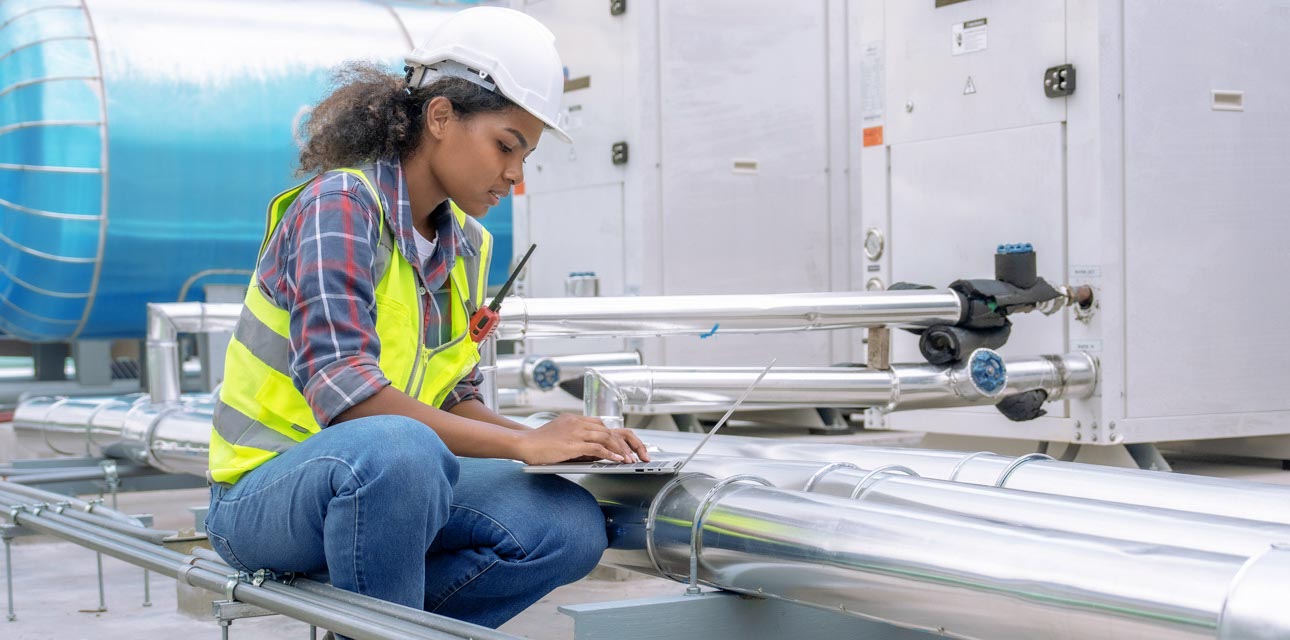
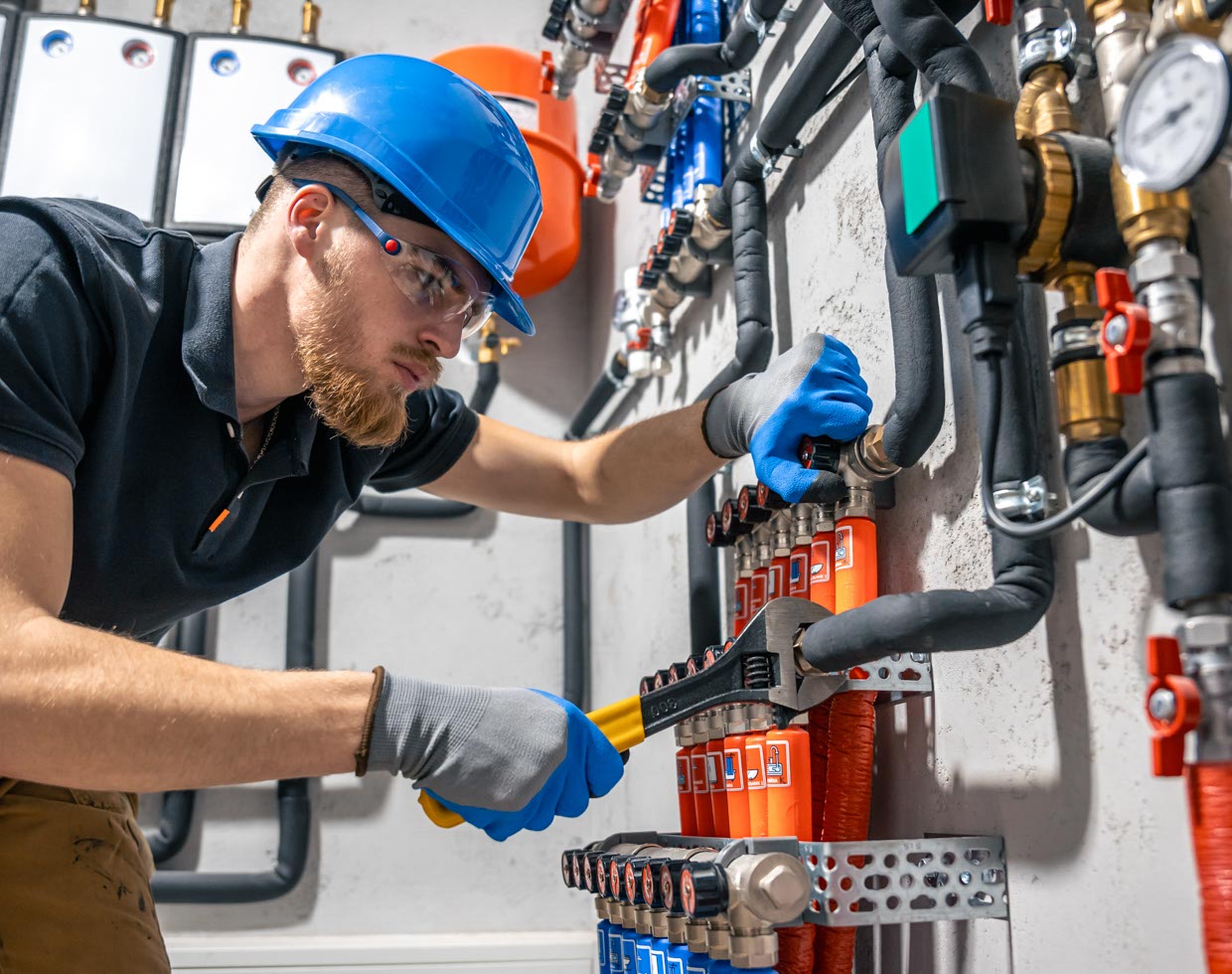
HVAC-R technicians are essential to keeping environments safe, efficient, and comfortable year-round. In this program, you will learn to install, maintain, and repair heating, cooling, ventilation, and refrigeration systems used in homes, businesses, and industrial settings. You’ll gain the problem-solving, technical, and safety skills needed to succeed in a field known for its strong demand and long-term career security.

At Mid-State, you’ll receive hands-on training with state-of-the-art equipment and expert guidance from instructors with real industry experience. You’ll graduate prepared for certification opportunities and ready to begin or advance your career in this high-growth skilled trade.

Program Facts

Total Credits
61 Credits
Degree Type
Associate in Applied Science (AAS)
Program Length
Two Years
Estimated Program Cost
$13,206.29
Financial Aid Eligibility
Fully Eligible

Program Outcomes

Graduates leave ready to succeed in their careers. Each year, data from Mid-State's Graduate Survey and statewide reports show consistently high satisfaction and strong starting salaries. Here's a snapshot of what success looks like after graduation.

Career Opportunities

Controls Technician
Installation and Service Technician,
Refrigeration Technician
Steamfitter
$61,310
Median Annual Salary
Recent program grads in Wisconsin earned a starting salary of $61,310. Source: Lightcast Data Set
222
Average Monthly Hires
222 of recent Wisconsin program grads landed jobs within six months of graduation. Source: Lightcast Data Set

Program Details

Take a closer look at what the program offers and what to expect.

Following is the list of courses within the program. Your course plan may vary, and you'll get a recommended sequence once you're enrolled. See the program information guide below for full course details or talk with your advisor.

Program Information Guide (PDF)

Full-Time Curriculum (61 Total Credits)

Credit for Prior Learning (CPL) options are available for some courses.

Term 1: (18 Credits)

Course Number

Course Name

CPL

Credits

10476171

Safety for Construction Trades

Yes

1

10482107

Construction Fundamentals

No

2

10483123

Piping Installation

No

2

10601130

Blueprint Reading for Construction Trades

No

2

10601140

Electricity for the Construction Trades

No

2

10601150

Fundamentals of HVAC

No

2

10804107

College Mathematics

Yes

3

31442320

Welding Foundations 1

No

1

10601110

HVAC Heating Fundamentals

No

2

10890102

GPS for Student Success

Yes

1

Term 2: (13 Credits)

Course Number

Course Name

CPL

Credits

10482103

Electrical Components & Control Circuits 1

No

2

10483113

Hydronics

No

3

10601121

Intro to HVAC Installation

No

2

10601123

Foundations of Air Conditioning & Refrigeration

No

3

10809103

Think Critically and Creatively

Yes

3

Term 3: (15 Credits)

Course Number

Course Name

CPL

Credits

10809198

Introduction to Psychology

Yes

3

10801195

Written Communication

Yes

3

10482113

Electrical Components and Control Circuits 2

No

3

10601124

Commercial Refrigeration

No

3

10483115

Energy Load Estimation and Modeling

No

3

Term 4: (15 Credits)

Course Number

Course Name

CPL

Credits

10601125

Sustainable Energies for HVAC-R

No

3

10601126

Commercial Building HVAC Systems

No

3

10601127

Mechanical Service & Troubleshooting

No

3

10801196

Oral/Interpersonal Communication

Yes

3

10809172

Introduction to Diversity Studies

Yes

3

Meet our full-time instructors.

Mark Haferman, AD
Mark earned his associate degree in industrial mechanical technologies from Mid-State Technical College. He is also a licensed Journeyman Steamfitter and Journeyman Plumber with EPA 608 certification. His teaching at Mid-State draws on 12 years of experience in HVAC, plumbing, and mechanical field service.

“Being a trades instructor is very fulfilling for me. I love to pour into students, share what I have learned through experience, work alongside them, and help them pursue their career in the trades.”

Karl Schwingel, BS
Karl graduated from Northland College with a bachelor of science in environmental science. His certifications include Solar Thermal Installer by the North American Board of Certified Energy Practitioners® (NABCEP®) and EPA 608. Karl’s teaching is informed by 25 years of experience installing and servicing renewable energy systems and doing general residential construction as well as 15 years specializing in hydronic heating system design, construction, and service.

“I really enjoy developing in my students the skill to ask the right questions, in the right way. If you learn to ask the right questions, the answers will yield actionable knowledge.”

Employers will expect graduates of this program to be able to:

  • Install HVAC/R components.
  • Service HVAC/R systems.
  • Troubleshoot HVAC/R systems.
  • Evaluate HVAC/R system designs.

Alongside your career training, you'll develop key workplace strengths. Explore the additional skills you'll build.

Employability Skills (PDF)

To succeed in this program, you'll need to meet certain technical standards. These are the key skills and abilities needed for the program and future career success—with or without reasonable accommodations. Be sure to review them carefully before you apply.

Technical Standards (PDF)

This program prepares you for licensure to work in Wisconsin. If you plan to work in another state, be sure to check that state's licensure requirements—Mid-State's program may not meet them all. If you've applied to the program and have any questions about this information, talk to your advisor.

Licensure Information (PDF)

Explore the resources and next steps below. Your academic advisor will help you know what to complete and when.

US Citizenship
US Citizenship is required to sit for this licensure exam.

Career Pathways

Career pathways help you build your education step by step. Each stage offers one or more credentials that are recognized by employers and lead to real jobs—and you can keep building toward your career goals as you go.

Prior Learning

Certificate

Technical Degree

Associate Degree

Bachelor's Degree

Get credit for what you already know. You may be able to earn college credit for prior learning through skills you’ve gained through high school classes, previous college work, self-study, military training, jobs, or volunteer experience.

  1. Credit for Prior Learning
  2. High School Dual Credit
  3. Mid-State Fast-Track – Open to high school students (age requirements apply)

Explore Other Options

Other Programs

Explore more Mid-State programs and find your path to success.

Workforce Training

Not ready for a full degree? Learn job-ready skills with our workforce training options.

Continuing Education

Add a new skill, explore a hobby, or take the next step in your career with our lifelong learning options.


Civil Engineering Technology-Highway Technician

Associate in Applied Science (AAS)

Why Civil Engineering Technology-Highway Technician?

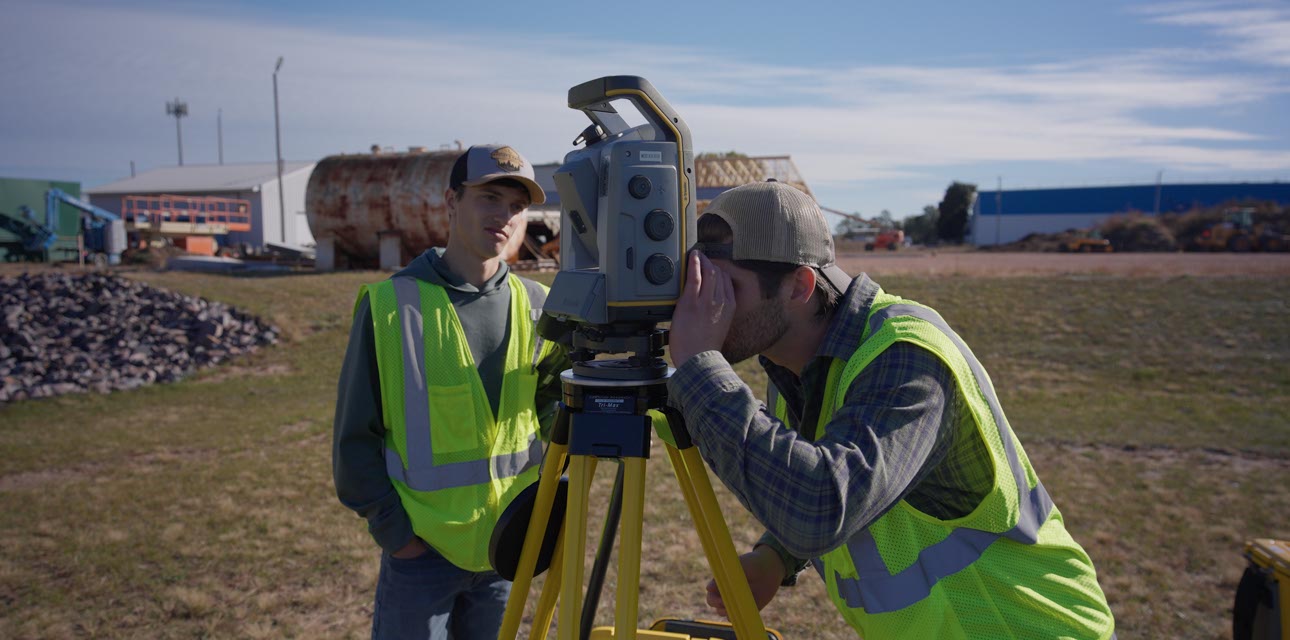
Civil engineering technicians play a vital role in designing, building, and maintaining the roads, bridges, and transportation systems that connect our communities. In this program, you will learn how to collect and analyze data, assist in design projects, and ensure the safety and quality of infrastructure construction. You will build the technical, mathematical, and problem-solving skills that make you a key contributor to the engineering process.

At Mid-State, you will train in the Advanced Manufacturing, Engineering, Technology and Apprenticeship (AMETA®) Center, learning directly from instructors through hands-on fieldwork, lab activities, and a capstone design project. You’ll graduate ready to join the workforce or advance toward professional licensure as a land surveyor.

Program Facts

Total Credits
68-69 Credits
Degree Type
Associate in Applied Science (AAS)
Program Length
Two Years
Estimated Program Cost
$12,895.21
Financial Aid Eligibility
Fully Eligible

Program Outcomes

Graduates leave ready to succeed in their careers. Each year, data from Mid-State's Graduate Survey and statewide reports show consistently high satisfaction and strong starting salaries. Here's a snapshot of what success looks like after graduation.

Career Opportunities

AutoCAD Specialist
Civil Engineering Technician
Inspection/Quality Control Technician
Land Survey Technician
Material Testing Technician
$61,497
Median Annual Salary
Recent program grads in Wisconsin earned a starting salary of $61,497. Source: Lightcast Data Set
6,115
Average Monthly Hires
6,115 of recent Wisconsin program grads landed jobs within six months of graduation. Source: Lightcast Data Set
100%
Mid-State Graduate Satisfaction Rate
Students leave proud, prepared, and confident in what comes next. Source: Mid-State Graduate Survey Results

Program Details

Take a closer look at what the program offers and what to expect.

Following is the list of courses within the program. Your course plan may vary, and you'll get a recommended sequence once you're enrolled. See the program information guide below for full course details or talk with your advisor.

Program Information Guide (PDF)

Full-Time Curriculum (68-69 Total Credits)

Credit for Prior Learning (CPL) options are available for some courses.

Term 1: (17 Credits)

Course Number

Course Name

CPL

Credits

10607106

Excel for Engineering

No

1

10607108

Intro to Civil 3D

Yes

1

10607145

Soils

No

3

10607155

Intro to Surveying

Yes

2

10623106

Introduction to AutoCAD

Yes

1

10623115

Intro to Engineering

No

1

10801136

English Composition 1

Yes

3

10804118

Intermediate Algebra with Applications

Yes

4

10890102

GPS for Student Success

Yes

1

Term 2: (16 Credits)

Course Number

Course Name

CPL

Credits

10487101

Drones and Remote Sensing

No

1

10607110

Cemented Aggregate Mixtures

No

4

10607150

Civil Engineering Drafting I

Yes

3

10607156

Surveying - Total Station

No

3

10607167

Inspection

No

2

10804196

Trigonometry with Applications

No

3

Term 3: (18-19)

Course Number

Course Name

CPL

Credits

10607117

GIS Fundamentals

No

2

10607118

Land Records

No

1

10607160

Civil Engineering Drafting II

No

2

10607170

Storm Water Management

No

3

10607171

Highway Surveying

No

2

10607174

GPS for Surveyors

No

2

10806143 or 10806154

College Physics 1 or General Physics 1

No

3 or 4

10809166 or 10809195

Introduction to Ethics: Theory & Application or Economics

Yes

3

Term 4: (17 Credits)

Course Number

Course Name

CPL

Credits

10607149

Highway Bridges, Medians, & Barriers

No

3

10607166

Construction Estimating & Management

No

3

10607180

Civil Engineering Capstone

No

2

10801198 or 10801196

Speech or Oral/Interpersonal Communication

Yes

3

10804195

College Algebra with Applications

Yes

3

10809198 or 10809188

Introduction to Psychology or Developmental Psychology

Yes

3

Meet our full-time instructors.

Michael Johnson, BS, MS, MBA
Michael holds an MBA from UW–Milwaukee, an MS in career and technical education from UW–Stout, and a BS in civil engineering from the Illinois Institute of Technology. He is also a certified professional engineer in the state of Wisconsin and holds a remote pilot’s license for commercial drone use. Michael has worked as a design engineer and construction inspector for eight years, including design and inspection of residential, commercial, and industrial developments. He completes ongoing professional development to keep his skills fresh and maintain his license as a professional engineer (PE).

“Technology is constantly changing the way we design and construct our country’s infrastructure, enabling us to build more efficiently than ever before. Being trained using the latest equipment and software makes our graduates extremely valuable to employers in our industry.”

Greg Webster, BCE, MS, MSCE
Greg earned both a BCE and MS from Auburn University and an MSCE from Purdue University, all in civil engineering. He is an NSPS Level IV Certified Survey Technician (Survey Field Manager) and holds five certifications in Wisconsin’s Highway Technician Certification Program. His experience includes work as a project engineer for multimillion-dollar wastewater treatment construction projects in four different states. He has also been a research technician on pavement material research projects for DOTs in Alabama and Indiana and has co-authored journal articles in Concrete International and ASCE Materials Journal on this research. He is an active member of the Wisconsin Society of Land Surveyors and is the Vice-President for the Central Chapter of the Wisconsin Society of Land Surveyors.

“Civil engineering provides our roads, airports, treatment facilities, and other municipal infrastructure we use every day. It is rewarding to play a role in projects that benefit our society—and help prepare students to move into in-demand careers as surveyors, inspectors, drafters, material testers, or estimators so they can tackle the challenges of our ever-growing population and ever-changing world.”

Employers will expect graduates of this program to be able to:

  • Utilize graphic techniques to produce engineering drawings.
  • Conduct standardized field and laboratory testing on civil engineering materials.
  • Utilize modern surveying methods for land measurements and/or construction layout.
  • Estimate material quantities and costs for civil engineering projects.
  • Utilize geometric elements to develop corridors.
  • Design storm systems to meet given design requirements.
  • Determine forces and stresses in elementary structural systems.
  • Employ productivity software to solve technical problems.

Alongside your career training, you'll develop key workplace strengths. Explore the additional skills you'll build.

Employability Skills (PDF)

To succeed in this program, you'll need to meet certain technical standards. These are the key skills and abilities needed for the program and future career success—with or without reasonable accommodations. Be sure to review them carefully before you apply.

Technical Standards (PDF)

Career Pathways

Career pathways help you build your education step by step. Each stage offers one or more credentials that are recognized by employers and lead to real jobs—and you can keep building toward your career goals as you go.

Prior Learning

Certificate

Technical Degree

Associate Degree

Bachelor's Degree

Get credit for what you already know. You may be able to earn college credit for prior learning through skills you’ve gained through high school classes, previous college work, self-study, military training, jobs, or volunteer experience.

  1. Credit for Prior Learning
  2. High School Dual Credit
  3. Mid-State Fast-Track – Open to high school students

Explore Other Options

Other Programs

Explore more Mid-State programs and find your path to success.

Workforce Training

Not ready for a full degree? Learn job-ready skills with our workforce training options.

Continuing Education

Add a new skill, explore a hobby, or take the next step in your career with our lifelong learning options.
Culinary Arts

Associate in Applied Science (AAS)

Why Culinary Arts?

A career in culinary arts blends creativity, precision, and passion for great food. In this program, you will learn essential culinary techniques and modern cooking skills that prepare you to excel in restaurants, catering operations, and other food service settings. You will develop your creativity, teamwork, and attention to detail while building a foundation for advancement in a fast-growing industry.

At Mid-State, you will learn from experienced culinary professionals in a state-of-the-art kitchen and dining environment that mirrors a real restaurant. Through a mix of online coursework and in-person practice, you’ll gain confidence and credentials to succeed in any culinary career path.

Program Facts

Total Credits
63-64 Credits
Degree Type
Associate in Applied Science (AAS)
Program Length
Two Years
Estimated Program Cost
$14,636.85
Financial Aid Eligibility
Fully Eligible

Program Outcomes

Graduates leave ready to succeed in their careers. Each year, data from Mid-State's Graduate Survey and statewide reports show consistently high satisfaction and strong starting salaries. Here's a snapshot of what success looks like after graduation.

Career Opportunities

Food and Beverage Director
Food Service Manager
Head Chef
Restaurant Manager
Sous Chef
$37,978
Median Annual Salary
Recent program grads in Wisconsin earned a starting salary of $37,978. Source: Lightcast Data Set
3,919
Average Monthly Hires
3,919 of recent Wisconsin program grads landed jobs within six months of graduation. Source: Lightcast Data Set
67%
Mid-State Graduate Satisfaction Rate
Students leave proud, prepared, and confident in what comes next. Source: Mid-State Graduate Survey Results

Program Details

Take a closer look at what the program offers and what to expect.

Following is the list of courses within the program. Your course plan may vary, and you'll get a recommended sequence once you're enrolled. See the program information guide below for full course details or talk with your advisor.

Program Information Guide (PDF)

Full-Time Curriculum (63-64 Total Credits)

Credit for Prior Learning (CPL) options are available for some courses.

Term 1: (16 Credits)

Course Number

Course Name

CPL

Credits

10316112

Sanitation for Foodservice Operations

Yes

1

10316121

Food Science

No

2

10316125

Introduction to Food Production

No

3

10316146

Culinary Calculations

No

3

10801195 or 10801136

Written Communication or English Composition 1

Yes

3

10809103

Think Critically & Creatively

Yes

3

10890102

GPS for Student Success

Yes

1

Term 2: (16-17)

Course Number

Course Name

CPL

Credits

10316128

Introduction to Foodservice

No

3

10316129

Culinary Internship

No

2

10316130

Introduction to Baking

No

2

10316138

Garde Manager

No

3

10801198 or 10801196

Speech or Oral/Interpersonal Communication

Yes

3

10804107 or 10804189 or 10804118

College Mathematics or Introductory Statistics or Intermediate Algebra with Applications

Yes

3 or 3 or 4

Term 3: (16 Credits)

Course Number

Course Name

CPL

Credits

10316113

Catering Operations

No

3

10316120

Advanced Professional Cooking

No

3

10316127

Menu Planning

No

3

10316131

Nutrition

Yes

2

10316132

Environmental Sustainability

No

1

10316133

Dining Room Customer Service

No

1

10809198

Introduction to Psychology

Yes

3

Term 4: (15 Credits)

Course Number

Course Name

CPL

Credits

10102232

Entrepreneurial Foundations

Yes

1

10196191

Supervision

Yes

3

10316137

Beverage Management

No

1

10316136

Purchasing & Receiving

No

3

10316139

Restaurant Operations

No

4

10809166

Introduction to Ethics: Theory & Application

Yes

3

Meet our full-time instructors.

Ryan Petrouske, AAS
Chef Ryan graduated Phi Theta Kappa with his culinary arts associate degree from Nicolet College. He holds certifications in culinary assistant, hospitality and restaurant management, controlling foodservice, and baking. Ryan has spent most of his working life in the restaurant industry, having progressed up the ranks in both kitchens and dining rooms to ultimately owning and running a successful restaurant in northern Wisconsin. He has a continued passion for the industry, which he is excited to instill in his students. Prior to teaching full-time for Mid-State he also taught part-time at Nicolet College.

“Knowledge is much like working in the hospitality industry—it doesn’t do us any good to hold it just for ourselves. Sharing our experience and talent with others makes the world a better place. This is my reward for being an educator. I not only get to share my knowledge but also get pushed to grow and learn from my students and other industry professionals. I am always pleased to see where our graduates end up after their training!”

Rich Neumann, MS, FMP
Rich earned his master of science in nutrition and food science from UW–Stevens Point. He is a ServSafe Certified Instructor and holds the Foodservice Management Professional (FMP) certification from the National Restaurant Association. Rich brings more than 41 years of collegiate dining experience, including 32 years at Ohio University. Before retiring in 2021, he served as director of culinary services, leading 16 dining operations and overseeing a $48 million budget. He also served as an adjunct professor in hospitality and co-authored a hospitality management textbook.

“I enjoy sharing my knowledge and passion for the food service industry and mentoring the future workforce.”

Employers will expect graduates of this program to be able to:

  • Apply principles of safety and sanitation in food service operations.
  • Apply principles of nutrition.
  • Demonstrate culinary skills.
  • Manage food service operations.
  • Plan menus.
  • Analyze food service financial information.
  • Relate food service operations to sustainability.

Alongside your career training, you'll develop key workplace strengths. Explore the additional skills you'll build.

Employability Skills (PDF)

To succeed in this program, you'll need to meet certain technical standards. These are the key skills and abilities needed for the program and future career success—with or without reasonable accommodations. Be sure to review them carefully before you apply.

Technical Standards (PDF)

Career Pathways

Career pathways help you build your education step by step. Each stage offers one or more credentials that are recognized by employers and lead to real jobs—and you can keep building toward your career goals as you go.

Prior Learning

Certificate

Technical Degree

Associate Degree

Bachelor's Degree

Get credit for what you already know. You may be able to earn college credit for prior learning through skills you’ve gained through high school classes, previous college work, self-study, military training, jobs, or volunteer experience.

  1. Credit for Prior Learning
  2. High School Dual Credit
  3. Mid-State Fast-Track – Open to high school students

Explore Other Options

Other Programs

Explore more Mid-State programs and find your path to success.

Workforce Training

Not ready for a full degree? Learn job-ready skills with our workforce training options.

Continuing Education

Add a new skill, explore a hobby, or take the next step in your career with our lifelong learning options.
Human Resources

Associate in Applied Science (AAS)

Why Human Resources?

Human resources professionals are the foundation of every successful organization, helping businesses attract, retain, and develop talented employees. In this program, you will learn to manage essential HR functions such as recruiting, onboarding, training, and employee relations while developing the communication and leadership skills needed to make a positive impact in any workplace.

At Mid-State, you’ll gain real-world experience through simulations, interactive projects, and connections with local employers. Courses are offered in person or fully online, giving you the flexibility to balance your education with work and life. You’ll graduate ready for entry-level HR roles in any industry—or to continue your studies in business or management.

Program Facts

Total Credits
61-62 Credits
Degree Type
Associate in Applied Science (AAS)
Program Length
Two Years
Estimated Program Cost
$11,159.99
Financial Aid Eligibility
Fully Eligible

Program Outcomes

Graduates leave ready to succeed in their careers. Each year, data from Mid-State's Graduate Survey and statewide reports show consistently high satisfaction and strong starting salaries. Here's a snapshot of what success looks like after graduation.

Career Opportunities

Compensation, Benefits, and Job Analysis Specialist
Human Resources Specialist
Payroll/Benefits Specialist
Staffing Administrator
Training and Development Specialist
$71,318
Median Annual Salary
Recent program grads in Wisconsin earned a starting salary of $71,318. Source: Lightcast Data Set
1,872
Average Monthly Hires
1,872 of recent Wisconsin program grads landed jobs within six months of graduation. Source: Lightcast Data Set

Program Details

Take a closer look at what the program offers and what to expect.

Following is the list of courses within the program. Your course plan may vary, and you'll get a recommended sequence once you're enrolled. See the program information guide below for full course details or talk with your advisor.

Program Information Guide (PDF)

Full-Time Curriculum (61-62 Total Credits)

Credit for Prior Learning (CPL) options are available for some courses.

Term 1: (17 Credits)

Course Number

Course Name

CPL

Credits

10102231

Business Networking

No

1

10103106

Microsoft Office-Introduction

Yes

3

10106106

Quality Customer Service

Yes

3

10196190

Leadership Development

Yes

3

10801195 or 10801136

Written Communication or English Composition 1

Yes

3

10801196 or 10801198

Oral/Interpersonal Communication or Speech

Yes

3

10890102

GPS for Student Success

Yes

1

Term 2: (16 Credits)

Course Number

Course Name

CPL

Credits

10101140

Accounting 1

Yes

3

10102110

Employment Law

No

3

10102230

Business Communities

No

1

10196191

Supervision

Yes

3

10196193

Human Resource Management

Yes

3

10809172 or 10809196 or 10809122

Introduction to Diversity Studies or Introduction to Sociology or Introduction to American Government

Yes

3

Term 3: (13-14)

Course Number

Course Name

CPL

Credits

10102233

Negotiation Skills

No

1

10196135

Conflict Resolution

No

3

10196163

Managing Risk & Safety

Yes

3

10804107 or 10804118 or 10804189

College Mathematics or Intermediate Algebra with Applications or Introductory Statistics

Yes

3 or 4 or 3

10809195

Economics

Yes

3

Term 4: (15 Credits)

Course Number

Course Name

CPL

Credits

10101120

Payroll Accounting

Yes

3

10116153

Compensation and Benefits

No

3

10116154

Recruiting and Hiring

No

3

10196171

Organizational Development

Yes

3

10809198 or 10809188

Introduction to Psychology or Developmental Psychology

Yes

3

Employers will expect graduates of this program to be able to:

  • Design an organizational workforce plan.
  • Develop training programs.
  • Analyze organizational total rewards programs.
  • Incorporate employment law into business practices.
  • Apply employee relations techniques.

Alongside your career training, you'll develop key workplace strengths. Explore the additional skills you'll build.

Employability Skills (PDF)

To succeed in this program, you'll need to meet certain technical standards. These are the key skills and abilities needed for the program and future career success—with or without reasonable accommodations. Be sure to review them carefully before you apply.

Technical Standards (PDF)

Career Pathways

Career pathways help you build your education step by step. Each stage offers one or more credentials that are recognized by employers and lead to real jobs—and you can keep building toward your career goals as you go.

Prior Learning

Certificate

Technical Degree

Associate Degree

Bachelor's Degree

Get credit for what you already know. You may be able to earn college credit for prior learning through skills you’ve gained through high school classes, previous college work, self-study, military training, jobs, or volunteer experience.

  1. Credit for Prior Learning
  2. High School Dual Credit
  3. Mid-State Fast-Track – Open to high school students

Explore Other Options

Other Programs

Explore more Mid-State programs and find your path to success.

Workforce Training

Not ready for a full degree? Learn job-ready skills with our workforce training options.

Continuing Education

Add a new skill, explore a hobby, or take the next step in your career with our lifelong learning options.
Business Management

Associate in Applied Science (AAS)

Why Business Management?

Strong leadership drives success in every organization. In this program, you will learn how to manage people, operations, and resources to help businesses thrive. You will develop the communication, problem-solving, and strategic thinking skills needed to lead teams, motivate employees, and create positive, productive workplaces.

At Mid-State, you can complete your degree fully online or through a mix of in-person and virtual classes. Guest speakers, field trips, business tours, and professional organization presentations are combined with hands-on simulations, mock interviews, and projects for local businesses. You’ll graduate ready to lead with confidence in today’s fast-changing business world.

Program Facts

Total Credits
65-66 Credits
Degree Type
Associate in Applied Science (AAS)
Program Length
Two Years
Estimated Program Cost
$12,005.85
Financial Aid Eligibility
Fully Eligible

Program Outcomes

Graduates leave ready to succeed in their careers. Each year, data from Mid-State's Graduate Survey and statewide reports show consistently high satisfaction and strong starting salaries. Here's a snapshot of what success looks like after graduation.

Career Opportunities

Account Executive
Department Supervisor
Office Manager
Production Supervisor
Store Leader
$75,635
Median Annual Salary
Recent program grads in Wisconsin earned a starting salary of $75,635. Source: Lightcast Data Set
4,983
Average Monthly Hires
4,983 of recent Wisconsin program grads landed jobs within six months of graduation. Source: Lightcast Data Set
100%
Mid-State Graduate Satisfaction Rate
Students leave proud, prepared, and confident in what comes next. Source: Mid-State Graduate Survey Results

Program Details

Take a closer look at what the program offers and what to expect.

Following is the list of courses within the program. Your course plan may vary, and you'll get a recommended sequence once you're enrolled. See the program information guide below for full course details or talk with your advisor.

Program Information Guide (PDF)

Full-Time Curriculum (65-66 Total Credits)

Credit for Prior Learning (CPL) options are available for some courses.

Term 1: (17 Credits)

Course Number

Course Name

CPL

Credits

10102101

Introduction to Business

Yes

3

10102231

Business Networking

No

1

10106106

Quality Customer Service

Yes

3

10196190 or 10102138

Leadership Development or Organizational Behavior

Yes

3

10801195 or 10801136

Written Communication or English Composition 1

Yes

3

10801196 or 10801198

Oral/Interpersonal Communication or Speech

Yes

3

10890102

GPS for Student Success

Yes

1

Term 2: (16 Credits)

Course Number

Course Name

CPL

Credits

10101140 or 10102178

Accounting 1 or Personal Finance

Yes

3

10102230

Business Communities

No

1

10103106

Microsoft Office-Introduction

Yes

3

10104102

Marketing Principles

Yes

3

10106190

Professional Business Skills

Yes

3

10196189

Team Building & Problem Solving

No

3

Term 3: (16-17)

Course Number

Course Name

CPL

Credits

10102110

Employment Law

No

3

10102233

Negotiation Skills

No

1

10196191

Supervision

Yes

3

10196193

Human Resource Management

Yes

3

10804107 or 10804118 or 10804189

College Mathematics or Intermediate Algebra with Applications or Introductory Statistics

Yes

3 or 4 or 3

10809172 or 10809196 or 10809122

Introduction to Diversity Studies or Introduction to Sociology or Introduction to American Government

Yes

3

Term 4: (16 Credits)

Course Number

Course Name

CPL

Credits

10102104

Business Law

Yes

3

10102160

Business Decision Making

No

3

10102232

Entrepreneurial Foundations

Yes

1

10196192

Managing for Quality

No

3

10809188 or 10809198

Developmental Psychology or Introduction to Psychology

Yes

3

10809195

Economics

Yes

3

Meet our full-time instructors.

Brian Bartel, BS, MS, EdD
Dr. Bartel received his doctorate from the University of Wisconsin–Stout. His professional experience includes twenty plus years working within the financial, Investment, and insurance industries in a variety of managerial roles and for a number of well-known and local companies, including Sentry Insurance, Thrivent Financial, and American Express.

“Learning is a lifelong journey—investing in yourself will be, by far, the best investment you may ever make!”

Morgan Vanderhei, BS
Morgan (also known as “Mo”) began her higher education journey at a two-year college with general education courses before deciding on a career path. She later earned her BS in business administration with minors in communication and economics from UW–Stevens Point. She started in outreach at Mid-State Technical College in 2019, working closely with K–12 schools, before taking on her current faculty position. Prior to that she worked as a marketing communications director for the Wisconsin Rapids Area Convention and Visitors Bureau (WRACVB). Being part of a smaller nonprofit for several years allowed her to take on many leadership roles, diversify her business experience, and engage with her community through involvement in a variety of organizations and events.

“My goal is to meet students where they are at in their journey, helping them get to where they want to be—not just imparting knowledge but igniting a passion for learning that lasts a lifetime.”

Employers will expect graduates of this program to be able to:

  • Plan the operations of a business across functional areas.
  • Organize resources to achieve the goals of the organization.
  • Direct individuals and/or processes to meet organizational goals.
  • Control business processes.

Alongside your career training, you'll develop key workplace strengths. Explore the additional skills you'll build.

Employability Skills (PDF)

To succeed in this program, you'll need to meet certain technical standards. These are the key skills and abilities needed for the program and future career success—with or without reasonable accommodations. Be sure to review them carefully before you apply.

Technical Standards (PDF)

Career Pathways

Career pathways help you build your education step by step. Each stage offers one or more credentials that are recognized by employers and lead to real jobs—and you can keep building toward your career goals as you go.

Prior Learning

Certificate

Technical Degree

Associate Degree

Bachelor's Degree

Get credit for what you already know. You may be able to earn college credit for prior learning through skills you’ve gained through high school classes, previous college work, self-study, military training, jobs, or volunteer experience.

  1. Credit for Prior Learning
  2. High School Dual Credit
  3. Mid-State Fast-Track – Open to high school students

Explore Other Options

Other Programs

Explore more Mid-State programs and find your path to success.

Workforce Training

Not ready for a full degree? Learn job-ready skills with our workforce training options.

Continuing Education

Add a new skill, explore a hobby, or take the next step in your career with our lifelong learning options.

Automation & Instrumentation Technology

Associate in Applied Science (AAS)

Why Automation & Instrumentation Technology?

Automation and instrumentation drive precision and efficiency behind modern manufacturing. In this program, you will learn to measure, control, and optimize industrial processes to save energy, reduce downtime, and improve production quality. You will develop the math, electronics, and problem-solving skills that keep high-tech industries running smoothly.

Unique in the Wisconsin Technical College System, the Automation & Instrumentation Technology program at Mid-State prepares graduates to measure and control industrial processes in today’s advanced manufacturing environments. At Mid-State, you will train in the Advanced Manufacturing, Engineering, Technology and Apprenticeship (AMETA®) Center, learning directly from instructors with industry experience. You’ll gain real-world experience working with the same tools and technologies used in the field and graduate ready for high-demand technical positions. 

Program Facts

Total Credits
62 Credits
Degree Type
Associate in Applied Science (AAS)
Program Length
Two Years
Estimated Program Cost
$11,791.44
Financial Aid Eligibility
Fully Eligible

Program Outcomes

Graduates leave ready to succeed in their careers. Each year, data from Mid-State's Graduate Survey and statewide reports show consistently high satisfaction and strong starting salaries. Here's a snapshot of what success looks like after graduation.

Career Opportunities

Automation/Controls Technician
Electrical and Instrumentation Technician
Industrial Electrician
Instrument Technician
Process Control Technician
$65,034
Median Annual Salary
Recent program grads in Wisconsin earned a starting salary of $65,034. Source: Lightcast Data Set
9
Average Monthly Hires
9 of recent Wisconsin program grads landed jobs within six months of graduation. Source: Lightcast Data Set
100%
Mid-State Graduate Satisfaction Rate
Students leave proud, prepared, and confident in what comes next. Source: Mid-State Graduate Survey Results

Program Details

Take a closer look at what the program offers and what to expect.

Following is the list of courses within the program. Your course plan may vary, and you'll get a recommended sequence once you're enrolled. See the program information guide below for full course details or talk with your advisor.

Program Information Guide (PDF)

Full-Time Curriculum (62 Total Credits)

Credit for Prior Learning (CPL) options are available for some courses.

Term 1: (17 Credits)

Course Number

Course Name

CPL

Credits

10605105

Electrical Circuits I

Yes

3

10605112

Process Documentation

Yes

1

10605131

Process Equipment

No

2

10605169

Instrumentation Principles

Yes

3

10801136

English Composition 1

Yes

3

10804118

Intermediate Algebra with Applications

Yes

4

10890102

GPS for Student Success

Yes

1

Term 2: (16 Credits)

Course Number

Course Name

CPL

Credits

10462107

Industrial Safety

Yes

2

10605110

Electrical Circuits II

No

3

10605117

Automation 1 - Beginning PLC

Yes

3

10605145

Industrial Networking

No

2

10607106

Excel for Engineering

No

1

10664128

AutoCAD Electrical

No

2

10804196

Trigonometry with Applications

No

3

Term 3: (16 Credits)

Course Number

Course Name

CPL

Credits

10462133

Electric Controls for Industrial Automation

No

3

10605109

Process Measurements Instrumentation

No

2

10605118

Automation 2 - Advanced PLC

No

3

10605121

Process Control Strategies

No

2

10804195

College Algebra with Applications

Yes

3

10809198 or 10809188

Introduction to Psychology or Developmental Psychology

Yes

3

Term 4: (13 Credits)

Course Number

Course Name

CPL

Credits

10462131

Industrial Electric Power Applications

No

2

10605119

Automation 3 - HMI’s & Robotics

No

2

10605133

Process Troubleshooting Strategies

No

1

10605172

Process Systems

No

2

10801198 or 10801196

Speech or Oral/Interpersonal Communication

Yes

3

10809166 or 10809122

 Introduction to Ethics: Theory & Application or Introduction to American Government

Yes

3

Meet our full-time instructors.

Robert Brylski, BS, MS
Robert earned his master of science degree from Florida State University. His experience includes engineering, management and executive positions in the energy industry as well as trade organizations. He has also taught for several years at colleges throughout Wisconsin in a wide range of subjects, including chemistry, engineering, energy, and brewing science. He currently owns an energy consulting company and is chief operating officer for a fuel production company.

“I believe we can make a positive difference in the lives of others through what we do every day. Teaching provides a direct pathway and is one of the most significant ways to create positive change for others. I have learned through my experiences that there are similarities across disciplines and that learning the fundamentals of one subject often transfers to new, seemingly unrelated subjects. This is what I try to impress upon my students every day.”

Employers will expect graduates of this program to be able to:

  • Apply safety standards.
  • Utilize troubleshooting strategies.
  • Optimize instrumentation systems.
  • Optimize hardware and output devices.
  • Demonstrate programming in ladder logic.
  • Demonstrate networking principles.

Alongside your career training, you'll develop key workplace strengths. Explore the additional skills you'll build.

Employability Skills (PDF)

To succeed in this program, you'll need to meet certain technical standards. These are the key skills and abilities needed for the program and future career success—with or without reasonable accommodations. Be sure to review them carefully before you apply.

Technical Standards (PDF)

Career Pathways

Career pathways help you build your education step by step. Each stage offers one or more credentials that are recognized by employers and lead to real jobs—and you can keep building toward your career goals as you go.

Prior Learning

Certificate

Technical Degree

Associate Degree

Bachelor's Degree

Get credit for what you already know. You may be able to earn college credit for prior learning through skills you’ve gained through high school classes, previous college work, self-study, military training, jobs, or volunteer experience.

  1. Credit for Prior Learning
  2. High School Dual Credit
  3. Mid-State Fast-Track – Open to high school students

Explore Other Options

Other Programs

Explore more Mid-State programs and find your path to success.

Workforce Training

Not ready for a full degree? Learn job-ready skills with our workforce training options.

Continuing Education

Add a new skill, explore a hobby, or take the next step in your career with our lifelong learning options.

Arborist Technician

Associate in Applied Science (AAS)

Why Arborist Technician?

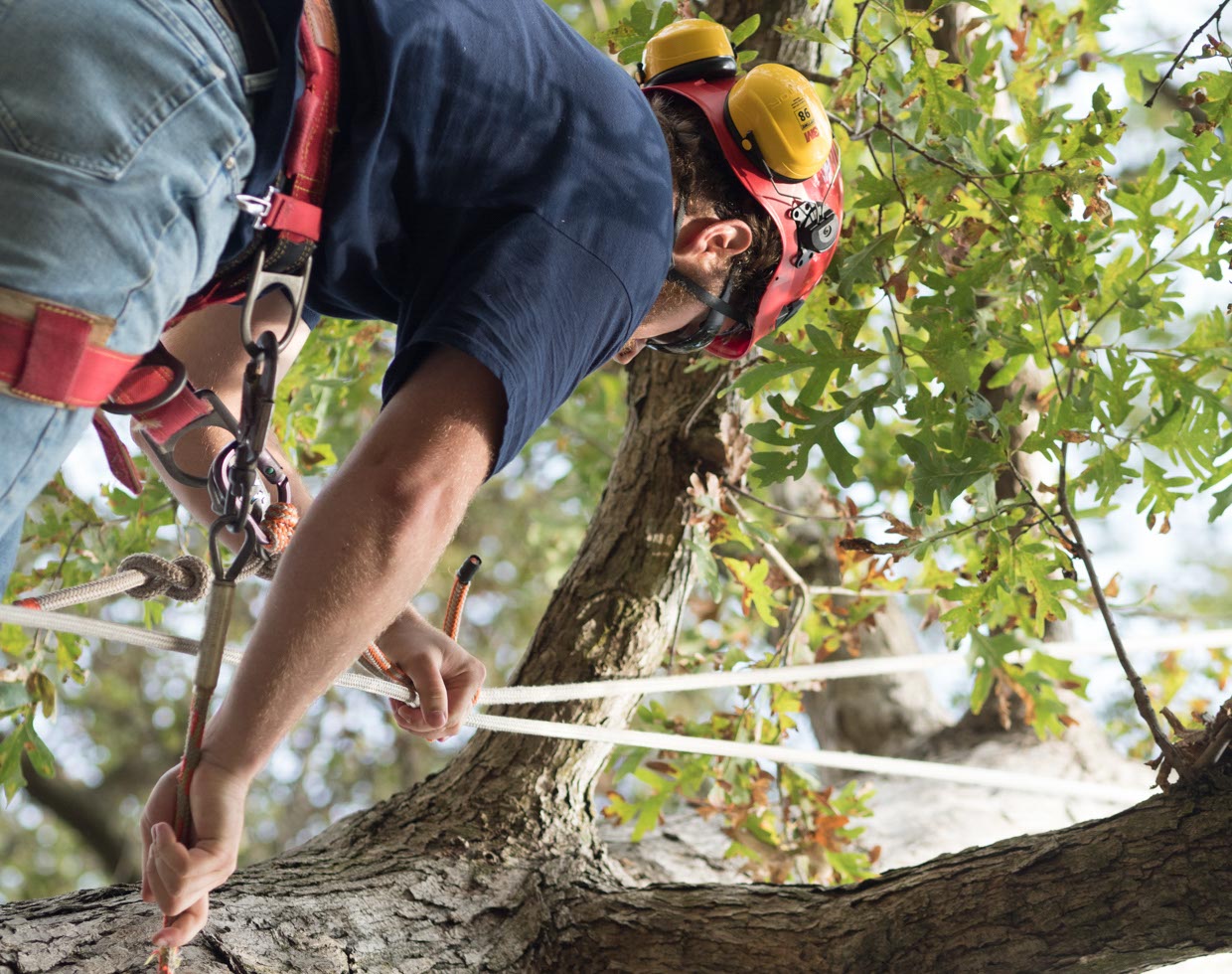
Arboriculture is an exciting field that blends science, skill, and adventure to care for trees and the environments they sustain. In this program, you will learn to plant, prune, and maintain trees using industry-recognized best practices. You will gain technical knowledge and hands-on experience to keep communities green, healthy, and safe while enjoying a rewarding career outdoors.

At Mid-State, you will train in real-world settings with expert instructors who bring years of professional experience. You’ll graduate ready for immediate employment or transfer your credits toward a bachelor’s degree.

Program Facts

Total Credits
61-62 Credits
Degree Type
Associate in Applied Science (AAS)
Program Length
Two Years
Estimated Program Cost
$11,158.37
Financial Aid Eligibility
Fully Eligible

Program Outcomes

Graduates leave ready to succeed in their careers. Each year, data from Mid-State's Graduate Survey and statewide reports show consistently high satisfaction and strong starting salaries. Here's a snapshot of what success looks like after graduation.

Career Opportunities

Arborist (commercial, utility, government)
Landscape Contractor
Plant Health Care Technician
Tree Trimmer/Climber
Utility Vegetation Management Technician
$65,571
Median Annual Salary
Recent program grads in Wisconsin earned a starting salary of $65,571. Source: Lightcast Data Set
23
Average Monthly Hires
23 of recent Wisconsin program grads landed jobs within six months of graduation. Source: Lightcast Data Set
100%
Mid-State Graduate Satisfaction Rate
Students leave proud, prepared, and confident in what comes next. Source: Mid-State Graduate Survey Results

Program Details

Take a closer look at what the program offers and what to expect.

Following is the list of courses within the program. Your course plan may vary, and you'll get a recommended sequence once you're enrolled. See the program information guide below for full course details or talk with your advisor.

Program Information Guide (PDF)

Full-Time Curriculum (61-62 Total Credits)

Credit for Prior Learning (CPL) options are available for some courses.

Term 1: (16 Credits)

Course Number

Course Name

CPL

Credits

10001118

Landscape Plant Identification

Yes

2

10001124

Arborist Skills Introduction

No

2

10001133

Chainsaw Safety and Operation

No

2

10001173

Pruning for Structure

Yes

2

10001108

Electric Systems & Safety in Arboriculture

Yes

1

10001199

Natural Resource Management

No

3

10801198 or 10801196

Speech or Oral/Interpersonal Communication

Yes

3

10890102

GPS for Student Success

Yes

1

Term 2: (15 Credits)

Course Number

Course Name

CPL

Credits

10001102

Plant Health Care Applicator

Yes

2

10001110

Tree Biology

No

2

10001111

Intro to Horticulture

No

2

10001125

Arboriculture Operations 1

No

2

10001150

Workplace Communication in Arboriculture

No

1

10806112

Principles of Sustainability

Yes

3

10809166

Introduction to Ethics: Theory & Application

Yes

3

Term 3: (16-17)

Course Number

Course Name

CPL

Credits

10001105

Dendrology and Silvics

No

3

10001115

Root Management

No

2

10001126

Arboriculture Operations 2

No

2

10001120

Tree Disease

No

3

10801195 or 10801136

Written Communication or English Composition 1

Yes

3

10804107 or 10804189

College Mathematics or Intermediate Algebra with Applications

Yes

3 or 4

Term 4: (14 Credits)

Course Number

Course Name

CPL

Credits

10001103

Applied Arboriculture & Urban Forestry

No

2

10001113

Landscape Entomology

No

3

10001149

Urban Ecology

No

3

10001198

Urban Soils

No

3

10809198 or 10809188

Introduction to Psychology or Developmental Psychology

Yes

3

Meet our full-time instructors.

Joe Hoffman, BS, MF
To students and apprentices pursuing rewarding careers in arboriculture, Joe brings the experience of 15+ years in the field and over two decades of teaching and training. The joy he derives from serving students is evidenced by several years of bringing students to industry conferences and leading student clubs. Joe is also an ISA Certified Arborist®, earned his bachelor’s in urban forestry from UW-Stevens Point, and holds a master of forestry degree from Virginia Tech.

“There’s great joy in walking alongside people and helping them experience their curiosities blossoming into discovery and learning.”

Luke Scheberl, MS
Luke earned his MS in soil science from UW–Stevens Point. He also holds a BS in urban forestry. He is an ISA Certified Arborist® and a Wisconsin Certified Pesticide Applicator (3.0). His experience includes over 10 years in landscape/turf management, commercial tree care (climbing, lift, planting, and treating), tree inventories, soil assessment, and research. He taught for three years at Gateway Technical College in Kenosha before joining Mid-State Technical College full-time in 2021.

“Arboriculture isn’t just another job. It is a passionate industry where outside is your daily office and trees are your clients! We do have fun here!”

Employers will expect graduates of this program to be able to:

  • Diagnose ornamental plant disorders.
  • Identify woody plants by common and scientific name.
  • Apply tree biology for arboricultural maintenance practices.
  • Adhere to industry safety standards.

Alongside your career training, you'll develop key workplace strengths. Explore the additional skills you'll build.

Employability Skills (PDF)

To succeed in this program, you'll need to meet certain technical standards. These are the key skills and abilities needed for the program and future career success—with or without reasonable accommodations. Be sure to review them carefully before you apply.

Technical Standards (PDF)

Career Pathways

Career pathways help you build your education step by step. Each stage offers one or more credentials that are recognized by employers and lead to real jobs—and you can keep building toward your career goals as you go.

Prior Learning

Certificate

Technical Degree

Associate Degree

Bachelor's Degree

Get credit for what you already know. You may be able to earn college credit for prior learning through skills you’ve gained through high school classes, previous college work, self-study, military training, jobs, or volunteer experience.

  1. Credit for Prior Learning
  2. High School Dual Credit
  3. Mid-State Fast-Track – Open to high school students

Explore Other Options

Other Programs

Explore more Mid-State programs and find your path to success.

Workforce Training

Not ready for a full degree? Learn job-ready skills with our workforce training options.

Continuing Education

Add a new skill, explore a hobby, or take the next step in your career with our lifelong learning options.

AI Data Specialist

Associate in Applied Science (AAS)

Why AI Data Specialist?

AI data specialists sit at the intersection of technology, data, and innovation, turning complex information into intelligent solutions that shape how organizations operate. In this program, you’ll learn how data fuels automation, improves decision-making, and powers AI systems used across business, manufacturing, and beyond. It’s a career for curious problem-solvers who want to work at the leading edge of technology.

This program is a shared program with Waukesha County Technical College (WCTC). Students experience hands-on, career-focused learning using industry tools and technologies. You’ll work with industry tools to collect, analyze, and model data while exploring responsible and ethical uses of artificial intelligence. Through projects, an internship, and a capstone experience, you’ll build a strong technical foundation and a professional portfolio that demonstrates your ability to design and deploy AI-driven solutions.

Program Facts

Total Credits
62 Credits
Degree Type
Associate in Applied Science (AAS)
Program Length
Two Years
Estimated Program Cost
$11,400.00
Financial Aid Eligibility
Fully Eligible

Program Outcomes

Graduates leave ready to succeed in their careers. Each year, data from Mid-State's Graduate Survey and statewide reports show consistently high satisfaction and strong starting salaries. Here's a snapshot of what success looks like after graduation.

Career Opportunities

AI Data Technician
AI Support Analyst
Machine Learning Data Specialist
Manufacturing Data Analyst
Smart Manufacturing Data Technician
$101,889
Median Annual Salary
Recent program grads in Wisconsin earned a starting salary of $101,889. Source: Lightcast Data Set
147
Average Monthly Hires
147 of recent Wisconsin program grads landed jobs within six months of graduation. Source: Lightcast Data Set

Program Details

Take a closer look at what the program offers and what to expect.

Following is the list of courses within the program. Your course plan may vary, and you'll get a recommended sequence once you're enrolled. See the program information guide below for full course details or talk with your advisor.

Program Information Guide (PDF)

Full-Time Curriculum (62 Total Credits)

Credit for Prior Learning (CPL) options are available for some courses.

Term 1: (7 Credits)

Course Number

Course Name

CPL

Credits

10156119

Data Concepts

No

2

10605133

Intro to Operation Tech

No

2

10804133

Mathematics and Logic

No

3

Term 2: (7 Credits)

Course Number

Course Name

CPL

Credits

10156107

Data Modeling

No

2

10156109

Intro to SQL

No

2

10156114

Business Applications of AI

No

3

Term 3: (9 Credits)

Course Number

Course Name

CPL

Credits

10152101

Python Programming

No

1

10156102

Advanced SQL

No

3

10156110

Data Visualization & Reporting

No

2

10801136

English Composition I

Yes

3

Term 4: (4 Credits)

Course Number

Course Name

CPL

Credits

10150190

Network Fundamentals

No

2

10156113

Python Data Manipulation

No

2

Term 5: (6 Credits)

Course Number

Course Name

CPL

Credits

10804189

Introductory Statistics

Yes

3

10809198

Intro to Psychology

Yes

3

Term 6: (7 Credits)

Course Number

Course Name

CPL

Credits

10156111

Intro to Data Analytics

No

2

10664158

Operational Tech Applications

No

2

10801197

Technical Reporting

No

3

Term 7: (7 Credits)

Course Number

Course Name

CPL

Credits

10156112

Predictive Analytics

No

2

10156115

Computer Vision

No

2

10664150

Industrial Data Acquisition

No

3

Term 8: (1 Credits)

Course Number

Course Name

CPL

Credits

10890108

Employment Success

No

1

Term 9: (10 Credits)

Course Number

Course Name

CPL

Credits

10156117

Big Data Engineering

No

3

10156118

AI/Data Capstone

No

4

10809143

Microeconomics

No

3

Term 10: (2 Credits)

Course Number

Course Name

CPL

Credits

10156116

Natural Language Processing

No

2

Term 11: (2 Credits)

Course Number

Course Name

CPL

Credits

10107123

Internship IT

No

2

Employers will expect graduates of this program to be able to:

  • Communicate with stakeholders.
  • Acquire data from a variety of common data sources.
  • Transform data to meet business and technical needs.
  • Evaluate machine learning models.
  • Implement AI solutions.
  • Examine the various applications of AI in industry.
  • Navigate the ethical implications of various types of AI solutions.

Alongside your career training, you'll develop key workplace strengths. Explore the additional skills you'll build.

Employability Skills (PDF)

To succeed in this program, you'll need to meet certain technical standards. These are the key skills and abilities needed for the program and future career success—with or without reasonable accommodations. Be sure to review them carefully before you apply.

Technical Standards (PDF)

Career Pathways

Career pathways help you build your education step by step. Each stage offers one or more credentials that are recognized by employers and lead to real jobs—and you can keep building toward your career goals as you go.

Prior Learning

Certificate

Technical Degree

Associate Degree

Bachelor's Degree

Get credit for what you already know. You may be able to earn college credit for prior learning through skills you’ve gained through high school classes, previous college work, self-study, military training, jobs, or volunteer experience.

  1. Credit for Prior Learning
  2. High School Dual Credit
  3. Mid-State Fast-Track – Open to high school students

Explore Other Options

Other Programs

Explore more Mid-State programs and find your path to success.

Workforce Training

Not ready for a full degree? Learn job-ready skills with our workforce training options.

Continuing Education

Add a new skill, explore a hobby, or take the next step in your career with our lifelong learning options.