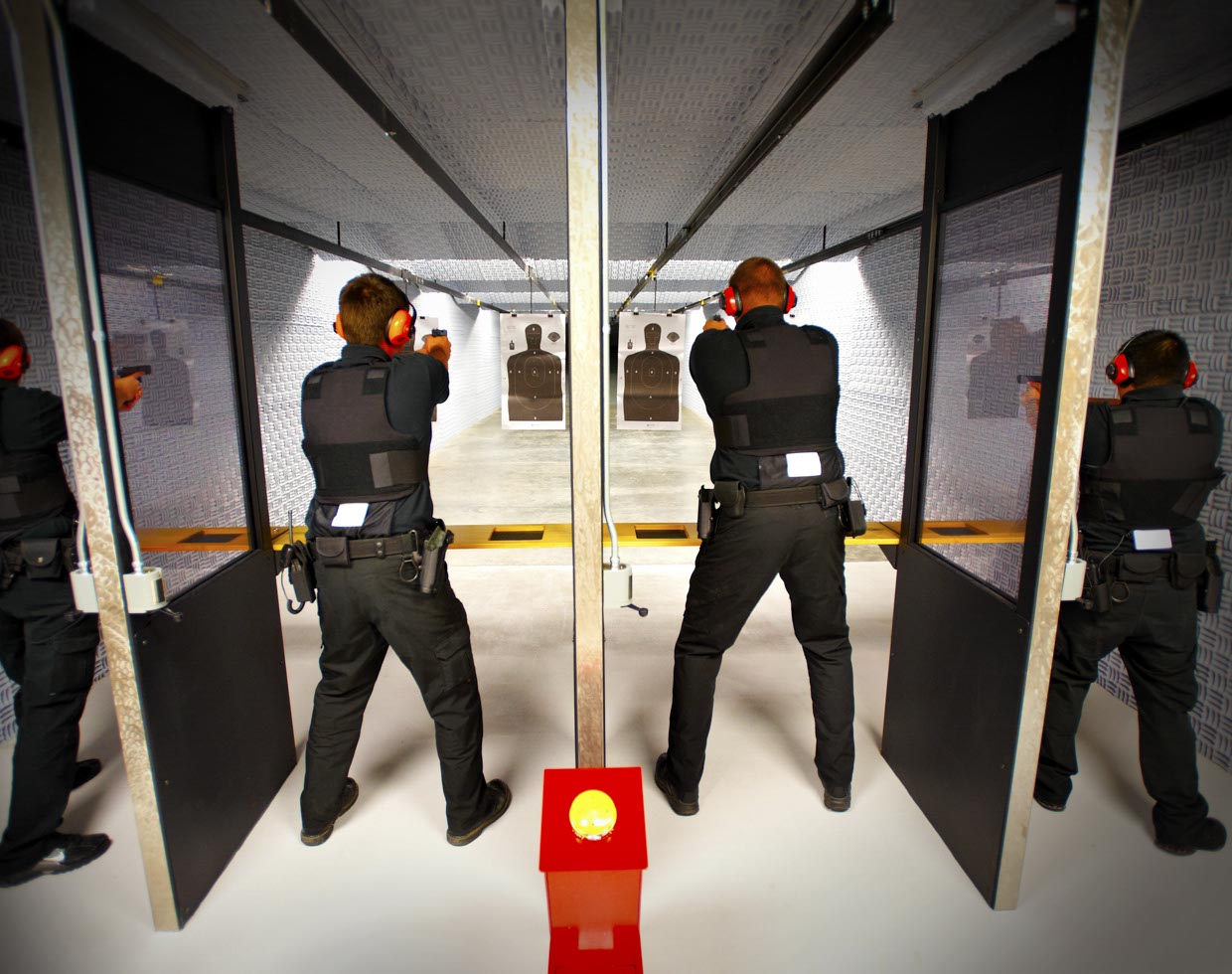
Substance Use Disorder Counselor (SUDC)

Associate in Applied Science (AAS)

Why Substance Use Disorder Counselor (SUDC)?

Substance use disorder counselors are a critical connection between addiction and recovery. In this program, you’ll learn how counselors support individuals struggling with substance use through assessment, counseling, treatment planning, and ongoing support. You’ll explore how addiction impacts individuals and families while developing the skills needed to help clients recognize triggers, build coping strategies, and move toward lasting change.

At Mid-State, you’ll gain preparation for entry-level counseling roles in healthcare, treatment centers, and community-based organizations. Offered as a shared program with Nicolet Technical College, the curriculum emphasizes ethical practice, client rights, group facilitation, crisis response, and professional communication. Graduates are prepared to work as part of a treatment team and meet requirements for Wisconsin Substance Abuse Counselor-in-Training (SAC-IT) certification.

Program Facts

Total Credits
67 Credits
Degree Type
Associate in Applied Science (AAS)
Program Length
Two Years
Estimated Program Cost
$12,811.00
Financial Aid Eligibility
Fully Eligible

Program Outcomes

Graduates leave ready to succeed in their careers. Each year, data from Mid-State's Graduate Survey and statewide reports show consistently high satisfaction and strong starting salaries. Here's a snapshot of what success looks like after graduation.

Career Opportunities

Resident Manager
Residential SUDC Counselor
Substance Use Disorder Counselor (SUDC)

SUDC Counselor Aide
Treatment Counselor
$62,430
Median Annual Salary
Recent program grads in Wisconsin earned a starting salary of $62,430. Source: Lightcast Data Set
512
Average Monthly Hires
512 of recent Wisconsin program grads landed jobs within six months of graduation. Source: Lightcast Data Set

Program Details

Take a closer look at what the program offers and what to expect.

Following is the list of courses within the program. Your course plan may vary, and you'll get a recommended sequence once you're enrolled. See the program information guide below for full course details or talk with your advisor.

Program Information Guide (PDF)

Full-Time Curriculum (67 Total Credits)

Credit for Prior Learning (CPL) options are available for some courses.

Term 1: (16 Credits)

Course Number

Course Name

CPL

Credits

10550201

Understanding Substance Use

No

3

10550206

Introduction Interviewing and Counseling Skills

No

3

10801195

Written Communication

Yes

3

10806198

Human Biology

No

4

10809198

Introduction to Psychology

Yes

3

Term 2: (18 Credits)

Course Number

Course Name

CPL

Credits

10550202

Foundations of Case Management

No

3

10550204

Group Facilitation

No

3

10550207

Psychopharmacology

No

3

10550209

Family Systems

No

3

10550210

Boundaries and Ethics for the Helping Profession

No

3

10809159

Abnormal Psychology

No

3

Term 3: (18 Credits)

Course Number

Course Name

CPL

Credits

10550200

Intro to Substance Use Disorder Profession

No

3

10550203

Overview of Mental Health Disorders

No

3

10550205

Counseling Theory

No

3

10550208

SUDC Assessment Diagnosis and Treatment

No

3

10550211

Clinical Experience 1

No

3

10801196

Oral Interpersonal Communication

Yes

3

Term 4: (15 Credits)

Course Number

Course Name

CPL

Credits

10550122

Across the Lifespan

No

3

10550212

Clinical Experience 2

No

3

10809188

Developmental Psychology

Yes

3

10809172

Introduction to Diversity Studies

Yes No

3

 ElectiveElectiveNo3

Employers will expect graduates of this program to be able to:

  • Apply personal wellness strategies for the helping professions.
  • Counsel clients.
  • Develop individualized treatment plans.
  • Develop professional relationships with clients.
  • Display professional conduct in the clinical setting.
  • Evaluate client for SUD treatment.
  • Facilitate client referrals.
  • Produce professional SUDC documentation.
  • Provide education relevant to substance use and recovery.

Alongside your career training, you'll develop key workplace strengths. Explore the additional skills you'll build.

Employability Skills (PDF)

To succeed in this program, you'll need to meet certain technical standards. These are the key skills and abilities needed for the program and future career success—with or without reasonable accommodations. Be sure to review them carefully before you apply.

Technical Standards (PDF)

This program prepares you for licensure to work in Wisconsin. If you plan to work in another state, be sure to check that state's licensure requirements—Mid-State's program may not meet them all. If you've applied to the program and have any questions about this information, talk to your advisor.

Licensure Information (PDF)

Explore the resources and next steps below. Your academic advisor will help you know what to complete and when.

US Citizenship
US Citizenship is required to sit for this licensure exam.

Career Pathways

Career pathways help you build your education step by step. Each stage offers one or more credentials that are recognized by employers and lead to real jobs—and you can keep building toward your career goals as you go.

Prior Learning

Certificate

Technical Degree

Associate Degree

Bachelor's Degree

Get credit for what you already know. You may be able to earn college credit for prior learning through skills you’ve gained through high school classes, previous college work, self-study, military training, jobs, or volunteer experience.

  1. Credit for Prior Learning
  2. High School Dual Credit
  3. Mid-State Fast-Track – Open to high school students (age requirements apply)

Explore Other Options

Other Programs

Explore more Mid-State programs and find your path to success.

Workforce Training

Not ready for a full degree? Learn job-ready skills with our workforce training options.

Continuing Education

Add a new skill, explore a hobby, or take the next step in your career with our lifelong learning options.

Paramedic

Technical Degree

Why Paramedic?

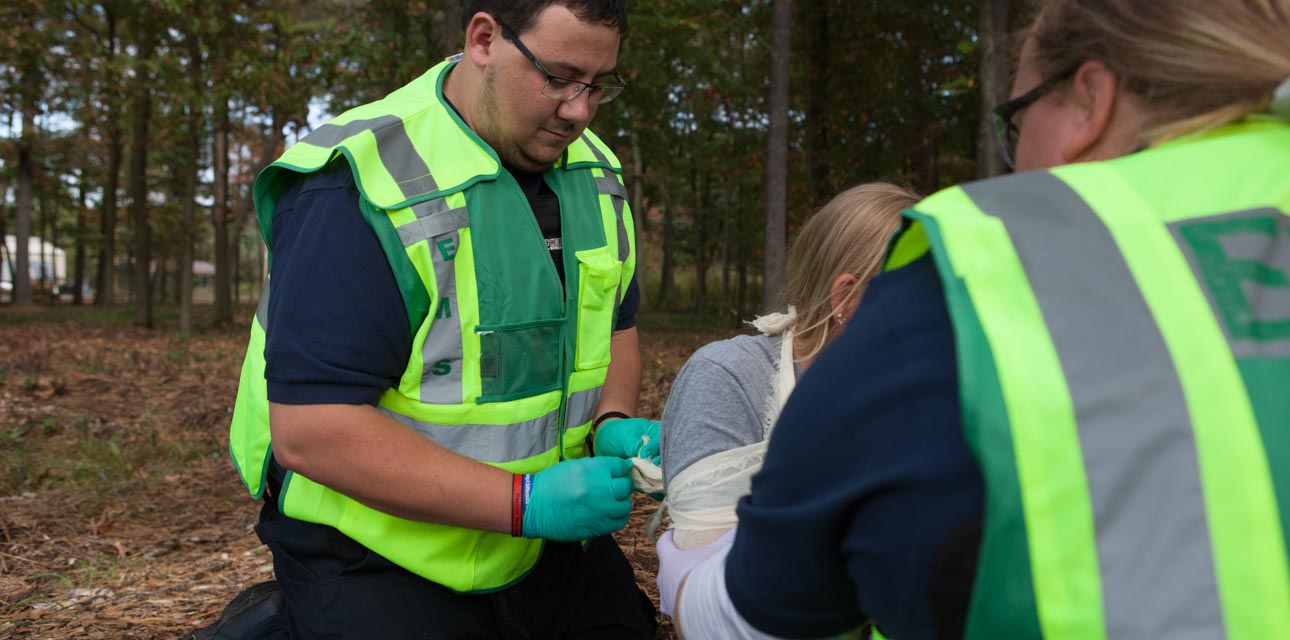
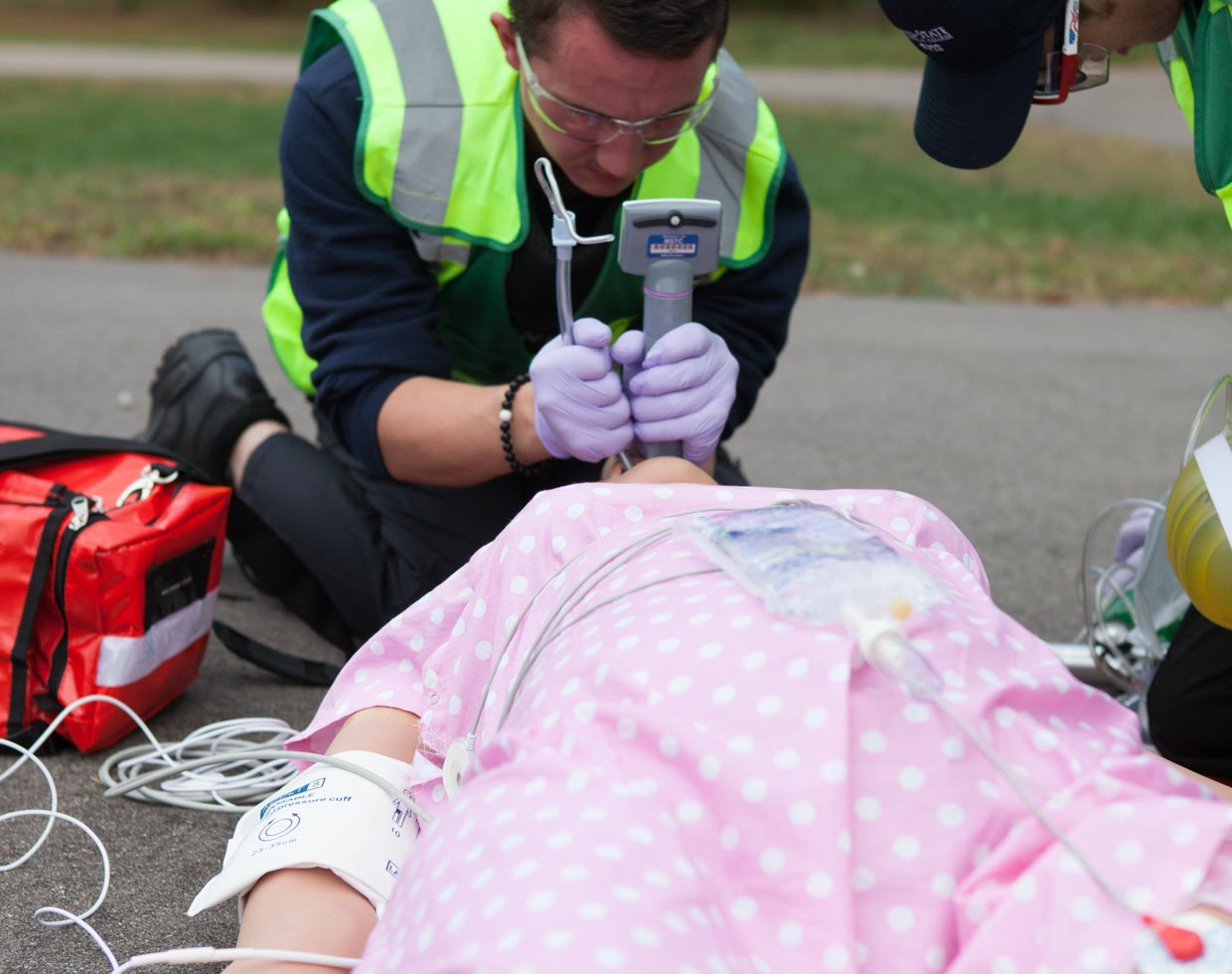
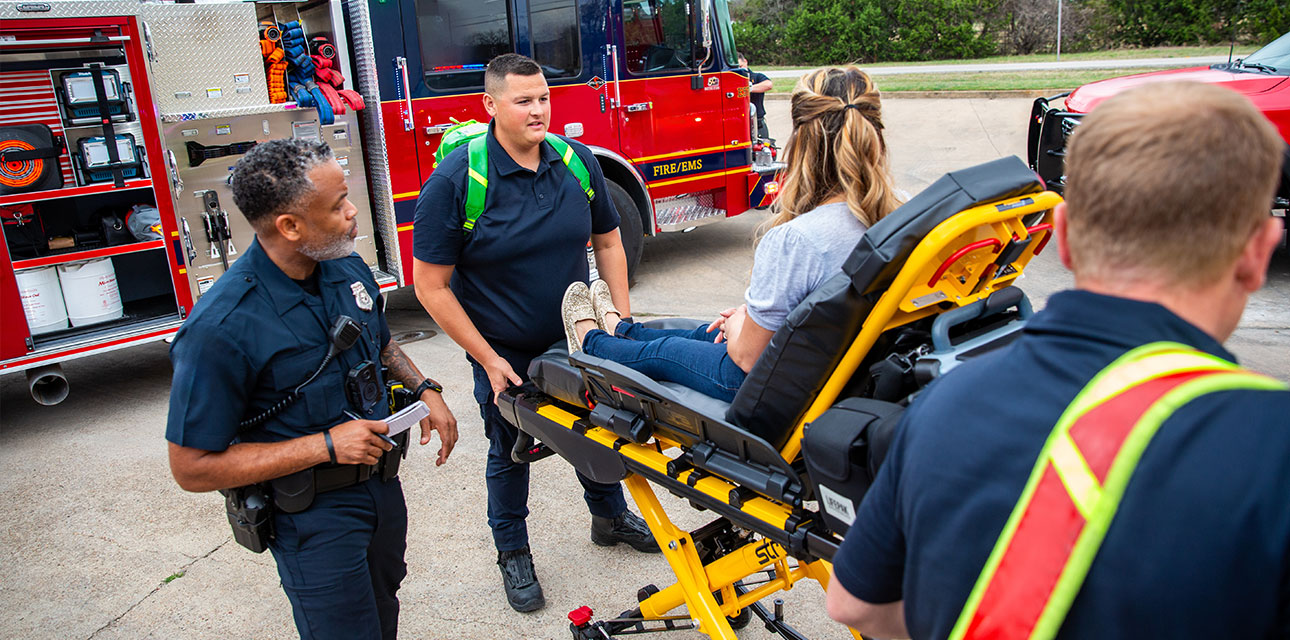
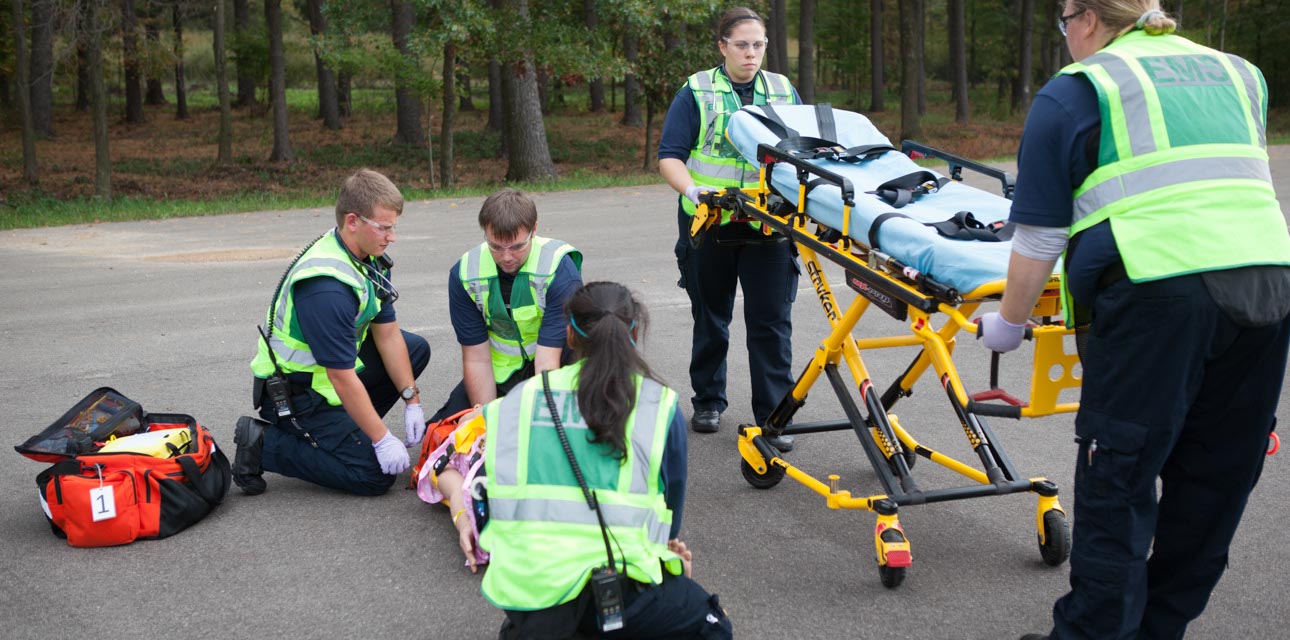
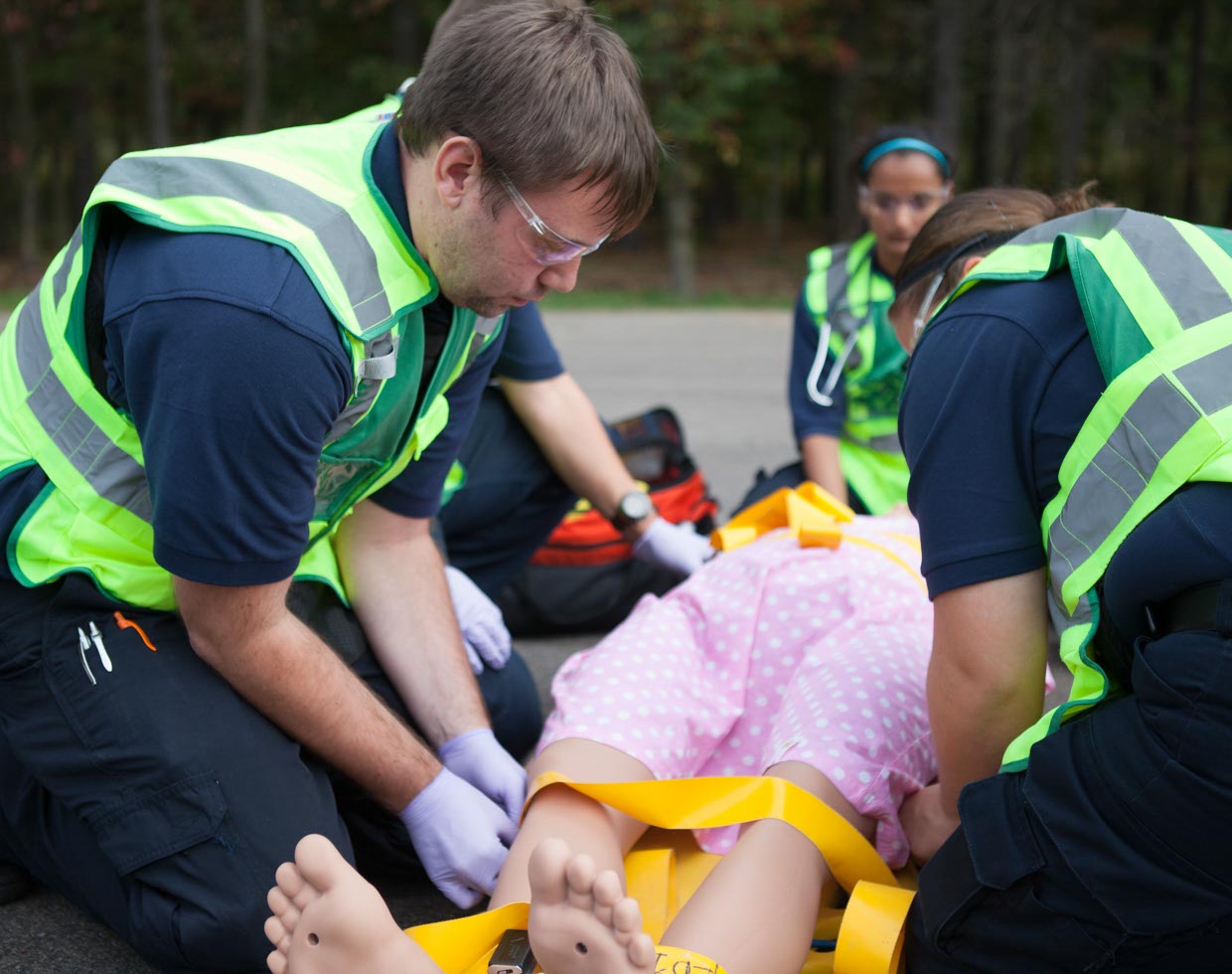
Paramedics are first on the scene when seconds matter most, delivering advanced life-saving care to the critically ill and injured. In this program, you’ll learn to assess patients, manage emergencies, and provide advanced treatment while preparing for the responsibility of making critical decisions in high-pressure situations.

At Mid-State, you’ll complete 1,150 hours of classroom, lab, simulation, and clinical instruction that meets all national and state standards. Students benefit from hands-on simulation experiences in the Healthcare Simulation Center that enhance and support their clinical training. Graduates earn certifications in Advanced Cardiac Life Support and Pediatric Advanced Life Support and are eligible to take the National Registry of Emergency Medical Technicians exam. The program is accredited by the Commission on Accreditation of Allied Health Education Programs (CAAHEP).

Program Facts

Total Credits
39 Credits
Degree Type
Technical Degree
Program Length
One Year
Estimated Program Cost
$7,554.64
Financial Aid Eligibility
Fully Eligible

Program Outcomes

Graduates leave ready to succeed in their careers. Each year, data from Mid-State's Graduate Survey and statewide reports show consistently high satisfaction and strong starting salaries. Here's a snapshot of what success looks like after graduation.

Career Opportunities

Emergency Room Technician
Firefighter/Paramedic
Paramedic
$46,280
Median Annual Salary
Recent program grads in Wisconsin earned a starting salary of $46,280. Source: Lightcast Data Set
291
Average Monthly Hires
291 of recent Wisconsin program grads landed jobs within six months of graduation. Source: Lightcast Data Set
100%
Mid-State Graduate Satisfaction Rate
Students leave proud, prepared, and confident in what comes next. Source: Mid-State Graduate Survey Results

Program Details

Take a closer look at what the program offers and what to expect.

Following is the list of courses within the program. Your course plan may vary, and you'll get a recommended sequence once you're enrolled. See the program information guide below for full course details or talk with your advisor.

Program Information Guide (PDF)

Full-Time Curriculum (39 Total Credits)

Credit for Prior Learning (CPL) options are available for some courses.

Term 1: (20 Credits)

Course Number

Course Name

CPL

Credits

10531911

EMS Fundamental

No

2

10531912

Paramedic Medical Principles

No

4

10531913

Patient Assessment Principles

No

3

10531914

Prehospital Pharmacology

No

3

10531915

Paramedic Respiratory Management

No

2

10531918

Advanced Resuscitation

No

1

10531955

Paramedic Cardiology 1

No

2

10531959

Paramedic Clinical

No

2

10890102

GPS for Student Success

Yes

1

Term 2: (19 Credits)

Course Number

Course Name

CPL

Credits

10531919

Paramedic Medical Emergencies

No

4

10531920

Paramedic Trauma

No

3

10531921

Special Patient Populations

No

3

10531922

EMS Operations

No

1

10531923

Paramedic Capstone

No

1

10531956

Paramedic Cardiology 2

No

2

10531957

Paramedic Field Experience

No

3

10531958

Paramedic Field Leadership

No

1

10531960

Paramedic Clinical/Field Prep

No

1

Meet our full-time instructors.

Nathaniel Disher, BS
Nathaniel earned his BS in human biology with an emphasis in health science from the University of Wisconsin–Green Bay. He also completed the Paramedic Technician program at Mid-State Technical College and is a licensed Paramedic with Critical Care and TEMS endorsements in Wisconsin. He is also a licensed Paramedic from the National Registry of EMTs. Nathaniel was a full-time paramedic for over three years and currently works part-time to stay current with field advancements and keep clinical skills sharp. His experience also includes three years as an adjunct EMS instructor, including completion of the Mid-State EMS instructor internship.

“I love teaching because it gives me the chance to prepare others to make a difference in their communities—when people need them most.”

Ryan Huser, AD, BA, MA
Ryan earned his associate degree from the Paramedic Technician program at Mid-State Technical College, his BA in fire and emergency response management from UW–Oshkosh, and his master’s in disaster and emergency response management from American Public University. He is a national registered paramedic with the National Registry of Emergency Medical Technicians and is a state licensed paramedic with critical care endorsement. Ryan is also a National Registry Examiner for EMT, AEMT, and Paramedic Exams and has worked on many state-level educational projects, such as the Standards and Procedures Manual update, the latest curriculum rewrite, and the development of the new EMT certification testing.

“My eyes have seen more and my hands have done more than most people can imagine, and this experience stays with me in the classroom to train better paramedics than generations past.”

Employers will expect graduates of this program to be able to:

  • Prepare for incident response and EMS operations.
  • Integrate pathophysiological principles and assessment findings to provide appropriate patient care.
  • Demonstrate paramedic skills associated with established standards and procedures for a variety of patient encounters.
  • Communicate effectively with others.
  • Demonstrate professional behavior.
  • Meet state and national competencies listed for paramedic certification(s).

Alongside your career training, you'll develop key workplace strengths. Explore the additional skills you'll build.

Employability Skills (PDF)

To succeed in this program, you'll need to meet certain technical standards. These are the key skills and abilities needed for the program and future career success—with or without reasonable accommodations. Be sure to review them carefully before you apply.

Technical Standards (PDF)

This program prepares you for licensure to work in Wisconsin. If you plan to work in another state, be sure to check that state's licensure requirements—Mid-State's program may not meet them all. If you've applied to the program and have any questions about this information, talk to your advisor.

Licensure Information (PDF)

Explore the resources and next steps below. Your academic advisor will help you know what to complete and when.

Criminal Background Form

Paramedic Program FAQs (PDF)

Career Pathways

Career pathways help you build your education step by step. Each stage offers one or more credentials that are recognized by employers and lead to real jobs—and you can keep building toward your career goals as you go.

Prior Learning

Certificate

Technical Degree

Associate Degree

Bachelor's Degree

Get credit for what you already know. You may be able to earn college credit for prior learning through skills you’ve gained through high school classes, previous college work, self-study, military training, jobs, or volunteer experience.

  1. Credit for Prior Learning
  2. High School Dual Credit
  3. Mid-State Fast-Track – Open to high school students (age requirements apply)

Explore Other Options

Other Programs

Explore more Mid-State programs and find your path to success.

Workforce Training

Not ready for a full degree? Learn job-ready skills with our workforce training options.

Continuing Education

Add a new skill, explore a hobby, or take the next step in your career with our lifelong learning options.

Paramedic Technician

Associate in Applied Science (AAS)

Why Paramedic Technician?

Paramedic technicians are the advanced providers who respond when every second matters. In this associate degree program, you’ll learn to assess and stabilize patients, provide advanced life-saving interventions, and lead in high-pressure emergency situations. Training takes place in the classroom, skills lab, hospital settings, and prehospital environments to prepare you for real-world demands.

At Mid-State, you’ll complete general studies along with core paramedic courses in a joint cohort with Paramedic students. Students benefit from hands-on simulation experiences in the Healthcare Simulation Center that enhance and support their clinical training. Graduates earn certifications in Advanced Cardiac Life Support, Prehospital Trauma Life Support, and Pediatric Advanced Life Support, and are eligible to take the National Registry of Emergency Medical Technicians examinations required for Wisconsin licensure. The program is accredited by the Commission on Accreditation of Allied Health Education Programs (CAAHEP).

Program Facts

Total Credits
62 Credits
Degree Type
Associate in Applied Science (AAS)
Program Length
Two Years
Estimated Program Cost
$12,025.77
Financial Aid Eligibility
Fully Eligible

Program Outcomes

Graduates leave ready to succeed in their careers. Each year, data from Mid-State's Graduate Survey and statewide reports show consistently high satisfaction and strong starting salaries. Here's a snapshot of what success looks like after graduation.

Career Opportunities

Emergency Room Technician
Firefighter/Paramedic
Paramedic
$56,018
Median Annual Salary
Recent program grads in Wisconsin earned a starting salary of $56,018. Source: Lightcast Data Set
95
Average Monthly Hires
95 of recent Wisconsin program grads landed jobs within six months of graduation. Source: Lightcast Data Set
100%
Mid-State Graduate Satisfaction Rate
Students leave proud, prepared, and confident in what comes next. Source: Mid-State Graduate Survey Results

Program Details

Take a closer look at what the program offers and what to expect.

Following is the list of courses within the program. Your course plan may vary, and you'll get a recommended sequence once you're enrolled. See the program information guide below for full course details or talk with your advisor.

Program Information Guide (PDF)

Full-Time Curriculum (62 Total Credits)

Credit for Prior Learning (CPL) options are available for some courses.

Term 1: (14 Credits)

Course Number

Course Name

CPL

Credits

10801136

English Composition 1

Yes

3

10806177

General Anatomy & Physiology

Yes

4

10809122 or 10809172 or

Introduction to American Government or Introduction to

Yes

3

10809196

Diversity Studies or Introduction to Sociology


10809198

Introduction to Psychology

Yes

3

10890102

GPS for Student Success

Yes

1

Term 2: (10 Credits)

Course Number

Course Name

CPL

Credits

10801198 or 10801196 or 10801197

Speech or Oral/Interpersonal Communication or Technical Reporting

Yes or Yes or No

3

10804107 or 10806134

College Mathematics or General Chemistry

Yes

3

10806179

Advanced Anatomy & Physiology

No

4

Term 3: (19 Credits)

Course Number

Course Name

CPL

Credits

10531911

EMS Fundamental

No

2

10531912

Paramedic Medical Principles

No

4

10531913

Patient Assessment Principles

No

3

10531914

Prehospital Pharmacology

No

3

10531915

Paramedic Respiratory Management

No

2

10531918

Advanced Resuscitation

No

1

10531955

Paramedic Cardiology 1

No

2

10531959

Paramedic Clinical

No

2

Term 4: (19 Credits)

Course Number

Course Name

CPL

Credits

10531919

Paramedic Medical Emergencies

No

4

10531920

Paramedic Trauma

No

3

10531921

Special Patient Populations

No

3

10531922

EMS Operations

No

1

10531923

Paramedic Capstone

No

1

10531956

Paramedic Cardiology 2

No

2

10531957

Paramedic Field Experience

No

3

10531958

Paramedic Field Leadership

No

1

10531960

Paramedic Clinical/Field Prep

No

1

Meet our full-time instructors.

Nathaniel Disher, BS
Nathaniel earned his BS in human biology with an emphasis in health science from the University of Wisconsin–Green Bay. He also completed the Paramedic Technician program at Mid-State Technical College and is a licensed Paramedic with Critical Care and TEMS endorsements in Wisconsin. He is also a licensed Paramedic from the National Registry of EMTs. Nathaniel was a full-time paramedic for over three years and currently works part-time to stay current with field advancements and keep clinical skills sharp. His experience also includes three years as an adjunct EMS instructor, including completion of the Mid-State EMS instructor internship.

“I love teaching because it gives me the chance to prepare others to make a difference in their communities—when people need them most.”

Ryan Huser, AD, BA, MA
Ryan earned his associate degree from the Paramedic Technician program at Mid-State Technical College, his BA in fire and emergency response management from UW–Oshkosh, and his master’s in disaster and emergency response management from American Public University. He is a national registered paramedic with the National Registry of Emergency Medical Technicians and is a state licensed paramedic with critical care endorsement. Ryan is also a National Registry Examiner for EMT, AEMT, and Paramedic Exams and has worked on many state-level educational projects, such as the Standards and Procedures Manual update, the latest curriculum rewrite, and the development of the new EMT certification testing.

“My eyes have seen more and my hands have done more than most people can imagine, and this experience stays with me in the classroom to train better paramedics than generations past.”

Employers will expect graduates of this program to be able to:

  • Prepare for incident response and EMS operations.
  • Integrate pathophysiological principles and assessment findings to provide appropriate patient care.
  • Demonstrate paramedic skills associated with established standards and procedures for a variety of patient encounters
  • Communicate effectively with others.
  • Demonstrate professional behavior.
  • Meet state and national competencies listed for paramedic credentialing.

Alongside your career training, you'll develop key workplace strengths. Explore the additional skills you'll build.

Employability Skills (PDF)

To succeed in this program, you'll need to meet certain technical standards. These are the key skills and abilities needed for the program and future career success—with or without reasonable accommodations. Be sure to review them carefully before you apply.

Technical Standards (PDF)

This program prepares you for licensure to work in Wisconsin. If you plan to work in another state, be sure to check that state's licensure requirements—Mid-State's program may not meet them all. If you've applied to the program and have any questions about this information, talk to your advisor.

Licensure Information (PDF)

Explore the resources and next steps below. Your academic advisor will help you know what to complete and when.

Criminal Background Form

Paramedic Technician Program FAQs (PDF)

Career Pathways

Career pathways help you build your education step by step. Each stage offers one or more credentials that are recognized by employers and lead to real jobs—and you can keep building toward your career goals as you go.

Prior Learning

Certificate

Technical Degree

Associate Degree

Bachelor's Degree

Get credit for what you already know. You may be able to earn college credit for prior learning through skills you’ve gained through high school classes, previous college work, self-study, military training, jobs, or volunteer experience.

  1. Credit for Prior Learning
  2. High School Dual Credit
  3. Mid-State Fast-Track – Open to high school students (age requirements apply)

Explore Other Options

Other Programs

Explore more Mid-State programs and find your path to success.

Workforce Training

Not ready for a full degree? Learn job-ready skills with our workforce training options.

Continuing Education

Add a new skill, explore a hobby, or take the next step in your career with our lifelong learning options.

Fire Service Certification

Technical Degree

Why Fire Service Certification?

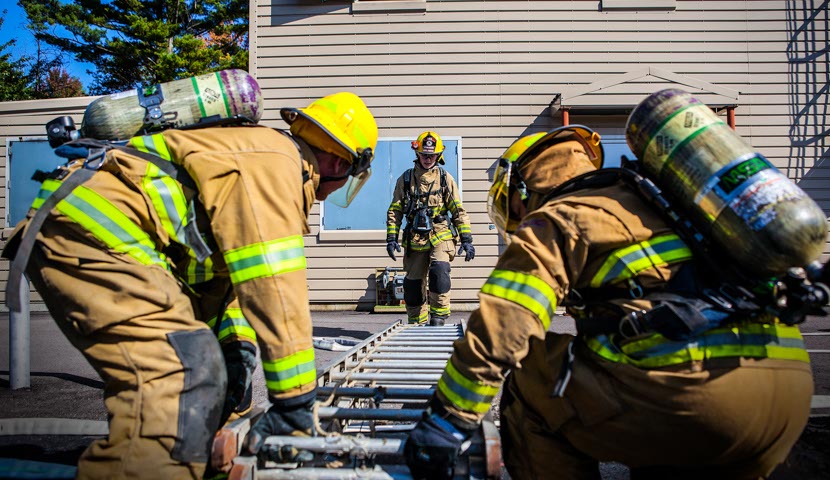
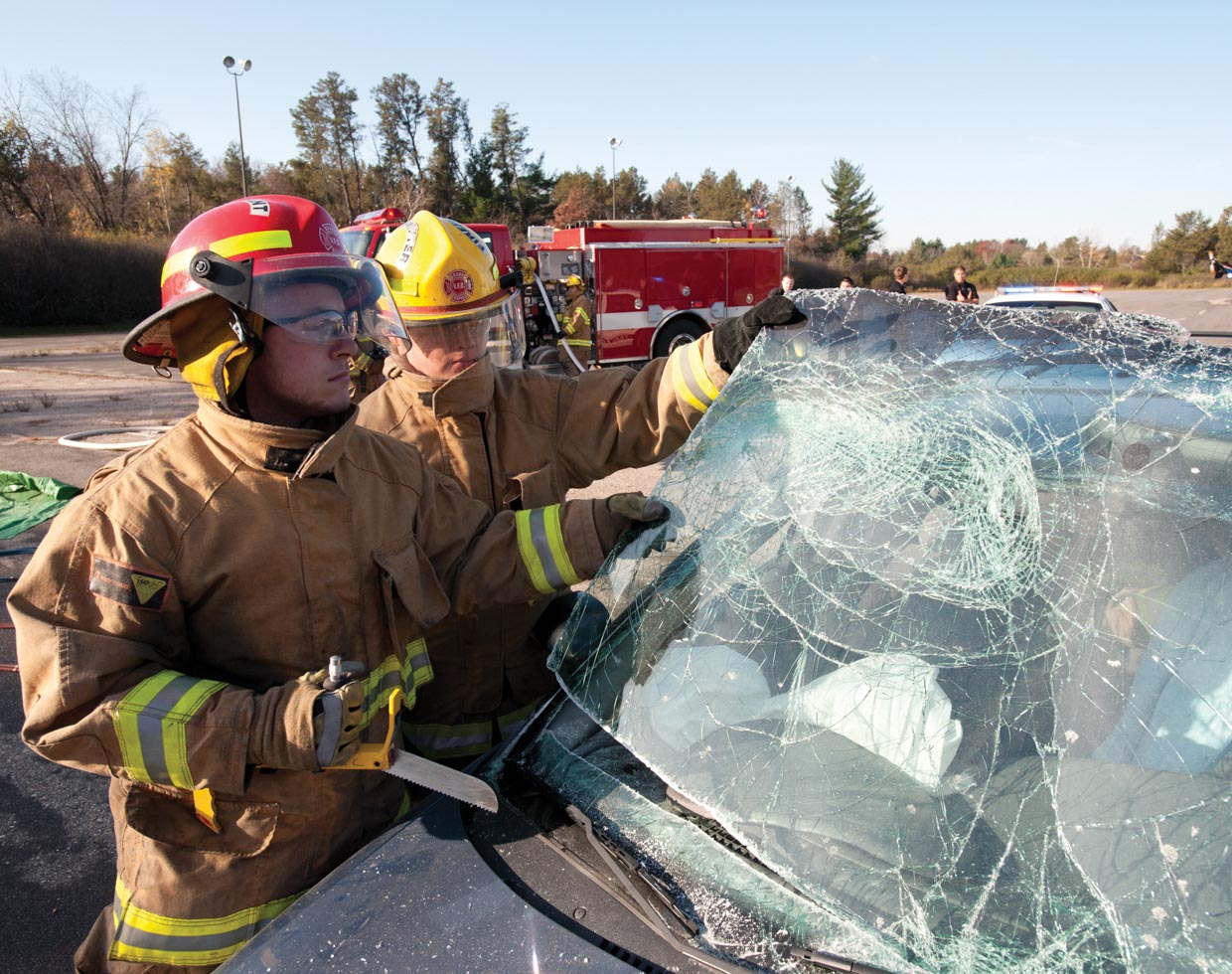
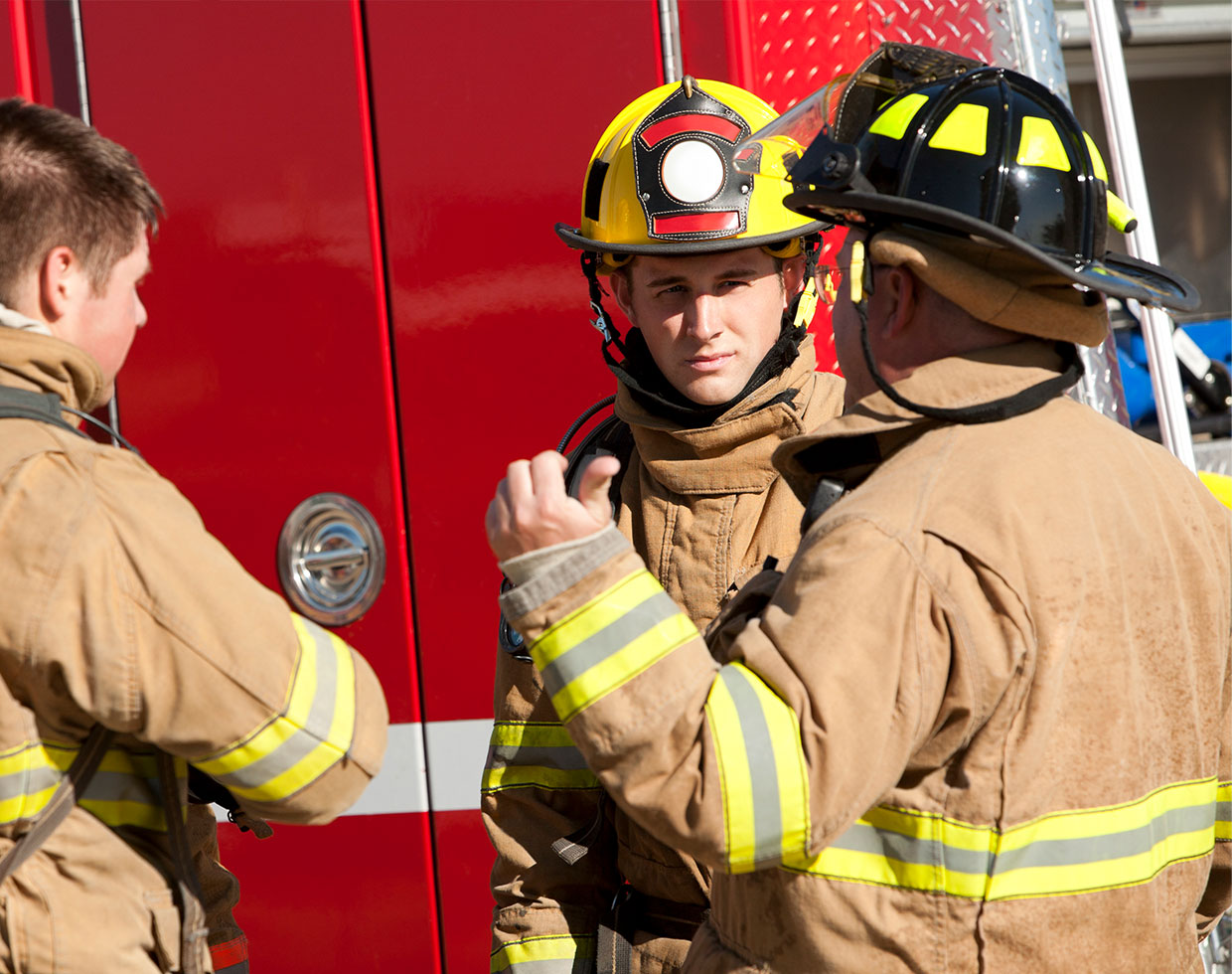
Firefighters are trusted professionals who protect lives, property, and communities with skill and courage. In this program, you will learn the fundamentals of fire behavior, suppression, rescue techniques, and emergency response. You will gain the technical knowledge and practical experience needed to begin your career in this rewarding and high-demand field.

At Mid-State, you’ll receive hands-on training that prepares you to meet state and national certification requirements. The program can even be completed while you’re still in high school—helping you earn credentials faster and starting your career sooner.

Program Facts

Total Credits
8 Credits
Degree Type
Technical Degree
Program Length
Less Than One Year
Estimated Program Cost
$3,205.89
Financial Aid Eligibility
Not Eligible

Program Outcomes

Graduates leave ready to succeed in their careers. Each year, data from Mid-State's Graduate Survey and statewide reports show consistently high satisfaction and strong starting salaries. Here's a snapshot of what success looks like after graduation.

Career Opportunities

Firefighter
Firefighter/EMT
Firefighter/Paramedic
$51,011
Median Annual Salary
Recent program grads in Wisconsin earned a starting salary of $51,011. Source: Lightcast Data Set
252
Average Monthly Hires
252 of recent Wisconsin program grads landed jobs within six months of graduation. Source: Lightcast Data Set

Program Details

Take a closer look at what the program offers and what to expect.

Following is the list of courses within the program. Your course plan may vary, and you'll get a recommended sequence once you're enrolled. See the program information guide below for full course details or talk with your advisor.

Program Information Guide (PDF)

Full-Time Curriculum (8 Total Credits)

Credit for Prior Learning (CPL) options are available for some courses.

Term 1: (4 Credits)

Course Number

Course Name

CPL

Credits

30503101

Basic Firefighting and Hazmat Ops

No

4

Term 2: (4 Credits)

Course Number

Course Name

CPL

Credits

30503102

Advanced Firefighting

No

2

30503103

Firefighter Safety and Survival

No

2

Employers will expect graduates of this program to be able to:

  • Demonstrate professional conduct by displaying personal code of ethics, positive work ethics, flexibility, teamwork skills, physical fitness, safe procedures, and sensitivity to diverse cultures and individuals.
  • Meet professional fire and EMS credentialing standards.
  • Apply critical thinking skills to both emergency and non-emergency situations.

Alongside your career training, you'll develop key workplace strengths. Explore the additional skills you'll build.

Employability Skills (PDF)

To succeed in this program, you'll need to meet certain technical standards. These are the key skills and abilities needed for the program and future career success—with or without reasonable accommodations. Be sure to review them carefully before you apply.

Technical Standards (PDF)

Career Pathways

Career pathways help you build your education step by step. Each stage offers one or more credentials that are recognized by employers and lead to real jobs—and you can keep building toward your career goals as you go.

Prior Learning

Certificate

Technical Degree

Associate Degree

Bachelor's Degree

Get credit for what you already know. You may be able to earn college credit for prior learning through skills you’ve gained through high school classes, previous college work, self-study, military training, jobs, or volunteer experience.

  1. Credit for Prior Learning
  2. High School Dual Credit
  3. Mid-State Fast-Track – Open to high school students (age requirements apply)

Explore Other Options

Other Programs

Explore more Mid-State programs and find your path to success.

Workforce Training

Not ready for a full degree? Learn job-ready skills with our workforce training options.

Continuing Education

Add a new skill, explore a hobby, or take the next step in your career with our lifelong learning options.

Fire Medic

Associate in Applied Science (AAS)

Why Fire Medic?

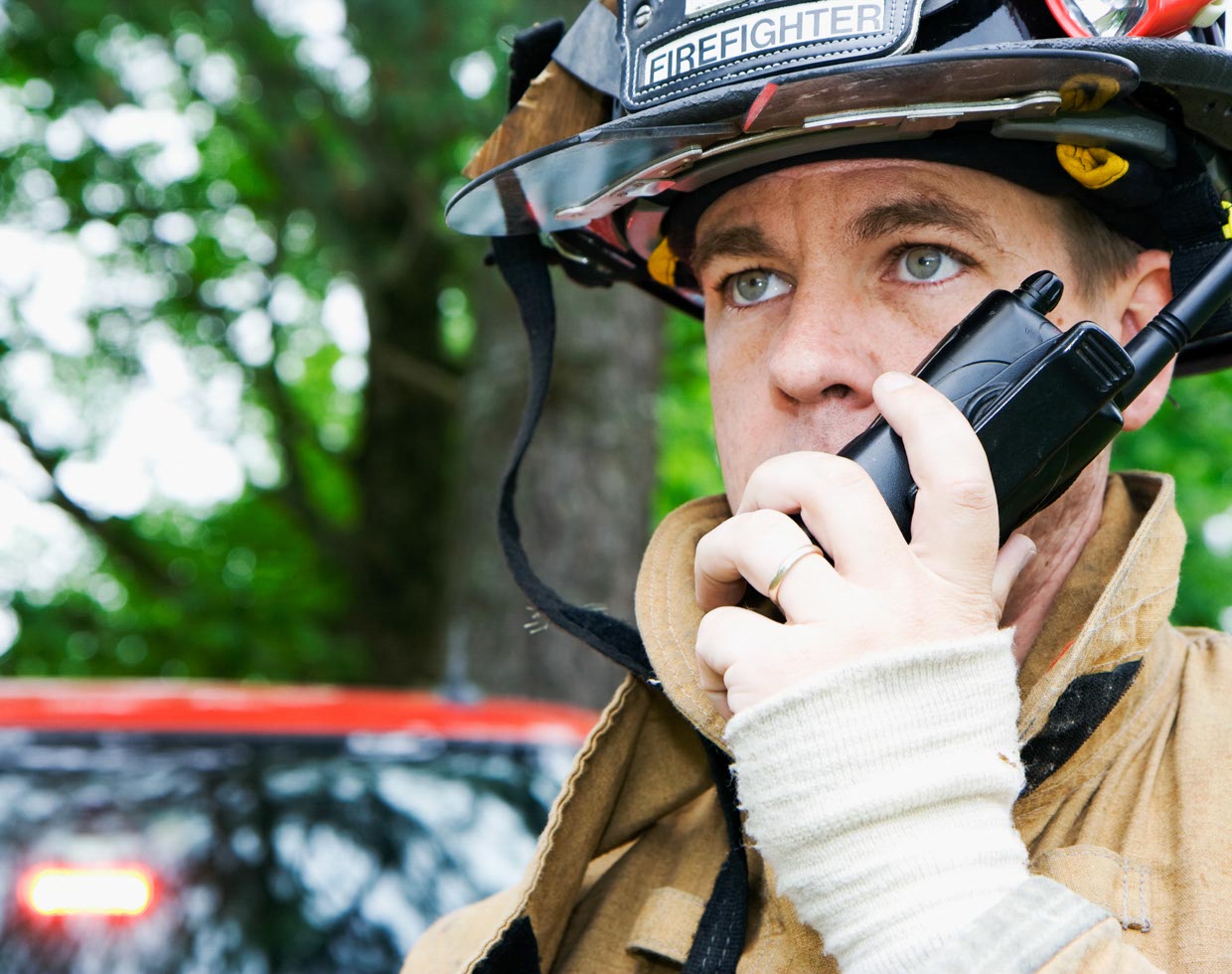
Firefighter/paramedics are often the first to respond when emergencies happen. In this program, you will develop the skills to provide advanced patient care, respond to fires, and protect lives and property. Through hands-on training, you'll learn to think quickly, communicate effectively, and make confident decisions in high-pressure situations.

At Mid-State, you will combine fire service and paramedic training while gaining real-world experience with modern equipment and field-based learning. You'll train alongside experienced instructors and build the technical, medical, and teamwork skills needed for careers in today's emergency services.

Program Facts

Total Credits
65 Credits
Degree Type
Associate in Applied Science (AAS)
Program Length
Two Years
Estimated Program Cost
12803.00
Financial Aid Eligibility
Fully Eligible

Program Outcomes

Graduates leave ready to succeed in their careers. Each year, data from Mid-State's Graduate Survey and statewide reports show consistently high satisfaction and strong starting salaries. Here's a snapshot of what success looks like after graduation.

Career Opportunities

Firefighter
Firefighter/EMT
Firefighter/Paramedic
$51,011
Median Annual Salary
Recent program grads in Wisconsin earned a starting salary of $51,011. Source: Lightcast Data Set
252
Average Monthly Hires
252 of recent Wisconsin program grads landed jobs within six months of graduation. Source: Lightcast Data Set

Program Details

Take a closer look at what the program offers and what to expect.

Following is the list of courses within the program. Your course plan may vary, and you'll get a recommended sequence once you're enrolled.

Full-Time Curriculum (67 Total Credits)

Term 1: (15 Credits)

Course Number

Course Name

Credits

10801136

English Composition I

3

10806177General Anatomy & Physiology

4

30503101Basic Firefighting and Hazmat Ops

4

10809198Introduction to Psychology

3

10890102GPS for Student Success

1

Term 2: (13 Credits)

Course Number

Course Name

Credits

10801198 or 10801196 or 10801197

Speech or Oral/Interpersonal Communication or Technical Reporting

3

10804107College Mathematics

3

10809122 or 10809172 or 10809196

Introduction to American Government or Introduction to Diversity Studies or Introduction to Sociology

3

30503102Advanced Firefighting

2

30503103Firefighter Safety and Survival

2

Term 3: (19 Credits)

Course Number

Course Name

Credits

10531911EMS Fundamental

2

10531912Paramedic Medical Principles

4

10531913Adv. Patient Asses Principles

3

10531914Prehospital Pharmacology

3

10531915Paramedic Respiratory Management

2

10531955Paramedic Cardiology 12
10531918Adv. Emergency Resuscitation1
10531959Paramedic Clinical2
Term 4: (19 Credits)

Course Number

Course Name

Credits

10531956Paramedic Cardiology 2

2

10531919Paramedic Medical Emergencies

4

10531920Paramedic Trauma

3

10531921Special Patient Populations

3

10531922EMS Operations

1

10531923Paramedic Capstone

1

10531957Paramedic Field Experience3
10531958Paramedic Field Leadership1
10531960Paramedic Clinical/Field Prep1

Employers will expect graduates of this program to be able to:

  • Prepare for incident response and EMS operations.
  • Integrate pathophysiological principles and assessment findings to provide appropriate patient care.
  • Demonstrate paramedic skills associated with established standards and procedures for a variety of patient encounters.
  • Communicate effectively with others.
  • Demonstrate professional behavior.
  • Meet state and national competencies listed for paramedic credentialing.
  • Meet professional fire credentialing standards.

Alongside your career training, you'll develop key workplace strengths. Explore the additional skills you'll build.

Employability Skills (PDF)

To succeed in this program, you'll need to meet certain technical standards. These are the key skills and abilities needed for the program and future career success—with or without reasonable accommodations. Be sure to review them carefully before you apply.

Technical Standards (PDF)

This program prepares you for licensure to work in Wisconsin. If you plan to work in another state, be sure to check that state's licensure requirements—Mid-State's program may not meet them all. If you've applied to the program and have any questions about this information, talk to your advisor.

Licensure Information (PDF)

Explore the resources and next steps below. Your academic advisor will help you know what to complete and when.

Criminal Background Form

Career Pathways

Career pathways help you build your education step by step. Each stage offers one or more credentials that are recognized by employers and lead to real jobs—and you can keep building toward your career goals as you go.

Prior Learning

Certificate

Technical Degree

Associate Degree

Bachelor's Degree

Get credit for what you already know. You may be able to earn college credit for prior learning through skills you’ve gained through high school classes, previous college work, self-study, military training, jobs, or volunteer experience.

  1. Credit for Prior Learning
  2. High School Dual Credit
  3. Mid-State Fast-Track – Open to high school students (age requirements apply)

Explore Other Options

Other Programs

Explore more Mid-State programs and find your path to success.

Workforce Training

Not ready for a full degree? Learn job-ready skills with our workforce training options.

Continuing Education

Add a new skill, explore a hobby, or take the next step in your career with our lifelong learning options.

Emergency Services Management

Associate in Applied Science (AAS)

Why Emergency Services Management?

Emergency services managers provide leadership and direction during crises, ensuring safety, coordination, and effective response. In this program, you will learn how to lead emergency teams, manage resources, and maintain public safety while strengthening relationships within the community. You will build the skills needed to make strategic decisions under pressure and guide others through challenging situations.

At Mid-State, this fully online program is designed to meet the needs of working firefighters and EMS professionals. You’ll gain credit for prior learning and work experience while preparing to advance your career or continue toward a bachelor’s degree.

Program Facts

Total Credits
61 Credits
Degree Type
Associate in Applied Science (AAS)
Program Length
Two Years
Estimated Program Cost
$11,512.74
Financial Aid Eligibility
Fully Eligible

Program Outcomes

Graduates leave ready to succeed in their careers. Each year, data from Mid-State's Graduate Survey and statewide reports show consistently high satisfaction and strong starting salaries. Here's a snapshot of what success looks like after graduation.

Career Opportunities

Assistant Chief
Captain/Lieutenant
Chief
EMS Supervisor
$84,210
Median Annual Salary
Recent program grads in Wisconsin earned a starting salary of $84,210. Source: Lightcast Data Set
34
Average Monthly Hires
34 of recent Wisconsin program grads landed jobs within six months of graduation. Source: Lightcast Data Set
100%
Mid-State Graduate Satisfaction Rate
Students leave proud, prepared, and confident in what comes next. Source: Mid-State Graduate Survey Results

Program Details

Take a closer look at what the program offers and what to expect.

Following is the list of courses within the program. Your course plan may vary, and you'll get a recommended sequence once you're enrolled. See the program information guide below for full course details or talk with your advisor.

Program Information Guide (PDF)

Full-Time Curriculum (61 Total Credits)

Credit for Prior Learning (CPL) options are available for some courses.

Term 1: (17 Credits)

Course Number

Course Name

CPL

Credits

10503123

Occupational Safety and Health for Emergency Services

No

3

10503121

Emergency Services Safety and Survival

No

2

10503143 or 10531170

Building Construction for Fire Protection or Intro to Evidence-Based EMS

No

3

10196135

Conflict Resolution

No

3

10546112

Mental Wellness for Emergency Services

No

2

10801136

English Composition 1

Yes

3

10890102

GPS for Student Success

Yes

1

Term 2: (16 Credits)

Course Number

Course Name

CPL

Credits

10503122

Principles of Emergency Services Administration

Yes

4

10546100

Essential Concepts for Health and Wellness

No

3

10503195 or 10531171

Fire Behavior & Combustion or EMS Leadership Challenges

No

3

10804107 or 10806189

College Mathematics or Basic Anatomy

Yes or No

3

10809166

Introduction to Ethics: Theory & Application

Yes

3

Term 3: (15 Credits)

Course Number

Course Name

CPL

Credits

10503124

Emergency Services Instructor

Yes

3

10503125

Personnel Management for Emergency Services

No

3

10503126

Legal Aspects of Emergency Services

No

3

10503127

Community Risk Reduction

No

3

10809198

Introduction to Psychology

Yes

3

Term 4: (13 Credits)

Course Number

Course Name

CPL

Credits

10503128

Public Information and Community Relations Strategies, Tactics, & Incident Management or Complex Mass Casualty Incidents

No

3

10503156 or 10531173

Strategies, Tactics, & Incident Management or Complex Mass Casualty Incidents

No

4

10801198 or 10801196

Speech or Oral/Interpersonal Communication

Yes

3

10809122 or 10809172 or 10809196

Introduction to American Government or Introduction to Diversity Studies or Introduction to Sociology

Yes

3

Employers will expect graduates of this program to be able to:

  • Demonstrate the professional responsibilities of a fire or emergency services manager.
  • Demonstrate critical and creative thinking in the problem-solving process.
  • Apply research and best practices in the fire or emergency services  professions.
  • Demonstrate the professional attributes necessary for a fire or emergency services manager to lead effectively.
  • Apply the legal, ethical, and regulatory standards that relate to the fi re or emergency services.

Alongside your career training, you'll develop key workplace strengths. Explore the additional skills you'll build.

Employability Skills (PDF)

To succeed in this program, you'll need to meet certain technical standards. These are the key skills and abilities needed for the program and future career success—with or without reasonable accommodations. Be sure to review them carefully before you apply.

Technical Standards (PDF)

Career Pathways

Career pathways help you build your education step by step. Each stage offers one or more credentials that are recognized by employers and lead to real jobs—and you can keep building toward your career goals as you go.

Prior Learning

Certificate

Technical Degree

Associate Degree

Bachelor's Degree

Get credit for what you already know. You may be able to earn college credit for prior learning through skills you’ve gained through high school classes, previous college work, self-study, military training, jobs, or volunteer experience.

  1. Credit for Prior Learning
  2. High School Dual Credit
  3. Mid-State Fast-Track – Open to high school students

Explore Other Options

Other Programs

Explore more Mid-State programs and find your path to success.

Workforce Training

Not ready for a full degree? Learn job-ready skills with our workforce training options.

Continuing Education

Add a new skill, explore a hobby, or take the next step in your career with our lifelong learning options.

Emergency Medical Technician

Technical Degree

Why Emergency Medical Technician?

Emergency Medical Technicians are vital members of first-response teams, delivering life-saving care in critical situations. In this program, you will learn to assess patients, manage trauma, and provide emergency medical treatment sanctioned by the Wisconsin Division of Health. You will gain the knowledge, confidence, and composure needed to make quick, sound decisions when every second counts.

At Mid-State, you’ll learn through a mix of classroom instruction, hands-on labs, and pre-hospital clinical experiences. Successfully completing the program qualifies you to take the National Registry of EMTs certification exam required for Wisconsin state licensure.

Program Facts

Total Credits
7 Credits
Degree Type
Technical Degree
Program Length
Less Than One Year
Estimated Program Cost
$1,820.68
Financial Aid Eligibility
Not Eligible

Program Outcomes

Graduates leave ready to succeed in their careers. Each year, data from Mid-State's Graduate Survey and statewide reports show consistently high satisfaction and strong starting salaries. Here's a snapshot of what success looks like after graduation.

Career Opportunities

Dispatcher
Emergency Department Technician
Emergency Medical Technician
First Responder
Industry Safety Department
$43,346
Median Annual Salary
Recent program grads in Wisconsin earned a starting salary of $43,346. Source: Lightcast Data Set
196
Average Monthly Hires
196 of recent Wisconsin program grads landed jobs within six months of graduation. Source: Lightcast Data Set
95%
Mid-State Graduate Satisfaction Rate
Students leave proud, prepared, and confident in what comes next. Source: Mid-State Graduate Survey Results

Program Details

Take a closer look at what the program offers and what to expect.

Following is the list of courses within the program. Your course plan may vary, and you'll get a recommended sequence once you're enrolled. See the program information guide below for full course details or talk with your advisor.

Program Information Guide (PDF)

Full-Time Curriculum (7 Total Credits)

Credit for Prior Learning (CPL) options are available for some courses.

Term 1: (3 Credits)

Course Number

Course Name

CPL

Credits

30531100

EMR/EMT 1

No

3

Term 2: (4 Credits)

Course Number

Course Name

CPL

Credits

30531101

EMR/EMT 2

No

4

Meet our full-time instructors.

Alyssa Larsen, AAS
Alyssa holds paramedic technician and fire protection technician associate degrees from Mid-State Technical College. She is also pursuing a BAS in leadership and organizational studies from UW–Oshkosh. She is a registered paramedic with the National Registry of Emergency Medical Technicians and a Wisconsin state licensed paramedic with critical care endorsement. Prior to teaching for Mid-State, Alyssa worked as a part-time EMT and full-time paramedic. She continues to work part-time as a paramedic.

“Being an EMS instructor is very gratifying. It means so much to share my passion and to watch students acquire new skills and knowledge as they become professionals who will go out and help within our communities. It is one career that keeps giving back.”

Employers will expect graduates of this program to be able to:

  • Prepare for incident response and EMS operations. 
  • Integrate pathophysiological principles and assessment findings to provide appropriate patient care.
  • Demonstrate EMT skills associated with established standards and procedures for a variety of patient encounters.
  • Communicate effectively with others.
  • Demonstrate professional behavior.
  • Meet state competencies for EMT certification.

Alongside your career training, you'll develop key workplace strengths. Explore the additional skills you'll build.

Employability Skills (PDF)

To succeed in this program, you'll need to meet certain technical standards. These are the key skills and abilities needed for the program and future career success—with or without reasonable accommodations. Be sure to review them carefully before you apply.

Technical Standards (PDF)

This program prepares you for licensure to work in Wisconsin. If you plan to work in another state, be sure to check that state's licensure requirements—Mid-State's program may not meet them all. If you've applied to the program and have any questions about this information, talk to your advisor.

Licensure Information (PDF)

Career Pathways

Career pathways help you build your education step by step. Each stage offers one or more credentials that are recognized by employers and lead to real jobs—and you can keep building toward your career goals as you go.

Prior Learning

Certificate

Technical Degree

Associate Degree

Bachelor's Degree

Get credit for what you already know. You may be able to earn college credit for prior learning through skills you’ve gained through high school classes, previous college work, self-study, military training, jobs, or volunteer experience.

  1. Credit for Prior Learning
  2. High School Dual Credit
  3. Mid-State Fast-Track – Open to high school students

Explore Other Options

Other Programs

Explore more Mid-State programs and find your path to success.

Workforce Training

Not ready for a full degree? Learn job-ready skills with our workforce training options.

Continuing Education

Add a new skill, explore a hobby, or take the next step in your career with our lifelong learning options.

Criminal Justice-Studies

Associate in Applied Science (AAS)

Why Criminal Justice-Studies?

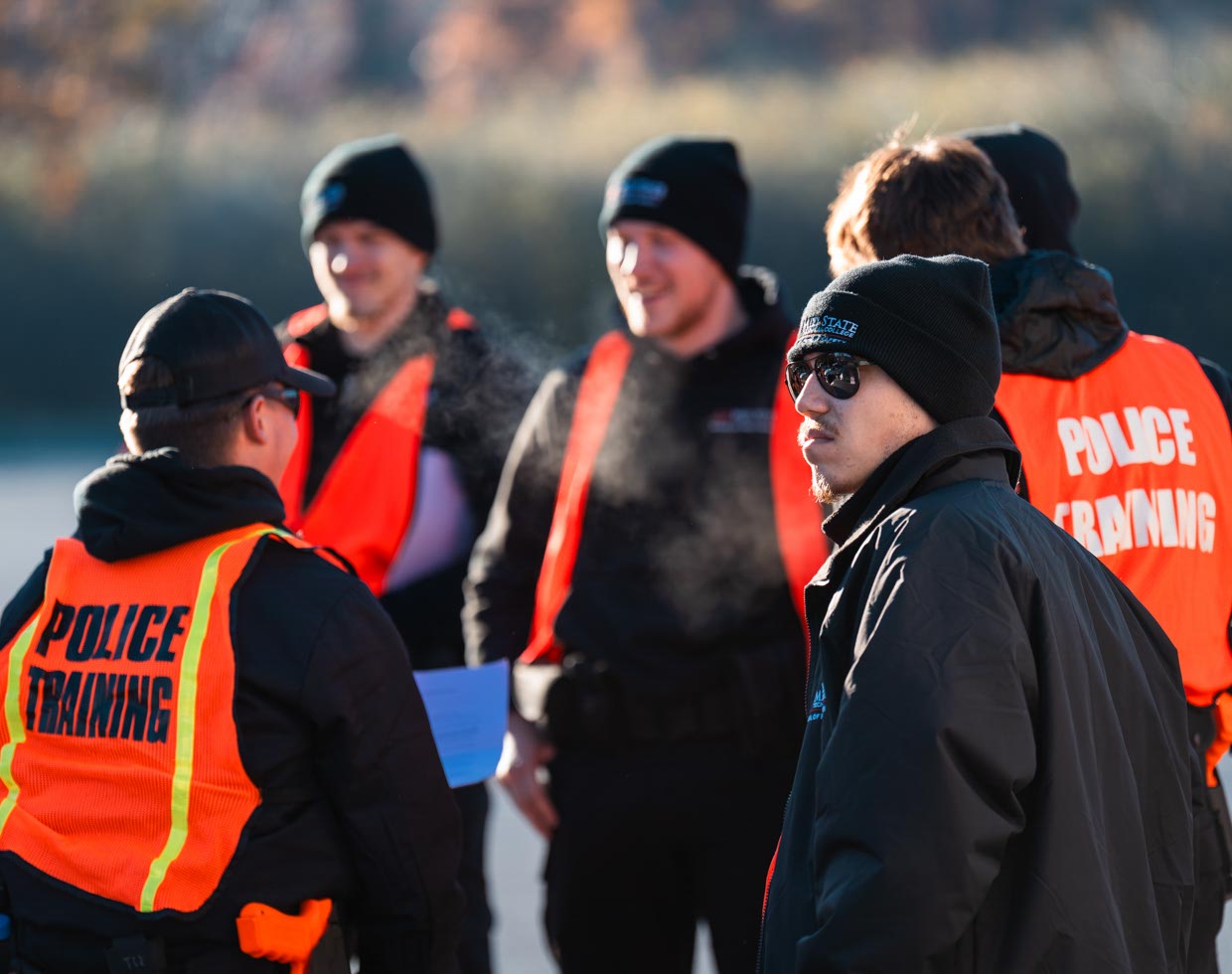
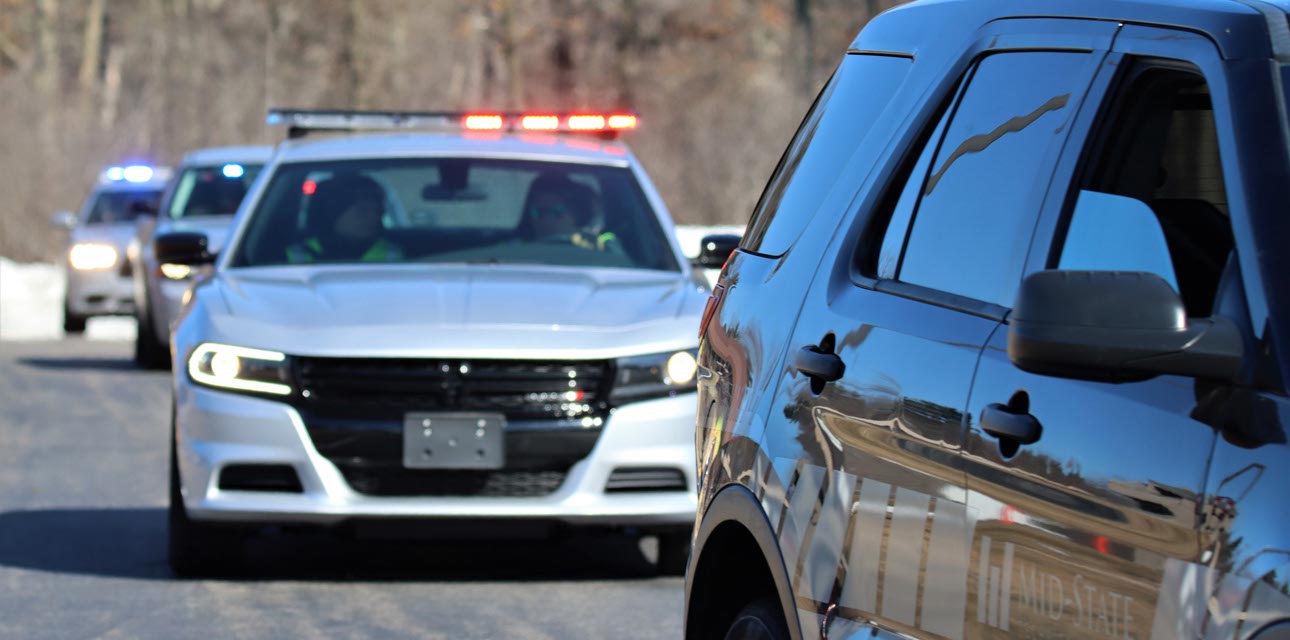
A career in criminal justice offers purpose, variety, and the chance to make a difference every day. In this program, you will learn to apply the principles of law enforcement, corrections, and community advocacy to help maintain peace and protect lives. You will gain critical thinking, problem-solving, and communication skills needed to meet the complex challenges of today’s justice system.

At Mid-State, you’ll learn from experienced professionals through classroom instruction, simulations, and hands-on activities. Students have the opportunity to apply for the Criminal Justice–Law Enforcement 720 Academy and complete it during their fourth semester, earning certification while satisfying degree requirements.

Program Facts

Total Credits
61 Credits
Degree Type
Associate in Applied Science (AAS)
Program Length
Two Years
Estimated Program Cost
$11,231.12
Financial Aid Eligibility
Fully Eligible

Program Outcomes

Graduates leave ready to succeed in their careers. Each year, data from Mid-State's Graduate Survey and statewide reports show consistently high satisfaction and strong starting salaries. Here's a snapshot of what success looks like after graduation.

Career Opportunities

Deputy Sheriff
Police Officer
Private Security
State Trooper
$55,013
Median Annual Salary
Recent program grads in Wisconsin earned a starting salary of $55,013. Source: Lightcast Data Set
1,386
Average Monthly Hires
1,386 of recent Wisconsin program grads landed jobs within six months of graduation. Source: Lightcast Data Set
100%
Mid-State Graduate Satisfaction Rate
Students leave proud, prepared, and confident in what comes next. Source: Mid-State Graduate Survey Results

Program Details

Take a closer look at what the program offers and what to expect.

Following is the list of courses within the program. Your course plan may vary, and you'll get a recommended sequence once you're enrolled. See the program information guide below for full course details or talk with your advisor.

Program Information Guide (PDF)

Full-Time Curriculum (61 Total Credits)

Credit for Prior Learning (CPL) options are available for some courses.

Term 1: (16 Credits)

Course Number

Course Name

CPL

Credits

10504114

Introduction to Law Enforcement

Yes

3

10504125

Patrol Procedures

No

3

10504164

Criminal Law for LE

No

3

10801136

English Composition 1

Yes

3

10804107 or 10804189

College Mathematics or Introductory Statistics

Yes

3

10890102

GPS for Student Success

Yes

1

Term 2: (15 Credits)

Course Number

Course Name

CPL

Credits

10504140

Report Writing for Protective Services

Yes

3

10504144

Wellness in Public Safety

No

3

10504163

Constitutional Law for LE

No

3

10801198 or 10801196

Speech or Oral/Interpersonal Communication

Yes

3

10809198 or 10809188

Introduction to Psychology or Developmental Psychology

Yes

3

Term 3: (15 Credits)

Course Number

Course Name

CPL

Credits

10504103

Fitness for Law Enforcement

Yes

1

10504112

Court Procedures

No

3

10504123

Criminal Investigation

No

3

10504195 or 10504196

Criminal Justice Internship or Criminal Justice Applications

No or Yes

2

10809122 or 10809196

Introduction to American Government or Introduction to Sociology

Yes

3

10809172

Introduction to Diversity Studies

Yes

3

Term 4: (15 Credits)

Course Number

Course Name

CPL

Credits

10504115 or 10504185

Contemporary Issues in Law Enforcement or Basic Jail Academy 2

No or Yes

3

10504129

Community Policing

No

3

10504134

Intro to LE Organizations and Leadership

No

3

10504143

Criminology

No

3

10504166 or 10504184

Criminal Justice Ethics or Basic Jail Academy 1

No or Yes

3

Meet our full-time instructors.

Paul Bushmaker, BS
Paul earned his bachelor of science degree in political science from the University of Wisconsin–Stevens Point. He is a graduate of Command College #3 in conjunction with UW–Madison and is a Certified Public Manager. He has over 23 years of law enforcement experience, with 16 years as a patrol sergeant. He holds a number of specialty certifications, is a DOJ-certified instructor, and has been training and teaching law enforcement officers for over 18 years.

“I am honored to be a part of the Mid-State criminal justice studies team. The chance to help educate, mentor, and train the future law enforcement officers of this state is a once-in-a-lifetime opportunity.”

Michael Topness, BAS
Mike earned his bachelor of applied science in leadership and organizational studies from University of Wisconsin-Oshkosh and his associate degree in criminal justice from Western Technical College in La Crosse, Wisconsin. His background includes over 13 years of work as a patrol officer in central Wisconsin. He’s also had the opportunity to serve in a variety of roles including field training officer, assistant entry team leader on an area special response team, and shift lead officer. Mike holds numerous specialty certifications with an emphasis on controlled substance enforcement and law enforcement tactics as well as being a certified firearms and tactical response instructor.

“I am eager for the opportunity to mentor the future of law enforcement and help continue the excellence in policing that central Wisconsin has grown accustomed to.”

Employers will expect graduates of this program to be able to:

  • Examine the components of and interrelationships in the criminal justice system.
  • Analyze situational responses.
  • Apply communication skills as a criminal justice professional.
  • Conduct investigations.
  • Adhere to the professional code of ethics for a criminal justice practitioner.
  • Maintain personal wellness.

Alongside your career training, you'll develop key workplace strengths. Explore the additional skills you'll build.

Employability Skills (PDF)

To succeed in this program, you'll need to meet certain technical standards. These are the key skills and abilities needed for the program and future career success—with or without reasonable accommodations. Be sure to review them carefully before you apply.

Technical Standards (PDF)

Explore the resources and next steps below. Your academic advisor will help you know what to complete and when.

Criminal Background Form

Career Pathways

Career pathways help you build your education step by step. Each stage offers one or more credentials that are recognized by employers and lead to real jobs—and you can keep building toward your career goals as you go.

Prior Learning

Certificate

Technical Degree

Associate Degree

Bachelor's Degree

Get credit for what you already know. You may be able to earn college credit for prior learning through skills you’ve gained through high school classes, previous college work, self-study, military training, jobs, or volunteer experience.

  1. Credit for Prior Learning
  2. High School Dual Credit
  3. Mid-State Fast-Track – Open to high school students

Explore Other Options

Other Programs

Explore more Mid-State programs and find your path to success.

Workforce Training

Not ready for a full degree? Learn job-ready skills with our workforce training options.

Continuing Education

Add a new skill, explore a hobby, or take the next step in your career with our lifelong learning options.

Criminal Justice-Law Enforcement 720 Academy

Technical Degree

Why Criminal Justice-Law Enforcement 720 Academy?

Law enforcement professionals protect and serve their communities with courage, integrity, and commitment. In this program, you will gain the practical skills and specialized training required to meet Wisconsin’s certification standards for law enforcement officers. You will learn to respond effectively to emergencies, enforce laws, and engage with citizens to maintain peace and safety in a changing society.

At Mid-State, you will train through realistic scenarios and physical fitness components that build readiness for the demands of the field. This academy is designed for students with a minimum of 40 college credits who seek certification to begin or advance a law enforcement career. 

Program Facts

Total Credits
22 Credits
Degree Type
Technical Degree
Program Length
Less Than One Year
Estimated Program Cost
$6,665.25
Financial Aid Eligibility
Partially Eligible

Program Outcomes

Graduates leave ready to succeed in their careers. Each year, data from Mid-State's Graduate Survey and statewide reports show consistently high satisfaction and strong starting salaries. Here's a snapshot of what success looks like after graduation.

Career Opportunities

Deputy Sheriff
Police Officer
Private Security
State Trooper
$55,013
Median Annual Salary
Recent program grads in Wisconsin earned a starting salary of $55,013. Source: Lightcast Data Set
1,386
Average Monthly Hires
1,386 of recent Wisconsin program grads landed jobs within six months of graduation. Source: Lightcast Data Set
100%
Mid-State Graduate Satisfaction Rate
Students leave proud, prepared, and confident in what comes next. Source: Mid-State Graduate Survey Results

Program Details

Take a closer look at what the program offers and what to expect.

Following is the list of courses within the program. Your course plan may vary, and you'll get a recommended sequence once you're enrolled. See the program information guide below for full course details or talk with your advisor.

Program Information Guide (PDF)

Full-Time Curriculum (22 Total Credits)

Credit for Prior Learning (CPL) options are available for some courses.

Term 1: (22 Credits)

Course Number

Course Name

CPL

Credits

30504500

Overview of Patrol Response

No

2

30504501

Physical Fitness

No

1

30504502

Application of Investigations

No

1

30504503

Overview of Criminal Justice

No

1

30504504

Principles of Emergency Vehicle Response

No

2

30504505

Sensitive Crimes

No

2

30504506

Overview of Investigations

No

2

30504507

Application of Traffic Response

No

3

30504508

Principles of Investigations

No

1

30504509

Principles of Tactics

No

5

30504510

Overview of Tactics

No

1

30504511

Scenario Assessment

No

1

Employers will expect graduates of this program to be able to:

  • Think critically.
  • Manage emergencies.
  • Communicate effectively.
  • Demonstrate professionalism.
  • Conduct investigations.
  • Interact with others.
  • Demonstrate technical skills.

Alongside your career training, you'll develop key workplace strengths. Explore the additional skills you'll build.

Employability Skills (PDF)

To succeed in this program, you'll need to meet certain technical standards. These are the key skills and abilities needed for the program and future career success—with or without reasonable accommodations. Be sure to review them carefully before you apply.

Technical Standards (PDF)

This program prepares you for licensure to work in Wisconsin. If you plan to work in another state, be sure to check that state's licensure requirements—Mid-State's program may not meet them all. If you've applied to the program and have any questions about this information, talk to your advisor.

Licensure Information (PDF)

Explore the resources and next steps below. Your academic advisor will help you know what to complete and when.

Who Can Apply and How
There is a separate process for admission to the Criminal Justice-Law Enforcement 720 Academy. For more information on how to apply, please contact Kurt Heuer (715-422-5606)

Minimum Standards
As set forth in Wisconsin State Statute and Chapter LES 2, of Wisconsin Administrative Code.
Criminal Justice-Law Enforcement 720 Academy Minimum Standards (PDF)

US Citizenship
US Citizenship is required to sit for this licensure exam.

Career Pathways

Career pathways help you build your education step by step. Each stage offers one or more credentials that are recognized by employers and lead to real jobs—and you can keep building toward your career goals as you go.

Prior Learning

Certificate

Technical Degree

Associate Degree

Bachelor's Degree

Get credit for what you already know. You may be able to earn college credit for prior learning through skills you’ve gained through high school classes, previous college work, self-study, military training, jobs, or volunteer experience.

  1. Credit for Prior Learning
  2. High School Dual Credit
  3. Mid-State Fast-Track – Open to high school students (age requirements apply)

Explore Other Options

Other Programs

Explore more Mid-State programs and find your path to success.

Workforce Training

Not ready for a full degree? Learn job-ready skills with our workforce training options.

Continuing Education

Add a new skill, explore a hobby, or take the next step in your career with our lifelong learning options.
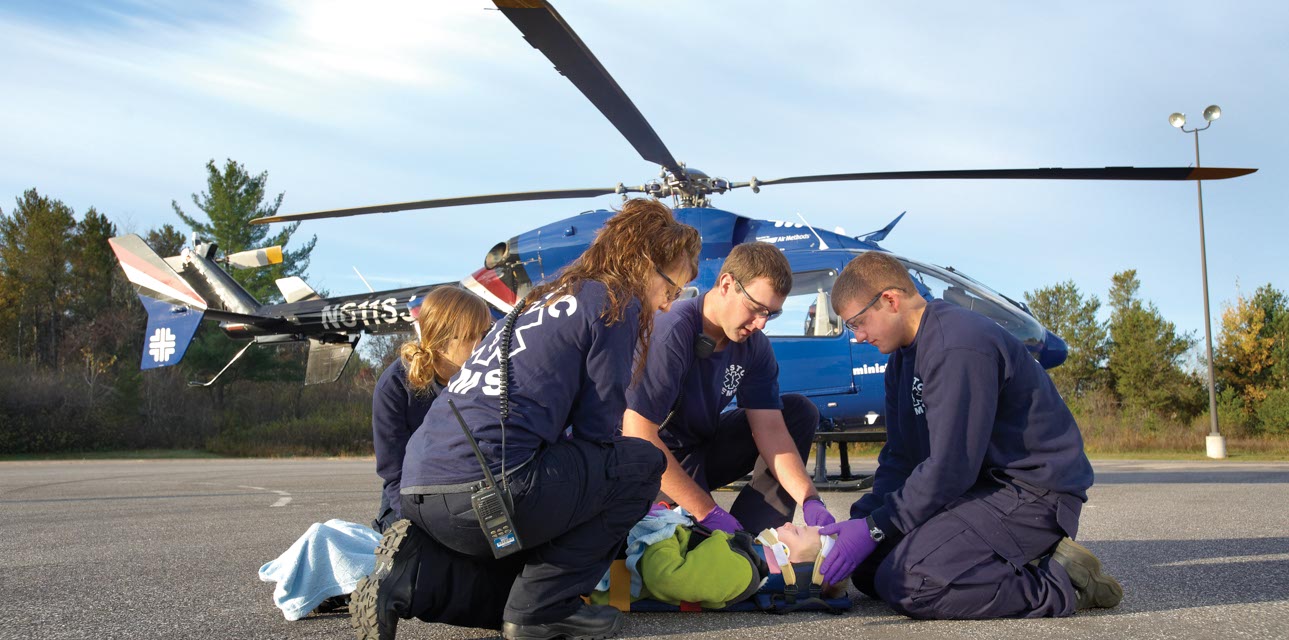
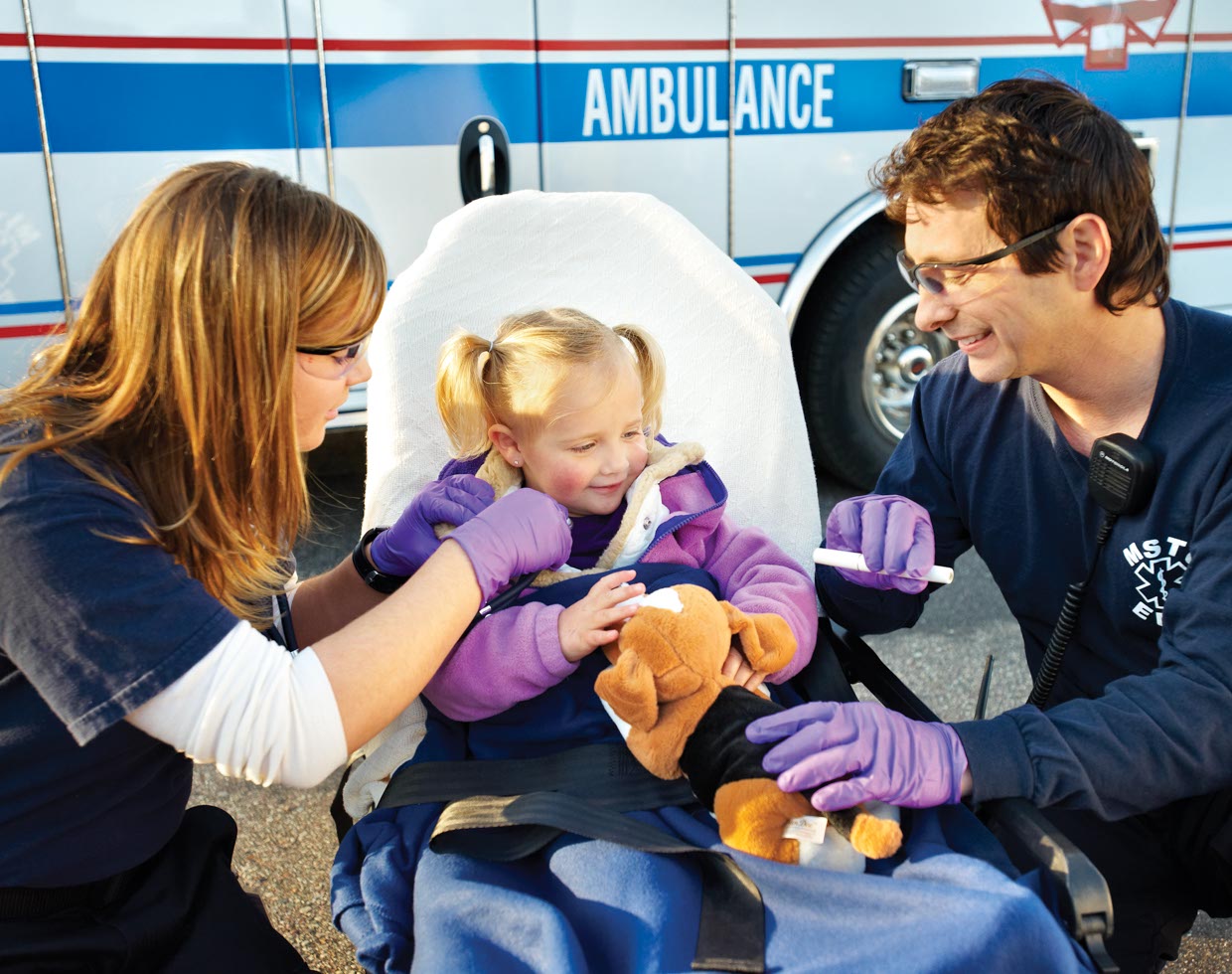
Criminal Justice-Corrections & Community Advocacy

Associate in Applied Science (AAS)

Why Criminal Justice-Corrections & Community Advocacy?

Professionals in corrections and community advocacy play a vital role in creating safer communities and helping individuals build better futures. In this program, you will learn the principles of criminal justice, human behavior, and rehabilitation to prepare for careers in correctional facilities or community programs. You will gain the specialized training needed to guide, counsel, and support individuals within the justice system.

At Mid-State, you’ll experience a combination of classroom instruction, simulations, and real-world observation that prepare you to make a meaningful difference. You’ll graduate ready for employment or to continue your education through one of Mid-State’s university transfer agreements.

Program Facts

Total Credits
62 Credits
Degree Type
Associate in Applied Science (AAS)
Program Length
Two Years
Estimated Program Cost
$11,380.55
Financial Aid Eligibility
Fully Eligible

Program Outcomes

Graduates leave ready to succeed in their careers. Each year, data from Mid-State's Graduate Survey and statewide reports show consistently high satisfaction and strong starting salaries. Here's a snapshot of what success looks like after graduation.

Career Opportunities

9-1-1 Telecommunicator
Correctional Officer
Juvenile Detention Officer
Probation & Parole Agent
Victim/Witness Coordinator
$71,006
Median Annual Salary
Recent program grads in Wisconsin earned a starting salary of $71,006. Source: Lightcast Data Set
293
Average Monthly Hires
293 of recent Wisconsin program grads landed jobs within six months of graduation. Source: Lightcast Data Set
100%
Mid-State Graduate Satisfaction Rate
Students leave proud, prepared, and confident in what comes next. Source: Mid-State Graduate Survey Results

Program Details

Take a closer look at what the program offers and what to expect.

Following is the list of courses within the program. Your course plan may vary, and you'll get a recommended sequence once you're enrolled. See the program information guide below for full course details or talk with your advisor.

Program Information Guide (PDF)

Full-Time Curriculum (62 Total Credits)

Credit for Prior Learning (CPL) options are available for some courses.

Term 1: (16 Credits)

Course Number

Course Name

CPL

Credits

10504104

Intro to the Criminal Justice System

No

3

10504107

Wellness for Rehabilitative Professionals

No

3

10504109

Basic Professional Communication

No

3

10801136

English Composition 1

Yes

3

10801198 or 10801196

Speech or Oral/Interpersonal Communication

Yes

3

10890102

GPS for Student Success

Yes

1

Term 2: (15 Credits)

Course Number

Course Name

CPL

Credits

10504105

Mental Health

No

3

10504106

Contemporary Social Issues

No

3

10504116

Probation & Parole

Yes

3

10504179

Management of Adult Population

No

3

10804107 or 10804189 or 10806189

College Mathematics or Introductory Statistics or Basic Anatomy

Yes or Yes or No

3

Term 3: (16 Credits)

Course Number

Course Name

CPL

Credits

10504128

Telecommunications

No

2

10504178

Secure Detention

Yes

2

10504184 or 10504165

Basic Jail Academy 1 or Basic Incarceration Principles

Yes or No

3

10504185 or 10504167

Basic Jail Academy 2 or Trauma & Resiliency

Yes or No

3

10809166

Introduction to Ethics: Theory & Application

Yes

3

10809198 or 10809188

Introduction to Psychology or Developmental Psychology

Yes

3

Term 4: (15 Credits)

Course Number

Course Name

CPL

Credits

10504132 or 10504131

Advanced Relational Skills or Rehabilitative Professionals Internship

p No

3

10504156

Child Advocacy

No

3

10504159

Interpersonal Violence/Victimology

No

3

10504175

Substance Abuse Disorders

No

3

10809172 or 10809196

Introduction to Diversity Studies or Introduction to Sociology

Yes

3

Meet our full-time instructors.

Candace Schmidt, AAS
Candace earned an AAS in corrections from Mid-State and is currently working to obtain her bachelor’s degree. Since earning her AAS, she has worked as a correctional officer for six years, with three of those years as a field training officer for new staff.

“In my journey I've discovered a determined passion for the realm of corrections and community advocacy. Through my experiences and knowledge, I am eager to share not just insight, but a sincere dedication to fostering positive change.”

Employers will expect graduates of this program to be able to:

  • Explain the components of and interrelationships in the criminal justice system.
  • Apply appropriate communication skills to public safety incidents.
  • Establish situational safety.
  • Engage effectively with vulnerable and disenfranchised individuals/populations.
  • Model a healthy lifestyle.
  • Adhere to accepted culturally competent, ethical, and behavioral conduct.

Alongside your career training, you'll develop key workplace strengths. Explore the additional skills you'll build.

Employability Skills (PDF)

To succeed in this program, you'll need to meet certain technical standards. These are the key skills and abilities needed for the program and future career success—with or without reasonable accommodations. Be sure to review them carefully before you apply.

Technical Standards (PDF)

Explore the resources and next steps below. Your academic advisor will help you know what to complete and when.

Criminal Background Form

Career Pathways

Career pathways help you build your education step by step. Each stage offers one or more credentials that are recognized by employers and lead to real jobs—and you can keep building toward your career goals as you go.

Prior Learning

Certificate

Technical Degree

Associate Degree

Bachelor's Degree

Get credit for what you already know. You may be able to earn college credit for prior learning through skills you’ve gained through high school classes, previous college work, self-study, military training, jobs, or volunteer experience.

  1. Credit for Prior Learning
  2. High School Dual Credit
  3. Mid-State Fast-Track – Open to high school students (age requirements apply)

Explore Other Options

Other Programs

Explore more Mid-State programs and find your path to success.

Workforce Training

Not ready for a full degree? Learn job-ready skills with our workforce training options.

Continuing Education

Add a new skill, explore a hobby, or take the next step in your career with our lifelong learning options.