Jail Officer Academy

Technical Degree

Why Jail Officer Academy?

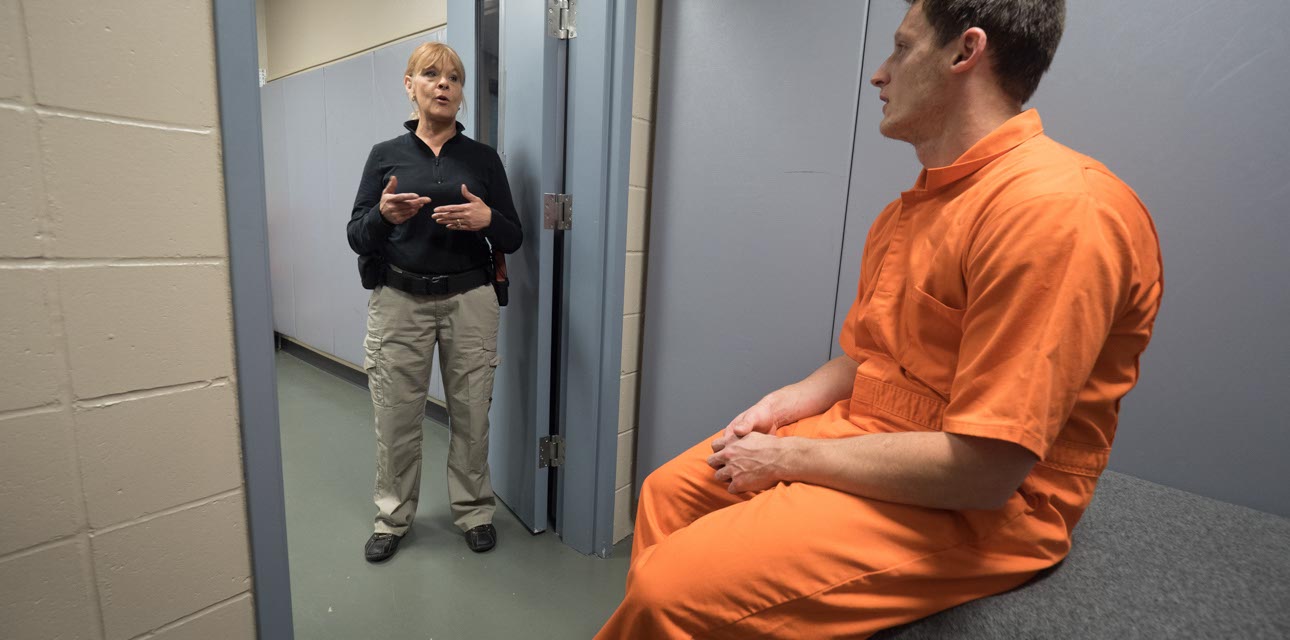
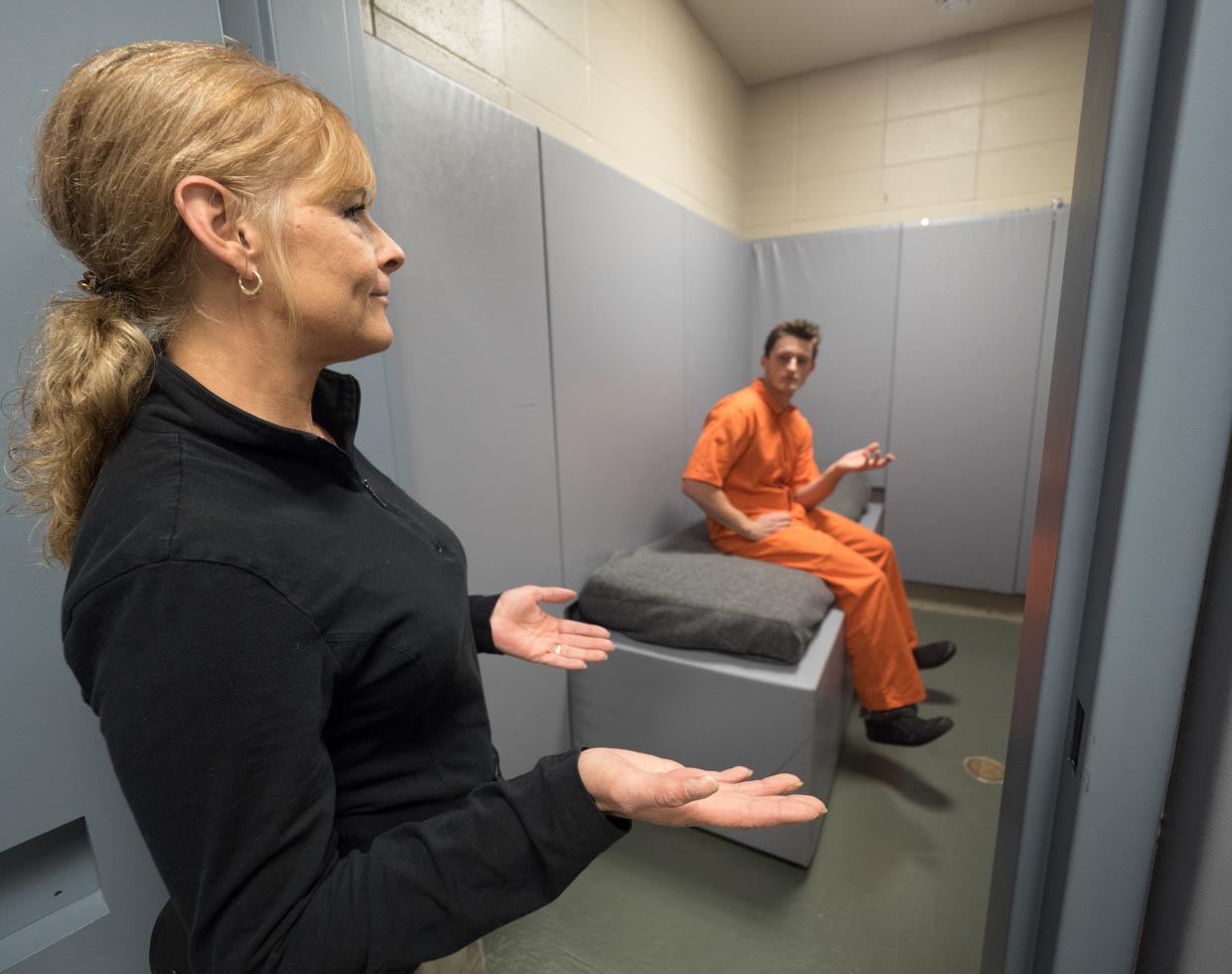
Correctional officers play a critical role in maintaining safety, order, and rehabilitation within correctional facilities. In this program, you’ll develop the skills and knowledge needed to manage inmate behavior, respond effectively to crises, and support individuals as they work toward positive change. You’ll gain the confidence to serve your community with professionalism and integrity.

At Mid-State, this one-semester academy meets the Wisconsin Department of Justice (DOJ) certification requirements to become a correctional officer. With hands-on training and expert instruction, you’ll be prepared for immediate employment and positioned for future advancement in public safety careers.
Program Facts

Total Credits
6 Credits
Degree Type
Technical Degree
Program Length
Less Than One Year
Estimated Program Cost
$1,670.12
Financial Aid Eligibility
Not Eligible

Program Outcomes

Graduates leave ready to succeed in their careers. Each year, data from Mid-State's Graduate Survey and statewide reports show consistently high satisfaction and strong starting salaries. Here's a snapshot of what success looks like after graduation.

Career Opportunities

Correctional Officer
Juvenile Detention Officer
$82,380
Median Annual Salary
Recent program grads in Wisconsin earned a starting salary of $82,380. Source: Lightcast Data Set
263
Average Monthly Hires
263 of recent Wisconsin program grads landed jobs within six months of graduation. Source: Lightcast Data Set

Program Details

Take a closer look at what the program offers and what to expect.

Following is the list of courses within the program. Your course plan may vary, and you'll get a recommended sequence once you're enrolled. See the program information guide below for full course details or talk with your advisor.

Program Information Guide (PDF)

Full-Time Curriculum (6 Total Credits)

Credit for Prior Learning (CPL) options are available for some courses.

Term 1: (6 Credits)

Course Number

Course Name

CPL

Credits

10504184

Basic Jail Academy 1

No

3

10504185

Basic Jail Academy 2

No

3

Meet our full-time instructors.

Candace Schmidt, AAS
Candace earned an AAS in corrections from Mid-State and is currently working to obtain her bachelor’s degree. Since earning her AAS, she has worked as a correctional officer for six years, with three of those years as a field training officer for new staff.

“In my journey I've discovered a determined passion for the realm of corrections and community advocacy. Through my experiences and knowledge, I am eager to share not just insight, but a sincere dedication to fostering positive change.”

Employers will expect graduates of this program to be able to:

  • Explain the components of and interrelationships in the criminal justice system.
  • Apply appropriate communication skills to public safety incidents.
  • Establish situational safety.
  • Engage effectively with vulnerable and disenfranchised individuals/populations.
  • Adhere to accepted culturally competent, ethical, and behavioral conduct.

Alongside your career training, you'll develop key workplace strengths. Explore the additional skills you'll build.

Employability Skills (PDF)

To succeed in this program, you'll need to meet certain technical standards. These are the key skills and abilities needed for the program and future career success—with or without reasonable accommodations. Be sure to review them carefully before you apply.

Technical Standards (PDF)

This program prepares you for licensure to work in Wisconsin. If you plan to work in another state, be sure to check that state's licensure requirements—Mid-State's program may not meet them all. If you've applied to the program and have any questions about this information, talk to your advisor.

Licensure Information (PDF)

Explore the resources and next steps below. Your academic advisor will help you know what to complete and when.

Who Can Apply and How
There is a separate process for admission to the Jail Officer Academy. For more information on how to apply, please contact Kurt Heuer (715-422-5606)

US Citizenship
US Citizenship is required to sit for this licensure exam.

Career Pathways

Career pathways help you build your education step by step. Each stage offers one or more credentials that are recognized by employers and lead to real jobs—and you can keep building toward your career goals as you go.

Prior Learning

Certificate

Technical Degree

Associate Degree

Bachelor's Degree

Get credit for what you already know. You may be able to earn college credit for prior learning through skills you’ve gained through high school classes, previous college work, self-study, military training, jobs, or volunteer experience.

  1. Credit for Prior Learning
  2. High School Dual Credit
  3. Mid-State Fast-Track – Open to high school students (age requirements apply)

Explore Other Options

Other Programs

Explore more Mid-State programs and find your path to success.

Workforce Training

Not ready for a full degree? Learn job-ready skills with our workforce training options.

Continuing Education

Add a new skill, explore a hobby, or take the next step in your career with our lifelong learning options.
Advanced Emergency Medical Technician

Technical Degree

Why Advanced Emergency Medical Technician?

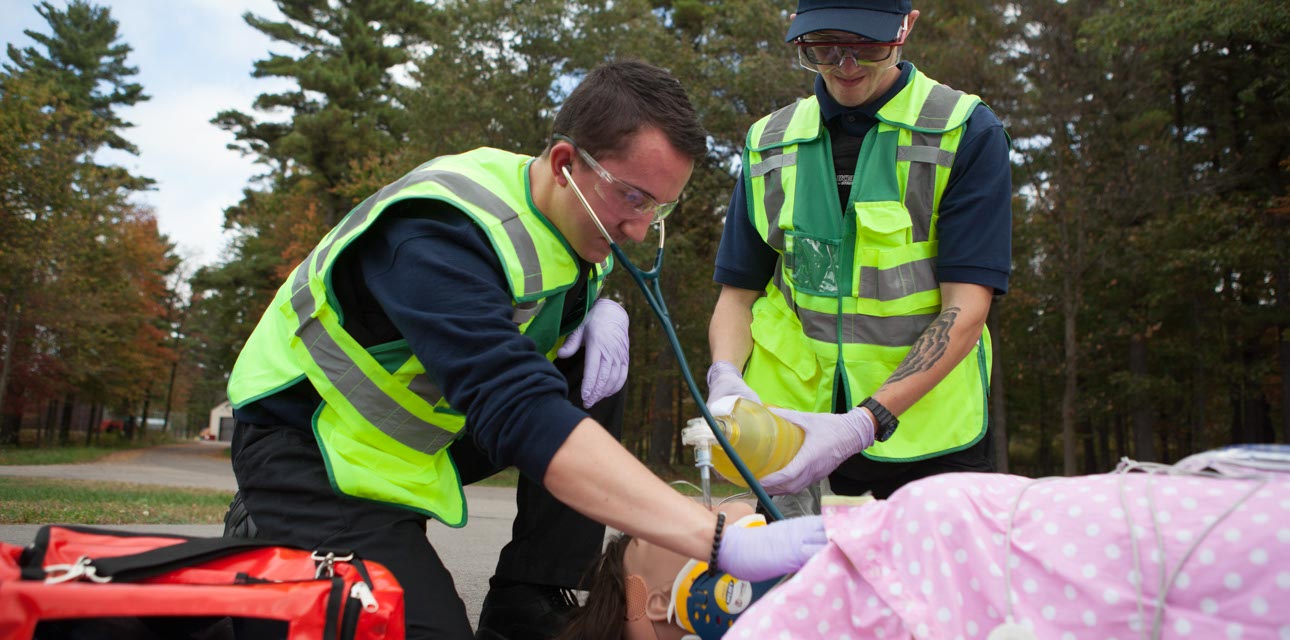
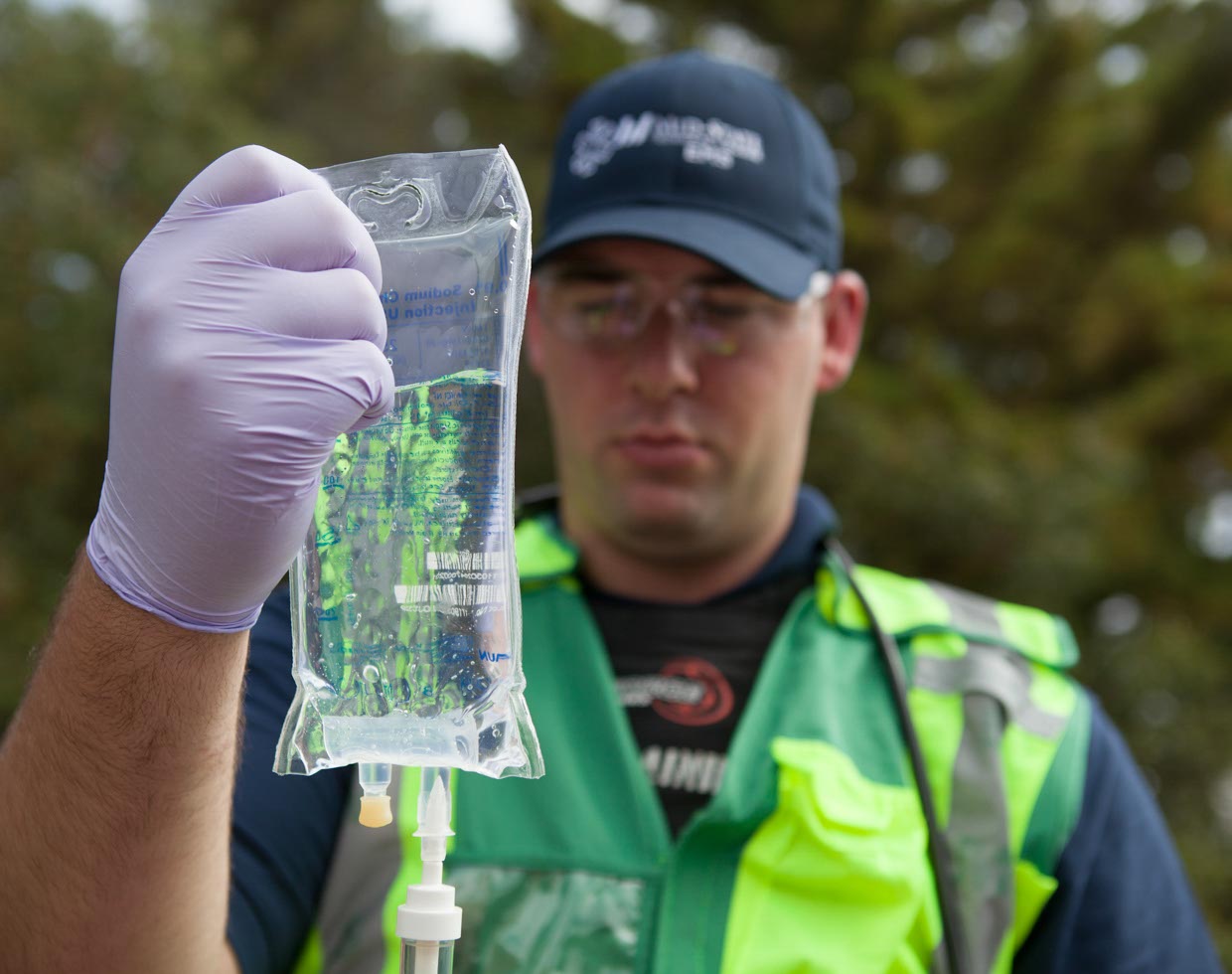
Advanced Emergency Medical Technicians provide life-saving care in critical moments, bridging the gap between basic and advanced emergency response. In this program, you will learn to assess patients, perform advanced procedures, and deliver the rapid prehospital care that makes a vital difference in medical emergencies.

At Mid-State, you will train through hands-on skill labs and clinical experiences that prepare you for real-world challenges. Students benefit from hands-on simulation experiences in the Healthcare Simulation Center that enhance and support their clinical training. The Advanced Emergency Medical Technician program prepares students to obtain the required licensure to be employed or practice in the state of Wisconsin.

Program Facts

Total Credits
5 Credits
Degree Type
Technical Degree
Program Length
Less Than One Year
Estimated Program Cost
$1,399.85
Financial Aid Eligibility
Not Eligible

Program Outcomes

Graduates leave ready to succeed in their careers. Each year, data from Mid-State's Graduate Survey and statewide reports show consistently high satisfaction and strong starting salaries. Here's a snapshot of what success looks like after graduation.

Career Opportunities

Advanced Emergency Medical Technician
Emergency Department Technician
Urgent Care Technician
$43,346
Median Annual Salary
Recent program grads in Wisconsin earned a starting salary of $43,346. Source: Lightcast Data Set
196
Average Monthly Hires
196 of recent Wisconsin program grads landed jobs within six months of graduation. Source: Lightcast Data Set
100%
Mid-State Graduate Satisfaction Rate
Students leave proud, prepared, and confident in what comes next. Source: Mid-State Graduate Survey Results

Program Details

Take a closer look at what the program offers and what to expect.

Following is the list of courses within the program. Your course plan may vary, and you'll get a recommended sequence once you're enrolled. See the program information guide below for full course details or talk with your advisor.

Program Information Guide (PDF)

Curriculum (5 Total Credits)

Credit for Prior Learning (CPL) options are available for some courses.

Term 1: (5 Credits)

Course Number

Course Name

CPL

Credits

30531103

Advanced EMT

No

4

30531104

Advanced EMT Clinical

No

1

Meet our full-time instructors.

Alyssa Larsen, AAS
Alyssa holds paramedic technician and fire protection technician associate degrees from Mid-State Technical College. She is also pursuing a BAS in leadership and organizational studies from UW–Oshkosh. She is a registered paramedic with the National Registry of Emergency Medical Technicians and a Wisconsin state licensed paramedic with critical care endorsement. Prior to teaching for Mid-State, Alyssa worked as a part-time EMT and full-time paramedic. She continues to work part-time as a paramedic.

“Being an EMS instructor is very gratifying. It means so much to share my passion and to watch students acquire new skills and knowledge as they become professionals who will go out and help within our communities. It is one career that keeps giving back.”

Employers will expect graduates of this program to be able to:

  • Meet state competencies for AEMT certification.
  • Demonstrate professional behavior.
  • Communicate effectively with others.
  • Demonstrate AEMT skills associated with established standards and procedures for a variety of patient encounters.
  • Integrate pathophysiological principles and assessment findings to provide appropriate patient care.
  • Prepare for incident response and EMS operations.

Alongside your career training, you'll develop key workplace strengths. Explore the additional skills you'll build.

Employability Skills (PDF)

To succeed in this program, you'll need to meet certain technical standards. These are the key skills and abilities needed for the program and future career success—with or without reasonable accommodations. Be sure to review them carefully before you apply.

Technical Standards (PDF)

This program prepares you for licensure to work in Wisconsin. If you plan to work in another state, be sure to check that state's licensure requirements—Mid-State's program may not meet them all. If you've applied to the program and have any questions about this information, talk to your advisor.

Licensure Information (PDF)

Career Pathways

Career pathways help you build your education step by step. Each stage offers one or more credentials that are recognized by employers and lead to real jobs—and you can keep building toward your career goals as you go.

Prior Learning

Certificate

Technical Degree

Associate Degree

Bachelor's Degree

Get credit for what you already know. You may be able to earn college credit for prior learning through skills you’ve gained through high school classes, previous college work, self-study, military training, jobs, or volunteer experience.

  1. Credit for Prior Learning
  2. High School Dual Credit
  3. Mid-State Fast-Track – Open to high school students

Explore Other Options

Other Programs

Explore more Mid-State programs and find your path to success.

Workforce Training

Not ready for a full degree? Learn job-ready skills with our workforce training options.

Continuing Education

Add a new skill, explore a hobby, or take the next step in your career with our lifelong learning options.