Community Health Worker
Why Community Health Worker?
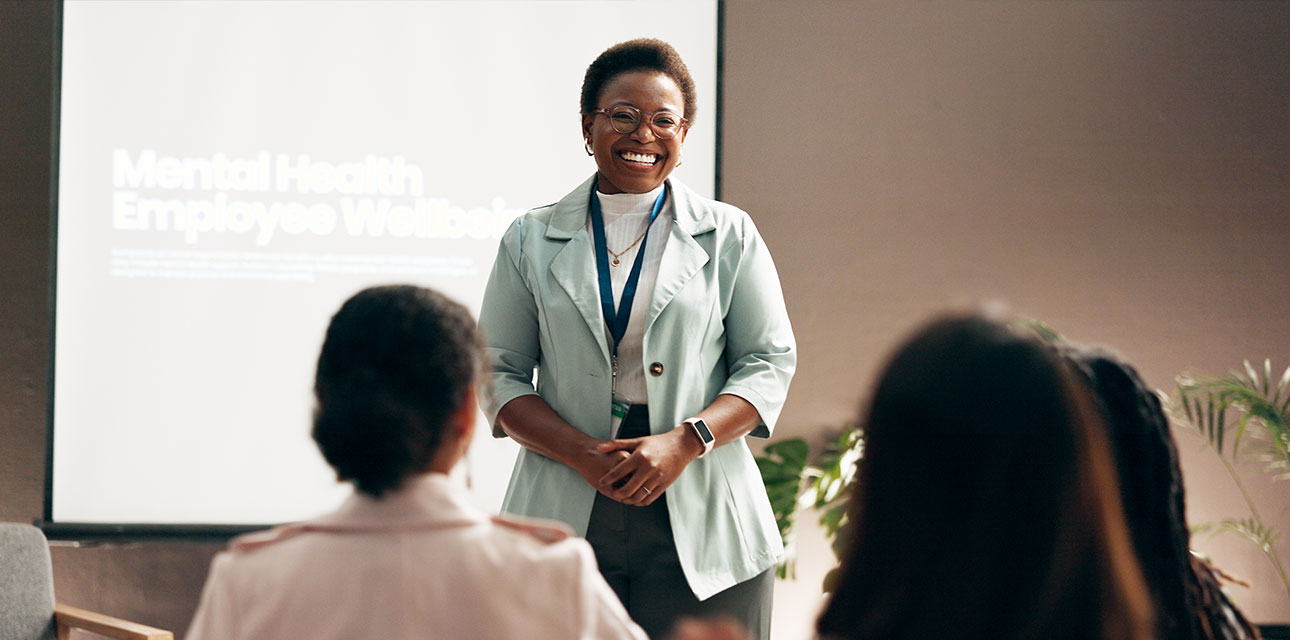
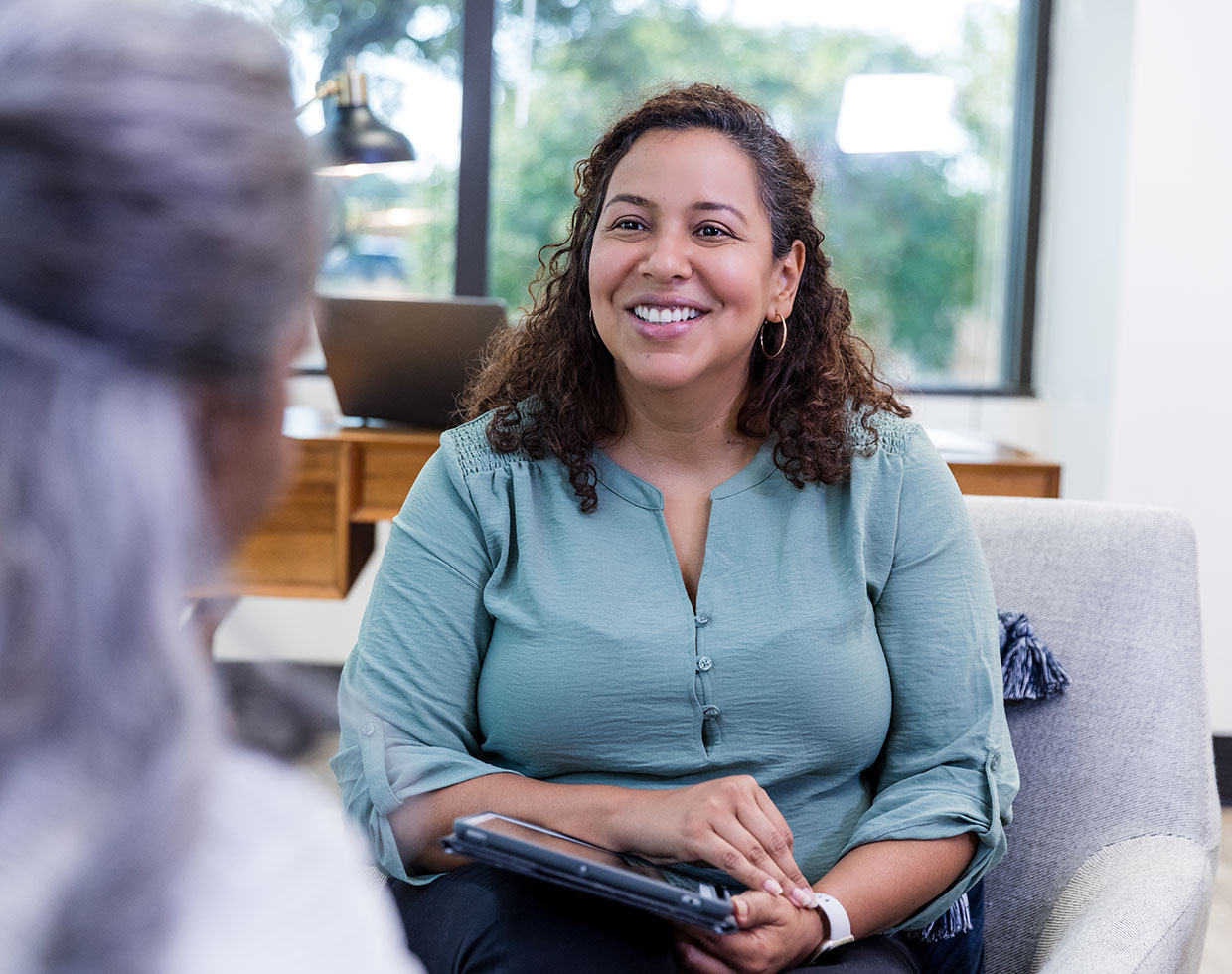
Make a difference where it matters most. Community health workers connect individuals and families with the health care, social services, and community resources they need to improve their health and well-being. Through outreach, education, advocacy, and support, you’ll learn how to help people overcome barriers to care and take steps toward healthier lives.
At Mid-State, you’ll build practical skills in outreach, service coordination, resource navigation, advocacy, and culturally responsive health education. Through case studies, simulations, and community-based scenarios, you’ll strengthen your communication, problem-solving, and relationship-building skills while preparing to support individuals, families, and communities.
Program Facts
Program Outcomes
Graduates leave ready to succeed in their careers. Each year, data from Mid-State's Graduate Survey and statewide reports show consistently high satisfaction and strong starting salaries. Here's a snapshot of what success looks like after graduation.
Career Opportunities
Program Details
Take a closer look at what the program offers and what to expect.
Your course plan may vary, and you'll get a recommended sequence once you're enrolled. Full course details coming soon. For more information, talk with your advisor.
Meet our full-time instructors.
Carrie Jarosinski, AAS, BSN, MSN, DNP
Dr. Jarosinski earned her doctor of nursing practice degree in systems leadership from Walden University. A nurse by trade, she has worked with older adults in long-term care and the maternal child health population in public health. To keep her skills current she participates in local and national population health-focused boards and coalitions and maintains her wellness practitioner certification through the Wellness Alliance.
“I love to see students maximizing their potential in everyday class interactions and applying their new-found knowledge to further the health of their own community.”
Employers will expect graduates of this program to be able to:
- Conduct community outreach.
- Connect clients to services.
- Support program evaluation and data collection efforts.
- Coach individuals and groups on sustainable behavior change.
Alongside your career training, you'll develop key workplace strengths. Explore the additional skills you'll build.
To succeed in this program, you'll need to meet certain technical standards. These are the key skills and abilities needed for the program and future career success—with or without reasonable accommodations. Be sure to review them carefully before you apply.



Explore Other Options
Other Programs
Explore more Mid-State programs and find your path to success.

Workforce Training
Not ready for a full degree? Learn job-ready skills with our workforce training options.

Continuing Education
Add a new skill, explore a hobby, or take the next step in your career with our lifelong learning options.