Agribusiness Science & Technology

Why Agribusiness Science & Technology?
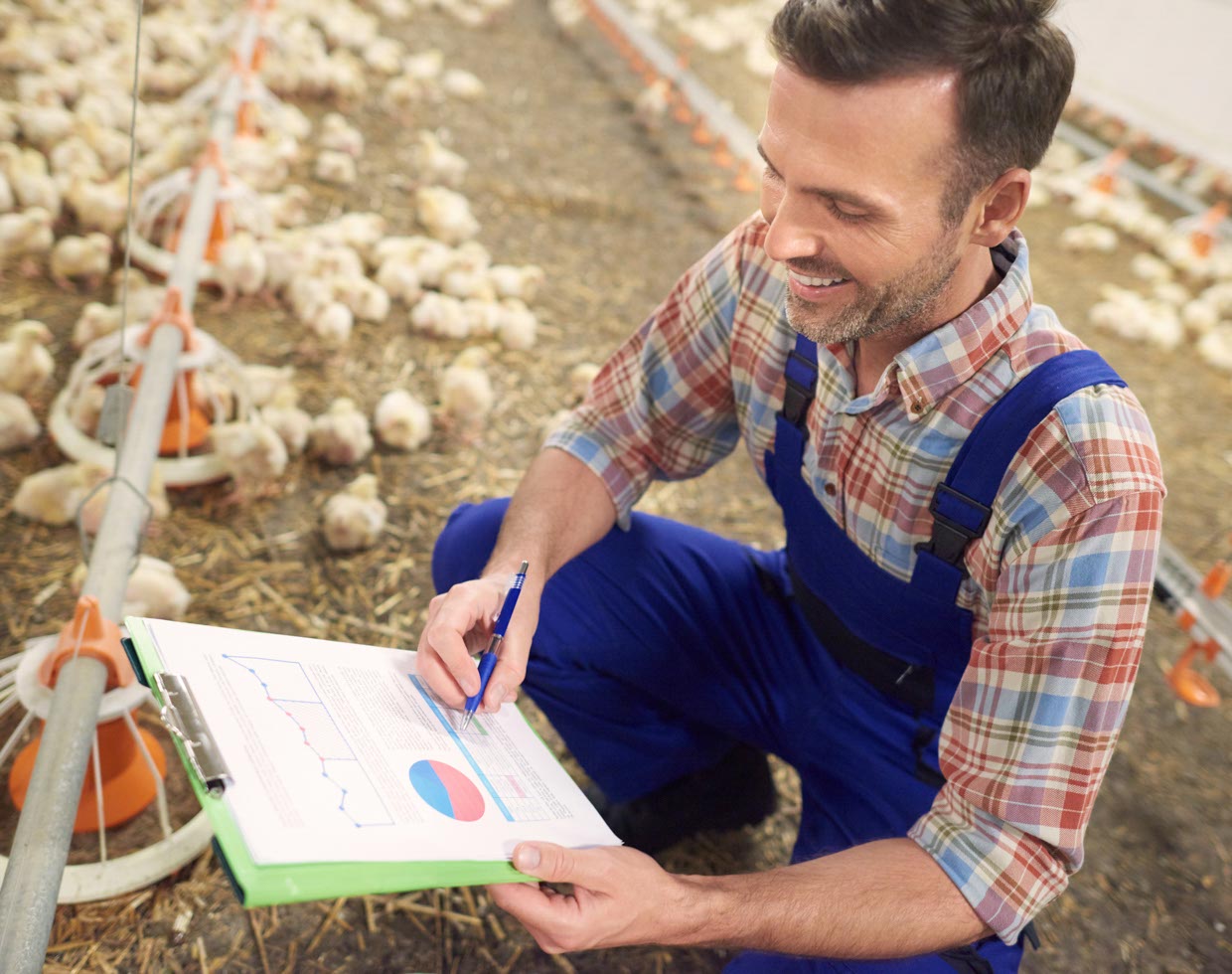
Agriculture is one of Wisconsin’s most vital and fast-changing industries, powered by innovation and rooted in community. In this program, you will learn to manage the business, science, and technology of modern agriculture. You will gain the knowledge to improve crop production, livestock management, and farm profitability while strengthening sustainability across the industry.
At Mid-State, you will learn from experienced agriculture professionals and apply your knowledge through hands-on fieldwork and real-world projects. You’ll graduate ready to own or manage a farm, work in agribusiness, or transfer your credits toward a bachelor’s degree.
Program Facts
Program Outcomes
Graduates leave ready to succeed in their careers. Each year, data from Mid-State's Graduate Survey and statewide reports show consistently high satisfaction and strong starting salaries. Here's a snapshot of what success looks like after graduation.
Career Opportunities
Program Details
Take a closer look at what the program offers and what to expect.
Following is the list of courses within the program. Your course plan may vary, and you'll get a recommended sequence once you're enrolled. See the program information guide below for full course details or talk with your advisor.
Program Information Guide (PDF)
Full-Time Curriculum (61-62 Total Credits)
Credit for Prior Learning (CPL) options are available for some courses.
Term 1: (15 Credits)
Course Number | Course Name | CPL | Credits |
|---|---|---|---|
10093101 | Yes | 2 | |
10093102 | No | 3 | |
10091105 | No | 3 | |
10103106 | Yes | 3 | |
10093104 | No | 3 | |
10890102 | Yes | 1 |
Term 2: (14-15)
Course Number | Course Name | CPL | Credits |
|---|---|---|---|
10801195 or 10801136 | Yes | 3 | |
10804107 or 10804118 | College Mathematics or Intermediate Algebra with Applications | Yes | 3 or 4 |
10006102 | No | 2 | |
10090101 | No | 3 | |
10006103 | No | 3 |
Term 3: (16 Credits)
Course Number | Course Name | CPL | Credits |
|---|---|---|---|
10801198 or 10801196 | Yes | 3 | |
10806114 | No | 4 | |
10091103 | No | 3 | |
10091102 | No | 3 | |
10080105 | No | 3 |
Term 4: (16 Credits)
Course Number | Course Name | CPL | Credits |
|---|---|---|---|
10102178 | Personal Finance | Yes | 3 |
10809198 or 10809188 | Yes | 3 | |
10809166 | Yes | 3 | |
10006107 | Agriculture Commodities & Marketing | No | 3 |
10091104 | Introduction to Animal Genetics | No | 2 |
10006007 or 10006110 | Agriculture Internship or Agriculture Capstone | No | 2 |
Meet our full-time instructors.
Teri Raatz, BS, MS
Teri holds a BS in agricultural education from UW-River Falls and a master’s in agriculture/ag sustainability from Murray State University. Her love agriculture started in childhood—she grew up on a diversified livestock farm and showed/owned registered dairy cattle. Prior to her 15 years of teaching at Mid-State, Teri taught middle school and high school agriculture for six years. She has also worked at Wisconsin's first ethanol plant in Stanley, Wisconsin, where she was involved in grading and purchasing corn. Teri is actively involved in the Colby FFA Alumni and Supporters, volunteers with the Clark County 4-H, and serves as advisor for the Clark County Jr Holstein Association, and her family owns a small herd of registered dairy cattle that her kids show across the state. She also serves as a member of the City of Colby Board of Appeals.
“I am passionate about all areas of agriculture and bring vast experience in agriculture into the classroom. I enjoy teaching students about the many opportunities available today in the world of agriculture.”
Employers will expect graduates of this program to be able to:
- Create a crop management plan.
- Develop an agribusiness management plan.
- Apply economic and marketing strategies to agribusiness industry.
- Apply relevant technologies.
- Create a livestock management plan.
- Investigate opportunities in agribusiness.
- Interact as a professional in agribusiness.
Alongside your career training, you'll develop key workplace strengths. Explore the additional skills you'll build.
To succeed in this program, you'll need to meet certain technical standards. These are the key skills and abilities needed for the program and future career success—with or without reasonable accommodations. Be sure to review them carefully before you apply.





Explore Other Options
Other Programs
Explore more Mid-State programs and find your path to success.

Workforce Training
Not ready for a full degree? Learn job-ready skills with our workforce training options.

Continuing Education
Add a new skill, explore a hobby, or take the next step in your career with our lifelong learning options.